






Choosing from the different Types of Residential Lifts can help homeowners find an elevator that suits their property’s layout, accessibility needs and available space. Residential lifts are increasingly considered for villas, multi-storey homes and private residences where convenient movement between floors is important. An experienced Elevator Company in Dubai can help homeowners evaluate suitable lift options based on their property’s requirements. However, not every lift uses the same technology or requires the same installation space.
Some systems use hydraulic mechanisms, while others rely on traction drives or compact designs that reduce the need for a separate machine room. Each option has different installation requirements, operating characteristics and maintenance considerations. In the UAE, building design, site conditions, local requirements and long-term service availability should also influence the decision. Consulting professionals who provide elevator installation services can help homeowners assess suitable lift options based on their property’s requirements.
This guide explains the main residential elevator types, how they work, their benefits and the factors to assess before choosing a lift for your home.
What Are Residential Lifts?
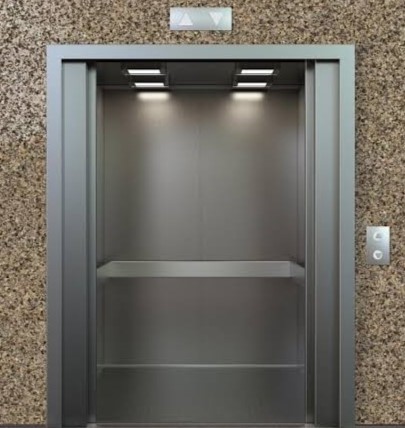
Residential lifts are vertical transportation systems designed to move people between floors in private homes and villas. They can improve everyday convenience, support accessibility and make multi-storey properties easier to use. Residential Elevators for Buildings can be selected for different property layouts, depending on available space, expected usage and the needs of the occupants. Regular elevator maintenance services also help maintain reliable operation, support passenger safety and reduce the risk of unexpected breakdowns.
Unlike many commercial elevators, home lifts are selected around residential layouts, available space, expected usage and the homeowner’s preferences. Depending on the building, installation may involve a dedicated shaft, structural modifications, electrical provisions and suitable access at each landing.
The right system should be chosen according to the property design and the needs of its occupants rather than appearance alone.
What Are the Main Types of Residential Lifts?
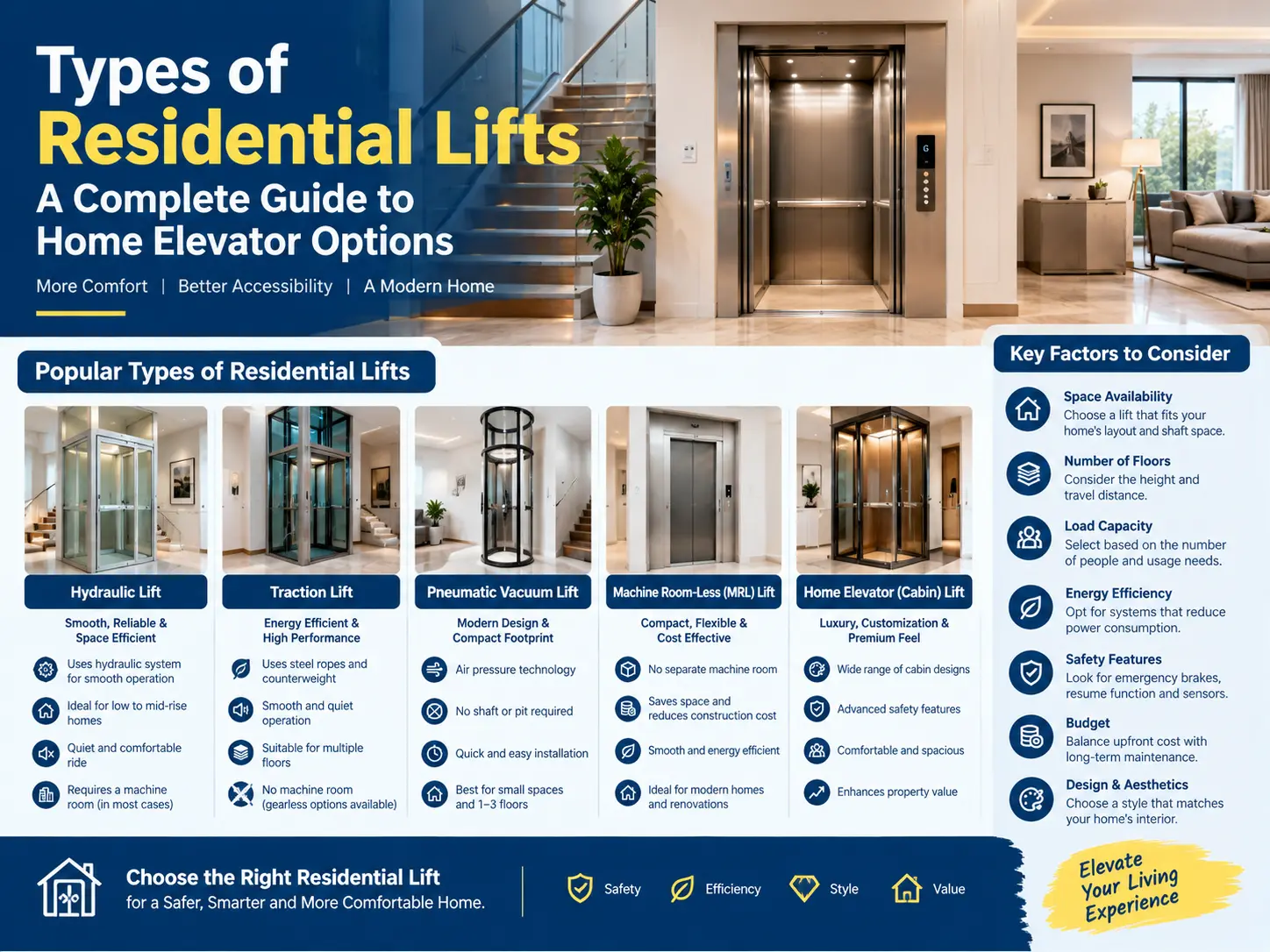
The main types of residential lifts include hydraulic lifts, traction lifts, and machine-room-less systems. Other options, such as vacuum or platform lifts, may suit particular buildings and accessibility requirements, but their suitability depends on the intended use and applicable regulations. When choosing among elevator companies in UAE, homeowners should consider the building layout, safety standards, available space, and long-term maintenance requirements.
1. Hydraulic Home Lift
A hydraulic home lift uses a hydraulic system to move the lift platform or car. In a conventional arrangement, a pump moves hydraulic fluid to operate a cylinder that raises the lift, while controlled fluid release allows it to descend. Leading Top Elevator Companies in UAE can help homeowners understand the suitability of hydraulic lift systems based on their building layout and installation requirements.
Key considerations:
- May suit selected low-rise residential applications.
- Requires space for the relevant hydraulic equipment.
- Installation depends on the lift design and building layout.
- Maintenance includes checking the hydraulic system, seals and associated equipment.
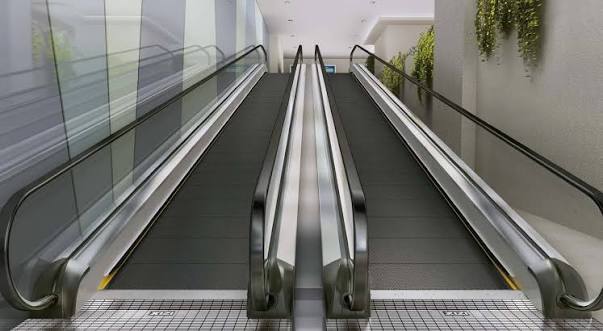
A hydraulic home lift can be considered where its configuration suits the available space and operating requirements. Equipment specifications should be reviewed before comparing it with other technologies, while Travelator Services may be considered separately for properties requiring convenient horizontal passenger movement.
2. Traction Home Lift
A traction home lift uses a motor-driven system with ropes or belts and a counterweight, depending on the design. The motor moves the lift car between floors through the traction mechanism.
Traction systems may offer efficient operation and are available in different configurations. Their suitability depends on factors such as travel height, rated capacity, drive arrangement and available installation space.
Before selecting a traction lift, confirm the shaft dimensions, overhead clearance, pit requirements and access needed for maintenance.
3. Machine-Room-Less (MRL) Home Lift
A machine-room-less lift places the drive equipment within designated spaces associated with the lift system rather than requiring a separate machine room. The precise arrangement varies by manufacturer and model.
MRL systems can be useful when a separate machine room is difficult to accommodate. However, they still require the clearances, structural provisions and maintenance access specified by the manufacturer.
For homeowners comparing Home Lift Types, MRL designs are worth evaluating alongside conventional traction and hydraulic systems.
4. Vacuum and Platform Lifts
Vacuum lifts use air-pressure differences to move a lift cabin within a dedicated tube. Platform lifts are designed primarily to support accessibility, often for shorter vertical travel, depending on the model and approved application. Both options can be considered when selecting Residential Elevators for Buildings, depending on the building layout, accessibility needs, and applicable safety regulations.
These options are not direct substitutes for every conventional residential elevator. Check the intended passenger use, travel height, capacity, installation conditions and local approval requirements before choosing either system.
How Do You Choose the Right Home Elevator?
The best option depends on the building’s layout, the occupants’ needs and the equipment’s technical requirements. When comparing Home Elevator Options, assess the following factors before requesting quotations, including the availability of Elevator AMC Service in Dubai to support ongoing maintenance and reliable lift operation.
- Available space: Check shaft dimensions, pit depth, overhead clearance and space for drive equipment.
- Number of floors: Confirm the required travel height and number of stops.
- Passenger capacity: Select a rated capacity appropriate for the intended users and use.
- Accessibility: Consider door width, entry arrangement and ease of use for people with limited mobility.
- Power and operating requirements: Check the equipment’s electrical requirements and expected usage.
- Maintenance access: Ensure technicians can safely access the equipment for inspections and servicing.
For Villa Lift Options, these factors should be assessed alongside the home’s architectural design. An early site survey by an experienced Elevator Company in Fujairah can identify space limitations before construction or renovation work begins and help homeowners estimate lift installation costs based on the project’s specific requirements.
What Affects Residential Lift Cost in UAE?
The Residential Lift Cost UAE varies with the selected technology, number of floors, rated capacity, finishes and installation complexity. The Home Lift Installation UAE Cost may also depend on civil work, electrical provisions, transportation and commissioning requirements, all of which can affect the overall project budget.
Request an itemised quotation that identifies the equipment, installation scope, exclusions, warranty and maintenance arrangements. Comparing quotations based on the same specifications provides a more meaningful assessment than comparing headline prices alone.
Residential Lift Installation and Maintenance
Home Lift Installation UAE projects require coordination between the lift supplier, building contractor and relevant professionals. The process generally includes a site assessment, design approval, preparation of the installation area, equipment installation, testing and handover.
A planned Residential Elevator Installation should account for applicable local requirements and the manufacturer’s specifications. After commissioning, regular maintenance and reliable elevator repair services help identify wear, check safety devices and address developing faults. Servicing frequency and procedures should follow the manufacturer’s instructions and applicable regulations.
Conclusion
Understanding the Types of Residential Lifts helps homeowners compare available technologies and identify options suited to their property. Hydraulic, traction and MRL systems each have different installation requirements, while vacuum and platform lifts may suit specific applications. Before making a decision, assess the building layout, passenger needs, safety requirements, installation budget and long-term maintenance arrangements. When comparing elevator companies in Dubai, homeowners should also evaluate technical expertise, installation quality and ongoing maintenance support. For residential projects in the UAE, Karsar Elevator can be contacted to discuss lift requirements and explore suitable installation options, subject to a site assessment and technical feasibility.
Frequently Asked Questions
1. Which residential lift is suitable for a villa?
The right lift depends on the villa’s layout, floor count, available shaft space, passenger needs and budget. Hydraulic, traction and MRL systems may all be worth considering, depending on the specific project. A site assessment can help determine which configurations are technically suitable.
2. Can a residential lift be installed in an existing house?
Yes, some homes can accommodate a lift through a suitable retrofit. Feasibility depends on structural conditions, available space, access between floors and the modifications required. A qualified professional should assess the property before equipment is selected.
3. Do residential lifts require a machine room?
Not all residential lifts need a separate machine room. Some MRL systems integrate the drive equipment into designated areas of the lift installation. However, equipment still requires appropriate clearances and safe maintenance access.
4. How much space is needed for a home lift?
Space requirements vary by lift model, cabin size, capacity and installation design. Shaft dimensions, pit depth, overhead clearance and equipment access must be confirmed using the manufacturer’s drawings before construction begins.
5. How often should a residential lift be maintained?
Maintenance frequency depends on the equipment, manufacturer recommendations, usage and applicable requirements. Regular servicing should include relevant mechanical and electrical checks, safety-device inspections and attention to reported faults.
6. Which residential lift is best for a multi-storey home?
There is no single best option for every home. Compare the available lift technologies based on travel height, space, accessibility, operating requirements, maintenance access and total installation cost before making a decision.