







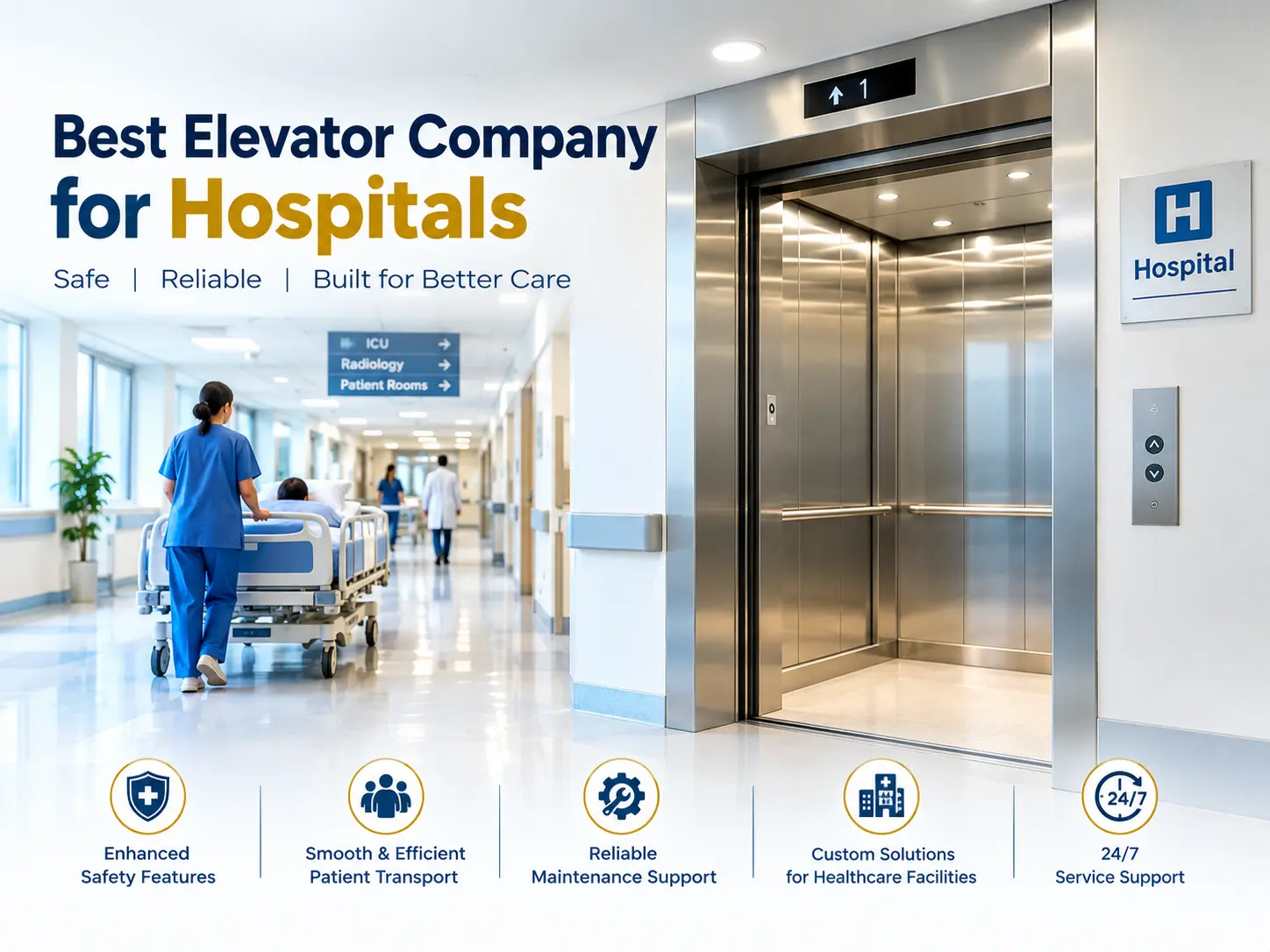

Hospitals need reliable elevators to transport patients, medical staff, visitors, and equipment between floors. Choosing the Best Elevator Company for Hospitals involves more than comparing prices. Healthcare facilities require suitable equipment, dependable operation, accessibility, and regular maintenance to support their daily activities.
A properly planned hospital elevator system helps staff move patients between emergency departments, operating theatres, wards, and diagnostic rooms. It can also improve visitor movement and reduce unnecessary delays within the building.
For healthcare projects in the UAE, selecting an experienced service provider starts with understanding the hospital’s layout, patient transportation needs, and technical requirements. Karsar Elevators helps customers explore elevator and escalator-related solutions, including an appropriate Elevator Installation Service, according to their project requirements.
This guide explains the important features of hospital elevators, factors to consider when selecting a provider, and why installation planning and maintenance deserve careful attention.
Why Do Hospitals Need Specialised Elevator Systems?
Hospital elevators support the movement of people, beds, wheelchairs, medical equipment, and supplies throughout healthcare facilities. Unlike elevators in many ordinary buildings, hospital systems may need to accommodate stretchers, larger loads, frequent journeys, and time-sensitive patient transfers.
Choosing the Best Elevator Company for Hospitals can help healthcare facilities identify suitable elevator solutions based on their operational needs, building layout, and patient transportation requirements.
Key considerations include:
- Patient transportation: Adequate space for stretchers, beds, and accompanying medical staff.
- Accessibility: Convenient access for wheelchair users, elderly visitors, and people with limited mobility.
- Operational reliability: Equipment designed for the building’s expected traffic and usage.
- Efficient movement: Appropriate elevator capacity and positioning to support hospital workflows.
- Hygiene and usability: Interior finishes and controls suited to the healthcare environment.
The correct specifications depend on the hospital’s size, layout, patient requirements, and operational priorities.
Types of Elevators Used in Hospitals
Different healthcare facilities require different elevator configurations. Selecting the appropriate system begins with identifying what the elevator must transport and where it will operate.
1. Hospital Bed Elevators
Hospital bed elevators are designed to accommodate patient beds or stretchers, subject to the selected model’s dimensions and capacity. Their cabin size, door opening, and entrance arrangement should allow safe movement without unnecessary difficulty.
These elevators are particularly relevant to hospitals where patients frequently travel between emergency departments, wards, operating rooms, and diagnostic facilities.
2. Passenger Elevators
Passenger elevators serve doctors, nurses, hospital employees, patients who can travel independently, and visitors. Separating general passenger movement from bed transportation may be appropriate in larger healthcare facilities, depending on traffic and building design.
3. Service Elevators
Service elevators can support the movement of supplies, equipment, and other operational materials. Their capacity and interior design should match the intended use and the hospital’s workflow.
Choosing appropriate Medical Elevator Systems helps healthcare planners coordinate different transportation needs within the same building.
How to Choose the Best Elevator Company for Hospitals
The right provider should understand the project’s technical requirements and explain how the proposed equipment will meet them. Before making a decision, hospital administrators, developers, and contractors should evaluate the following factors.
1. Technical assessment: Check whether the provider can review the building layout, shaft dimensions, traffic requirements, and intended elevator use.
2. Suitable equipment: Confirm cabin dimensions, rated load, door width, and compatibility with hospital beds or stretchers where required.
3. Safety and compliance: Ask about applicable UAE requirements, relevant technical standards, inspections, and commissioning procedures.
4. Installation planning: Review the proposed installation scope, construction coordination, electrical requirements, and project schedule.
5. After-sales support: Understand service availability, inspection arrangements, fault reporting procedures, and spare-parts requirements.
When comparing the Best Elevator Company for Hospitals, request clear technical specifications and written quotations. A lower initial price may not represent the best overall value if the equipment does not meet the hospital’s operational needs.
Hospital Elevator Installation and Safety Considerations
Effective Hospital Elevator Installation begins during the building design stage. Architects, structural engineers, electrical contractors, and elevator specialists should coordinate their work before construction reaches the installation phase.
Important planning considerations include shaft dimensions, machine and equipment space where applicable, power supply, cabin capacity, door clearances, and access for future maintenance.
Hospitals should also consider emergency operation requirements, communication systems, and accessibility features appropriate to the selected equipment and applicable regulations.
Before an elevator enters service, the required testing, inspections, and commissioning checks should be completed by qualified professionals. The project team should retain relevant technical documentation and operating instructions.
Early planning can reduce costly modifications and help ensure that the selected system suits the healthcare facility.
Why Is Hospital Lift Maintenance Important?
Regular Hospital Lift Maintenance Services help identify wear, unusual noise, door problems, and other developing faults before they cause major interruptions. Maintenance is particularly important in healthcare facilities because elevators may be used throughout the day and night.
A suitable maintenance programme may include:
- Inspection of doors, controls, and safety devices.
- Checking operating performance and unusual vibrations.
- Reviewing relevant electrical and mechanical components.
- Identifying worn parts and arranging appropriate replacements.
- Maintaining service records and reporting recurring faults.
Professional Lift and Escalator Maintenance Services can help building managers plan regular inspections, address equipment issues, and maintain reliable operation. The maintenance schedule should follow the equipment manufacturer’s recommendations, applicable requirements, and actual operating conditions.
Hospitals should also establish a clear process for reporting faults and arranging repairs. Reliable service arrangements help facility managers plan maintenance while supporting the continued operation of essential building systems.
Why Consider Karsar Elevators for Hospital Projects?
Karsar Elevators provides elevator and escalator-related services for customers in the UAE. When evaluating a healthcare project, the first step is to discuss the building requirements, intended elevator use, and expected operational demands.
Customers considering an Elevator Company in UAE should compare technical suitability, installation responsibilities, service arrangements, and project documentation before choosing a provider.
Karsar Elevators can be contacted to discuss project requirements and identify appropriate next steps for elevator-related solutions. Hospital developers should confirm the company’s specific project capabilities, relevant experience, and service scope before appointing a contractor.
Conclusion
Choosing the Best Elevator Company for Hospitals requires careful evaluation of patient transportation needs, equipment specifications, accessibility, safety, installation planning, and long-term maintenance.
Hospital bed elevators, passenger elevators, and service elevators each serve different purposes. Selecting the right configuration can support smoother movement throughout the facility and help healthcare teams manage daily operations.
For hospital projects in the UAE, begin with a clear assessment of the building layout and intended use. Compare technical proposals, confirm applicable compliance requirements, and review the maintenance arrangements before making a final decision.
Contact Karsar Elevators to discuss your project requirements and explore suitable elevator and escalator-related solutions.
Contact Karsar Elevators
Phone: +971 55 946 0194
Email: karsarliftsescalators@gmail.com
Website: https://karsarelevators.com/
Frequently Asked Questions
1. What type of elevator is best for a hospital?
The best option depends on the hospital’s needs. Bed elevators accommodate patient beds or stretchers, passenger elevators serve staff and visitors, and service elevators transport supplies and equipment. Capacity, cabin dimensions, accessibility, and expected traffic should guide the selection.
2. What should hospitals check before elevator installation?
Hospitals should assess shaft dimensions, cabin capacity, door width, power requirements, accessibility, safety features, and compatibility with patient beds. Installation planning should also include construction coordination, required inspections, testing, and commissioning.
3. How often should hospital elevators be maintained?
Maintenance frequency depends on the equipment, manufacturer’s recommendations, applicable requirements, and operating conditions. Hospitals should establish a suitable maintenance schedule with a qualified service provider and maintain records of inspections, faults, and repairs.
4. What affects hospital elevator installation costs?
Costs depend on elevator type, rated capacity, travel height, cabin dimensions, design requirements, installation complexity, and building preparation. Additional expenses may include electrical work, structural modifications, testing, and ongoing maintenance. A project-specific quotation provides a more useful estimate than a general price.
5. How can hospitals choose a reliable elevator service provider?
Hospitals should evaluate technical capabilities, relevant project experience, equipment suitability, safety compliance, installation responsibilities, maintenance arrangements, and spare-parts support. Written quotations and clearly defined service responsibilities help decision-makers compare providers more effectively.