


Choosing a reliable lift installation company in Dubai is an important decision for property owners, developers, contractors, and facility managers. A properly planned lift improves accessibility, supports the movement of people and goods, and helps a building operate efficiently. However, selecting the right system requires more than comparing prices. Building layout, passenger capacity, travel height, safety requirements, energy consumption, and future maintenance must all be considered.
From residential buildings and villas to hotels, hospitals, offices, and shopping centres, each property has different vertical transportation requirements. Understanding the available lift options, installation stages, and project costs can help you make an informed decision. Choosing an experienced elevator company in Dubai is equally important for assessing your project requirements and ensuring a suitable installation approach. This guide explains how lift installation works in Dubai and what to evaluate before selecting an installation provider for your project.
What Types of Lifts Are Suitable for Dubai Buildings?
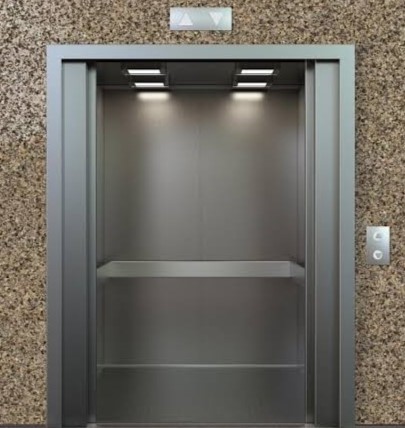
The right lift depends on the building’s purpose, available space, expected traffic, and accessibility requirements. Common options include:
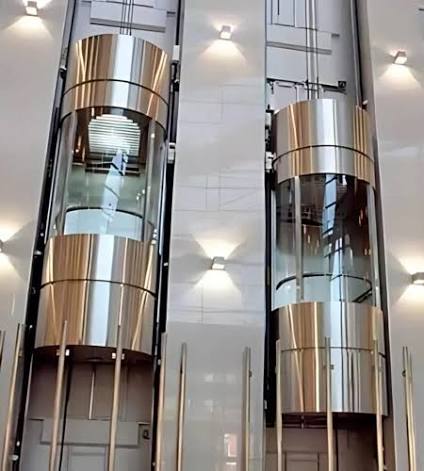
- Passenger lifts: Designed for apartments, offices, hotels, and commercial buildings.
- Home lifts: Suitable for villas and private residences where convenient movement between floors is required.
- Freight lifts: Used in warehouses, factories, and commercial facilities to transport goods.
- Hospital lifts: Designed around the movement of patients, stretchers, medical equipment, and hospital staff.
- Customized lifts: Planned for buildings with specific architectural, capacity, or operational requirements.
Before selecting a system, assess the number of floors, expected passenger demand, shaft dimensions, and intended use. A solution designed for a private villa may not be suitable for a busy commercial tower.
What Factors Affect Lift Installation Cost in Dubai?
Lift installation dubai costs vary according to the equipment, building design, technical specifications, and complexity of the project. There is no single price that applies to every property.
The main cost factors include:
- Lift type and capacity: Passenger, freight, and specialized lifts have different equipment requirements.
- Number of floors: Greater travel height can affect equipment selection, installation work, and project duration.
- Shaft and building preparation: New construction and retrofitting existing buildings may require different structural and civil works.
- Cabin design and finishes: Materials, lighting, doors, and customized interiors can influence the final quotation.
- Electrical and control systems: Drive technology, control panels, and energy-saving features affect specifications.
- Testing and commissioning: Installation must include appropriate checks and handover procedures.
Request an itemized quotation that clearly identifies equipment, installation, civil work, electrical requirements, testing, exclusions, warranty terms, and ongoing elevator service and repair requirements. Comparing quotations on the same technical basis makes it easier to understand the actual value offered.
How Does the Lift Installation Process Work?
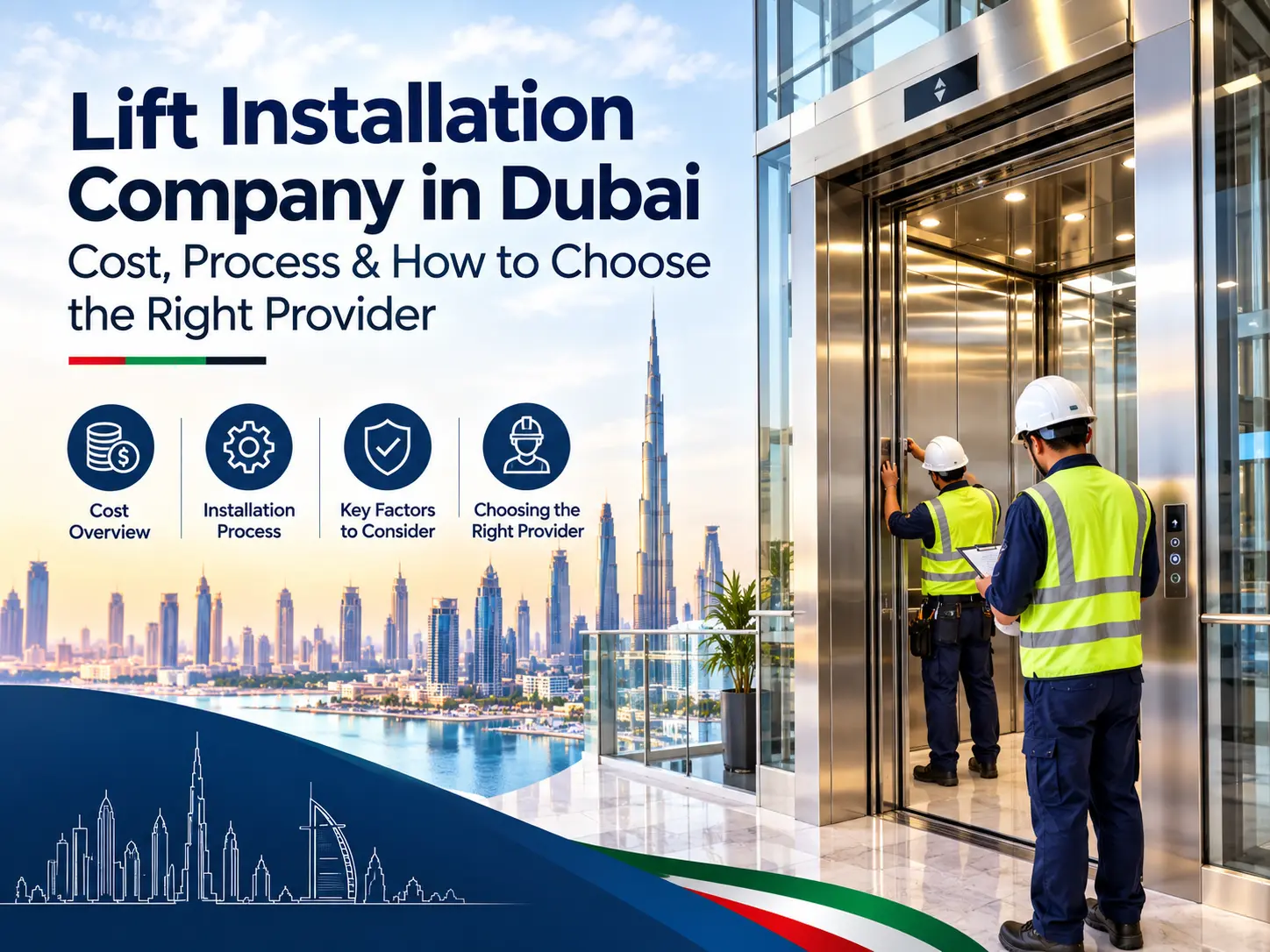
Professional lift installation services in Dubai generally follow a planned sequence, from initial assessment to final commissioning. The exact process depends on the building, lift configuration, and applicable approvals.
1. Site Survey and Technical Assessment
The installation team evaluates the building layout, shaft dimensions, floor levels, available headroom, pit requirements, electrical supply, and access conditions. This assessment helps identify potential installation challenges before work begins.
2. Lift Selection and Project Planning
The suitable lift type, rated capacity, speed, door arrangement, control system, and cabin design are determined according to the building’s requirements. Coordination with architects, consultants, and contractors helps ensure that the proposed equipment fits the project.
3. Equipment Supply and Site Preparation
The required components are arranged, and the site is prepared according to the approved design. Depending on the project, this may involve shaft readiness, pit preparation, electrical provisions, and safe access for equipment delivery.
4. Mechanical and Electrical Installation
Qualified technicians install the guide rails, lifting equipment, doors, cabin, control panels, wiring, and associated safety components according to the system design and manufacturer instructions.
5. Testing and Commissioning
The completed system undergoes appropriate inspections and functional tests before handover. Door operation, levelling, controls, safety devices, and emergency communication arrangements should be checked as applicable. Required approvals must be obtained before the lift is placed into service.
How to Choose the Right Lift Installation Company in Dubai
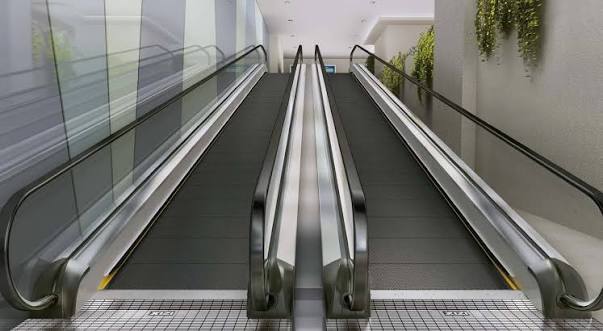
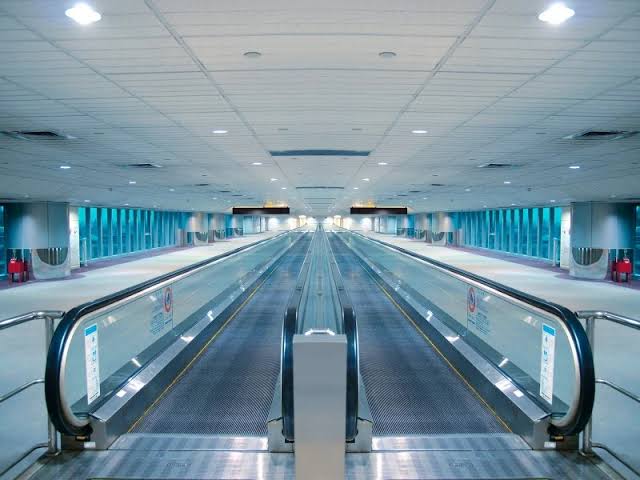
Selecting a Lift Installation Company in Dubai involves evaluating technical capability, project planning, safety practices, and support after installation. It is also important to consider providers offering Travelator Services in UAE for properties that require reliable passenger movement solutions. A low quotation alone does not establish whether a company is suitable for your building.
Use these practical checks when comparing providers:
- Review relevant experience: Ask about projects involving similar building types, lift capacities, and installation requirements.
- Check technical specifications: Confirm that the proposed system matches your building’s needs rather than accepting a generic quotation.
- Clarify safety and approvals: Ask how the company addresses applicable building requirements, inspections, testing, and commissioning.
- Understand the project schedule: Confirm equipment lead times, site responsibilities, installation milestones, and factors that could cause delays.
- Evaluate after-sales support: Discuss maintenance contracts, breakdown assistance, spare parts availability, and warranty coverage.
- Compare the complete quotation: Review inclusions, exclusions, payment milestones, and ongoing service costs.
A reliable Dubai lift company should explain its proposal clearly and coordinate with the wider construction team throughout the project.
Why Are Safety and Maintenance Important After Installation?
Lift safety depends on correct design, installation, commissioning, and ongoing maintenance. Experienced elevator contractors in Dubai can provide professional support to help ensure that a newly installed system receives routine servicing, identify component wear, maintain reliable operation, and address developing faults.
Dubai’s Building Code includes requirements for vertical transportation systems, covering safety, reliability, accessibility, and energy conservation. An experienced Elevator Company in Ras Al Khaimah can also help property owners understand relevant technical and safety considerations. Consult the official Dubai Municipality Building Code information and ensure that the project’s applicable requirements are confirmed with the responsible professionals and authorities.
After handover, property managers should arrange scheduled inspections and maintenance according to the manufacturer’s recommendations and applicable requirements. They should also maintain service records, report unusual noises or levelling problems, and ensure that emergency procedures are understood by relevant staff.
Discuss maintenance arrangements before installation is completed. Clear service responsibilities can help property owners plan operating costs and reduce avoidable disruption.
Conclusion
Choosing the right lift installation company in Dubai requires careful consideration of building requirements, equipment specifications, project costs, safety, and long-term support. An experienced Elevator Company in Umm Al Quwain can also help assess these requirements and recommend suitable lift solutions. A detailed site survey and transparent quotation help establish a suitable solution before installation begins. Equally important are proper testing, commissioning, and a clear maintenance plan after handover.
Karsar Elevators provides reliable lift-related solutions for residential and commercial buildings, along with professional Elevator Services in UAE. If you are planning a new installation or upgrading an existing property, contact Karsar Elevators to discuss your project, explore suitable options, and request a quotation tailored to your building’s needs.
Frequently Asked Questions
How much does lift installation cost in Dubai?
The cost depends on lift type, capacity, number of floors, travel height, cabin finishes, site preparation, and electrical work. Request a site assessment and itemized quotation to establish the actual project cost.
How long does lift installation take?
The timeline varies with equipment availability, building readiness, lift specifications, and installation complexity. The supplier should provide a project schedule covering preparation, equipment delivery, installation, testing, and handover.
Which lift is best for a residential building?
Passenger lifts are commonly used in apartment buildings, while home lifts may suit villas. The appropriate option depends on available space, floor count, household needs, accessibility, and expected usage.
What should I check before hiring a lift installation company in Dubai?
Review relevant project experience, technical specifications, safety procedures, applicable approvals, warranty terms, installation timelines, and maintenance support. Compare complete quotations rather than choosing solely on the initial price.
Can a lift be installed in an existing building?
Yes, installation may be possible, but feasibility depends on structural conditions, available space, shaft requirements, access, and building approvals. A technical site survey is necessary to determine the practical solution.
Is lift maintenance necessary after installation?
Yes. Scheduled maintenance helps assess equipment condition, identify developing faults, and support safe, reliable operation. The maintenance schedule should follow manufacturer guidance and applicable local requirements.