


A residential elevator can make a villa or private home more accessible, convenient, and comfortable, particularly when a property has multiple floors or residents with different mobility needs. Residential Elevator Services in UAE cover the complete lifecycle of a home lift, from site assessment and installation to preventive maintenance, troubleshooting, repairs, modernization, and component replacement.
Choosing the right system involves more than selecting a cabin design. Homeowners should consider the building layout, available shaft or installation space, elevator capacity, drive technology, safety features, power requirements, maintenance needs, and applicable local requirements. This guide explains how residential elevators work, what services involve, what affects costs, and how to choose a suitable provider such as Karsar Elevator.
What Are Residential Elevator Services in UAE?
Residential elevator services in UAE are professional services provided for elevators installed in private homes, villas, and residential properties. They can include planning, equipment selection, installation, inspection support, preventive maintenance, emergency repairs, modernization, and replacement of worn components.
Unlike commercial elevators, residential systems are generally selected around the home’s architecture, expected usage, available space, and homeowner preferences. The appropriate solution depends on factors such as the number of floors, shaft dimensions, traffic level, load requirement, and whether the elevator is being incorporated into a new building or an existing property.
The UAE also has technical conformity requirements for elevators. MoIAT’s regulatory material identifies elevators and elevator safety components within the UAE’s technical regulatory framework, while its current services include conformity certification for products subject to technical regulations.
How Does a Home Elevator Work?
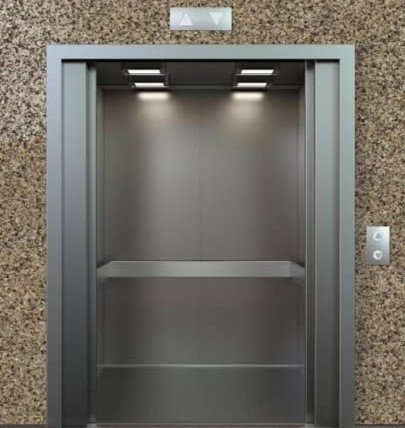
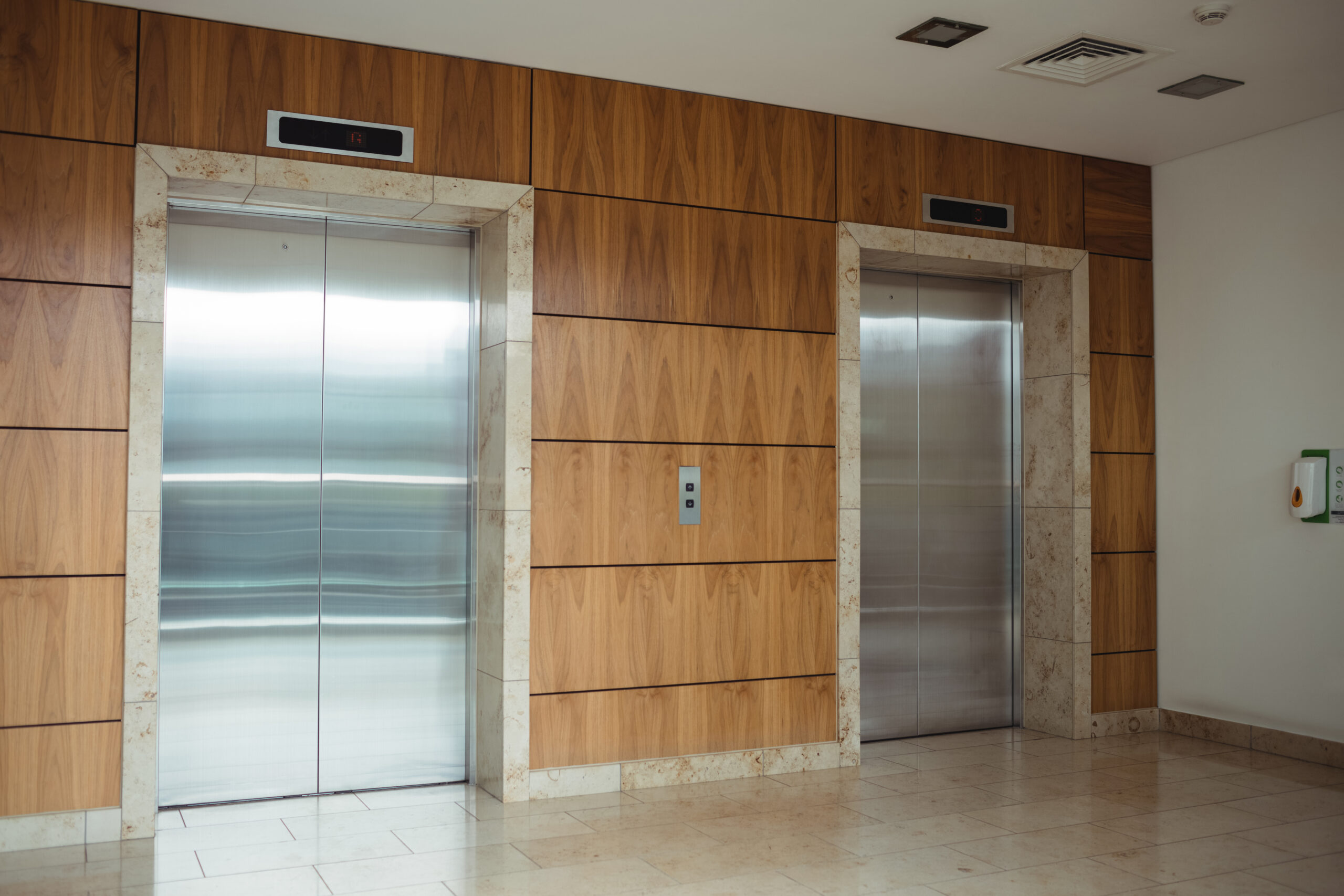
A home elevator moves a passenger cabin between floors using a lifting system controlled by an elevator controller and associated safety equipment. Depending on the design, the system may use traction technology, hydraulic equipment, or other residential lift configurations.
The basic operating sequence is straightforward:
- The user selects a floor from the control panel.
- The controller receives the request and activates the lifting system.
- The cabin travels along its guide path.
- Sensors and control systems monitor movement and door operation.
- The elevator slows and levels with the destination floor.
- The doors open after the system confirms safe positioning.
A professional installation should ensure that the elevator, controls, doors, electrical systems, and safety devices work together correctly rather than treating the cabin as an isolated component.
What Services Are Included in Residential Elevator Installation?
Residential Elevator Installation involves much more than delivering and assembling the equipment. A qualified provider normally begins by evaluating the property and identifying the most suitable technical configuration.
1. Site Assessment and Planning
The first stage is a site survey. Engineers assess available space, floor-to-floor height, access conditions, electrical requirements, structural considerations, and the preferred elevator location.
For an existing villa, this step is especially important because the installer may need to work around completed walls, flooring, staircases, or other architectural features.
2. Elevator Selection
The homeowner and technical team select the elevator based on:
- Number of floors served
- Expected passenger usage
- Required capacity
- Available shaft or cabin space
- Building structure
- Door configuration
- Drive technology
- Interior design preferences
- Maintenance requirements
A compact system may suit a smaller home, while a larger villa may require a higher-capacity configuration.
3. Installation and Commissioning
During installation, the elevator equipment, guide components, doors, controls, electrical connections, and safety systems are assembled and tested.
After installation, commissioning checks should verify functions such as movement, floor leveling, door operation, emergency controls, and safety devices. Applicable conformity and local approval requirements should also be confirmed for the specific project.
Which Type of Home Elevator Is Suitable for a UAE Villa?
There is no single elevator design that suits every property. A home elevator UAE project should be selected according to the building’s space, structure, usage, and design requirements.
Common options include:
| Elevator option | Suitable application | Key consideration |
| Traction elevator | Multi-floor homes and villas | Requires appropriate equipment and shaft planning |
| Hydraulic elevator | Certain residential layouts | Requires suitable hydraulic equipment and space |
| Compact residential lift | Smaller homes | Useful where space is limited |
| Platform lift | Specific accessibility applications | Capacity and use case should be evaluated carefully |
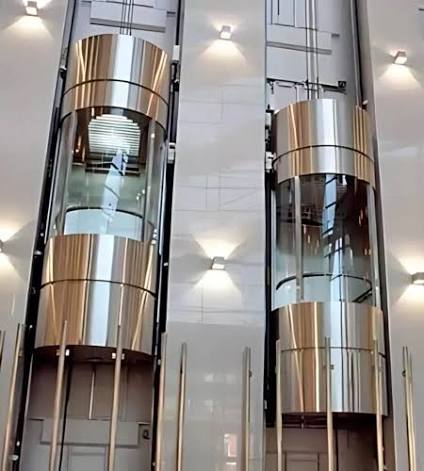
| Custom villa elevator | High-end residential projects | Greater flexibility in finishes and configuration |
For a villa elevator UAE project, architectural integration can be particularly important. The elevator may be positioned inside the property, incorporated into an existing shaft, or designed as part of a new construction project depending on the building.
Why Is Residential Elevator Maintenance Important?
Residential elevator maintenance UAE services help identify developing problems before they become major failures. Regular servicing can include inspection, cleaning, lubrication where applicable, adjustment, functional testing, and examination of critical components.
A maintenance program can help homeowners:
- Identify abnormal sounds or vibration early
- Check door and interlock operation
- Inspect electrical and control components
- Examine wear-prone mechanical parts
- Verify safety-related functions
- Reduce unexpected downtime
- Maintain smoother elevator performance
Maintenance intervals should be based on the elevator manufacturer’s requirements, usage, equipment condition, and applicable local requirements rather than relying on a universal schedule.
For broader property requirements, homeowners can also explore Karsar Elevator’s Elevator Maintenance & Repair Services as part of an ongoing service strategy.
What Are Common Residential Elevator Problems?
Home elevators can experience mechanical, electrical, control, or door-related issues. Some problems are minor, while others require immediate professional attention.
Common symptoms include:
- Elevator not starting
- Doors failing to open or close correctly
- Unusual vibration or noise
- Cabin stopping between floors
- Inaccurate floor leveling
- Slow or irregular movement
- Repeated electrical or control faults
- Unusual smells or signs of overheating
Homeowners should not attempt to bypass safety systems or repair electrical and mechanical elevator components themselves. If the elevator behaves abnormally, it should be taken out of service when appropriate and inspected by a qualified technician.
When Do You Need Residential Elevator Repair?
Residential elevator repair UAE services are required when a lift develops a fault that affects normal operation, safety, reliability, or comfort. Repairs may involve diagnosing the problem, replacing damaged components, correcting electrical faults, adjusting mechanical parts, or resolving door and control issues.
A good repair process normally follows these steps:
- Fault reporting: The homeowner describes the problem and operating symptoms.
- Technical inspection: A technician checks the elevator and identifies the likely cause.
- Diagnosis: The affected component or system is isolated.
- Repair: Necessary adjustments or component replacements are completed.
- Testing: The elevator is operated and safety-related functions are checked.
- Handover: The system is returned to service when it is considered suitable for operation.
Repeated breakdowns may indicate that the elevator requires modernization or replacement of aging components rather than another temporary repair.
What Affects Residential Elevator Installation Cost in the UAE?
There is no single fixed price for every residential elevator because project requirements vary considerably. The final quotation can depend on the elevator type, number of floors, capacity, structural work, equipment specifications, finishes, installation complexity, and ongoing service requirements.
Major cost factors include:
- Elevator technology and configuration
- Number of floors
- Required load capacity
- Shaft or enclosure requirements
- Electrical and structural preparation
- Cabin finishes and doors
- Safety and control equipment
- Installation conditions
- Replacement or modification of existing equipment
- Maintenance and spare-parts requirements
For an accurate quotation, homeowners should request a site assessment rather than relying only on a generic online price.
How to Choose a Residential Elevator Company in the UAE
Selecting an elevator provider should involve both technical and service considerations. A low initial quotation may not represent the best overall value if maintenance, spare parts, response times, or installation support are inadequate.
Before selecting a company, ask:
Does the company assess the property before quoting?
A site inspection allows the provider to identify structural and technical requirements instead of making assumptions.
Does it provide installation and after-sales support?
Installation is only one part of an elevator’s lifecycle. Ask about preventive maintenance, emergency support, troubleshooting, and replacement parts.
Are the proposed components suitable for the project?
Ask for clear information about the elevator configuration, safety systems, controls, warranty terms, and maintenance requirements.
Can the provider explain the maintenance plan?
A written maintenance scope helps homeowners understand what inspections and servicing are included.
Does the project address applicable UAE requirements?
Ask the provider which conformity, inspection, approval, and documentation requirements apply to the specific installation. MoIAT provides official information and services related to UAE technical regulations, conformity assessment, and standards.
What Should Homeowners Do Before Installing a Home Lift?
Preparation can make a residential elevator project smoother and help avoid unexpected changes later.
Before ordering equipment:
- Decide which floors need elevator access.
- Identify the preferred elevator location.
- Arrange a professional site survey.
- Confirm structural and electrical requirements.
- Compare suitable elevator technologies.
- Review safety features and control options.
- Ask for installation and maintenance details.
- Confirm warranty and spare-parts support.
- Clarify applicable approvals and documentation.
- Obtain a detailed written quotation.
For new villas, involving the elevator provider during the design stage can be particularly useful because shaft dimensions, doors, electrical provisions, and access arrangements can be planned before construction is completed.
Common Mistakes to Avoid When Buying a Residential Elevator
Homeowners sometimes focus heavily on cabin appearance or initial purchase price while overlooking long-term serviceability.
Avoid these mistakes:
- Choosing an elevator without a proper site assessment
- Selecting equipment solely because it has the lowest quotation
- Ignoring future maintenance requirements
- Failing to ask about spare-parts availability
- Not checking warranty conditions
- Making structural changes before confirming elevator requirements
- Attempting DIY repairs
- Failing to clarify inspection and approval responsibilities
A residential elevator is a long-term building system, so installation quality and after-sales support deserve as much attention as appearance.
Why Professional Home Lift Installation Matters
Professional home lift installation UAE services help ensure that the elevator is correctly integrated with the property’s structure, electrical supply, controls, doors, and safety systems.
Installation quality can influence everyday performance, noise, leveling accuracy, reliability, and future maintenance. Professional planning is particularly valuable for existing villas where construction changes can be more complicated than in a new-build project.
For homeowners considering a new system, Karsar Elevator can assess the property requirements and recommend a configuration based on the building rather than using a one-size-fits-all approach.
Future Trends in Residential Elevators
Residential elevator design is increasingly focused on compact equipment, energy efficiency, smoother operation, improved controls, and better integration with modern architecture.
Potential areas of development include:
- More space-efficient residential designs
- Smarter monitoring and diagnostics
- Improved energy management
- Modern touch and destination controls
- Greater customization of cabin interiors
- Better integration with home automation systems
However, technology should not replace basic safety, professional installation, appropriate maintenance, and compliance with applicable requirements.
Conclusion
Choosing the right residential elevator services in UAE requires attention to the entire lifecycle of the equipment—not just the initial installation. Homeowners should evaluate the property’s space, elevator type, safety systems, installation requirements, maintenance plan, repair support, spare-parts availability, and applicable UAE requirements before making a decision.
For a new villa or an existing residential property, a professional site assessment is the best starting point. Karsar Elevator can help homeowners evaluate installation, maintenance, repair, and modernization requirements and develop a solution suited to the property’s practical needs.
Frequently Asked Questions
What are residential elevator services in UAE?
Residential elevator services in UAE include elevator installation, preventive maintenance, inspection, troubleshooting, repairs, modernization, and replacement of components for villas and private homes. These services help keep home elevators operating safely and reliably while addressing issues such as unusual noise, door faults, leveling problems, electrical failures, and general equipment wear.
How much does a residential elevator cost in the UAE?
The cost depends on several factors, including elevator type, number of floors, load capacity, shaft requirements, structural work, cabin finishes, equipment specifications, and installation complexity. Because every property is different, homeowners should arrange a site assessment and request a detailed quotation rather than relying on a fixed general price.
How often should a residential elevator be maintained?
A residential elevator should be maintained according to the manufacturer’s recommendations, usage level, equipment condition, and applicable requirements. Regular preventive maintenance allows technicians to inspect important mechanical, electrical, door, and safety components and identify developing problems before they lead to unexpected breakdowns or expensive repairs.
Can a home elevator be installed in an existing villa?
Yes, a home elevator can often be installed in an existing villa if the property has suitable space and structural conditions. The installation may require an internal shaft, external structure, or other configuration. A professional site survey is necessary to evaluate floor height, available space, electrical requirements, structural considerations, and access conditions.
What should I do if my residential elevator stops working?
If a residential elevator stops working, avoid forcing the doors or attempting to repair the system yourself. Use the elevator’s emergency communication or alarm function if available and contact a qualified elevator technician. If passengers are trapped, they should remain inside until trained personnel arrive and confirm that it is safe to exit.
What are the common problems with home elevators?
Common residential elevator problems include doors that do not open or close properly, unusual sounds, vibration, inaccurate floor leveling, slow movement, electrical faults, control-system errors, and unexpected stops. Some problems can indicate component wear or a more serious technical issue, so recurring faults should be professionally diagnosed instead of repeatedly reset.
How do I choose the right residential elevator company in the UAE?
Choose a provider based on technical experience, site assessment, installation quality, maintenance support, repair response, spare-parts availability, warranty terms, and knowledge of applicable UAE requirements. Ask for a detailed quotation that clearly explains the elevator configuration, installation work, testing, warranty coverage, maintenance scope, and any additional structural or electrical requirements.