




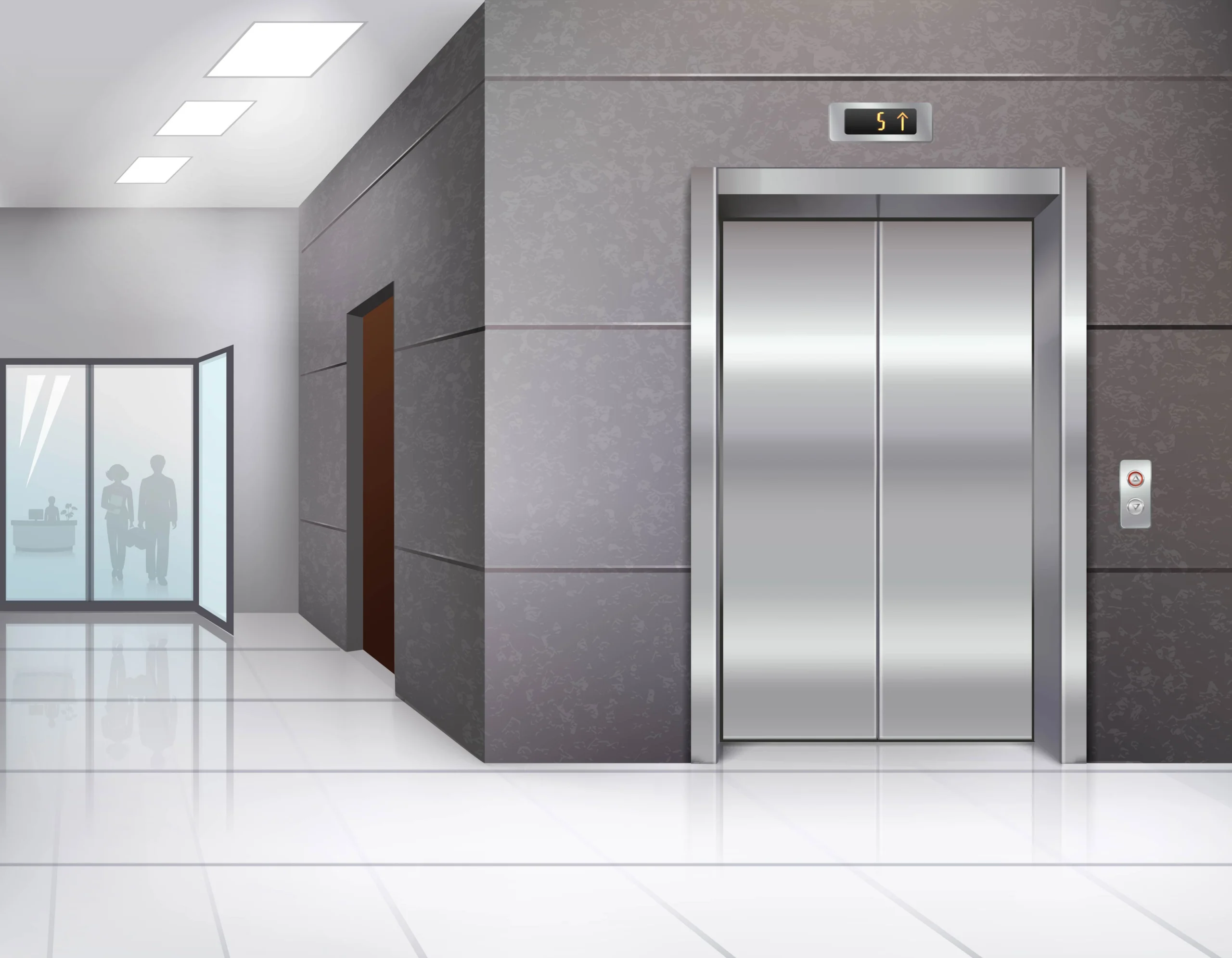

Choosing the right vertical transportation system depends on the type of property, number of floors, available space, expected usage and long-term requirements. For a private villa, an Elevator for Home can improve accessibility, comfort and convenience. For apartments, offices and commercial buildings, a building lift is usually designed to handle higher passenger traffic and more demanding operating conditions.
Although the terms “elevator” and “lift” are often used interchangeably, residential and building lift systems can differ considerably in design, capacity, installation requirements and features.
This guide explains the main types of home and building elevators, their benefits, cost considerations and the factors you should evaluate before choosing a solution in the UAE.
Elevator for Home: What Is It and Who Needs One?
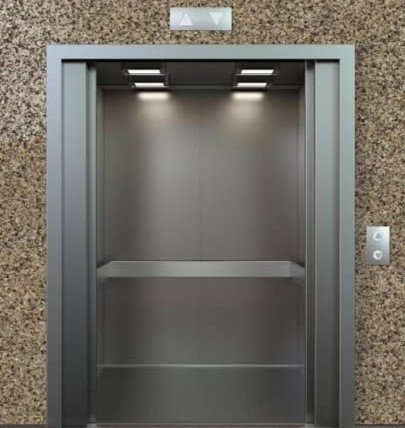
An elevator for home is a residential vertical transportation system designed for private properties such as villas, townhouses and multi-storey homes. It provides convenient movement between floors without requiring homeowners to use stairs repeatedly.
A home elevator can be particularly useful for:
- Multi-storey villas
- Large private residences
- Homes with elderly family members
- People with mobility requirements
- Families planning long-term accessibility
- Homeowners looking for additional comfort and convenience
Residential Elevators are generally designed with the size and usage of the property in mind. They may require less space than a conventional commercial lift, depending on the selected system and installation conditions.
For an existing villa, installation requirements can be different from those of a new-build property. Available shaft space, structural conditions, floor height, electrical requirements and access to the installation area should all be assessed before selecting an elevator.
Types of Elevators for Residential Properties
There are several elevator solutions available for homes. The right choice depends on the property’s layout, available space, design preferences and intended usage.
Hydraulic Home Elevators
Hydraulic systems use a hydraulic mechanism to move the elevator cabin between floors. They can be suitable for certain residential applications where the building structure and available space support this type of installation.
Their suitability depends on the number of floors, load requirements and project conditions.
Traction Home Elevators
Traction elevators use ropes, sheaves and a motor-driven system to move the cabin. Modern traction systems can provide smooth operation and may be suitable for both residential and larger building applications.
They can be considered when energy efficiency, ride quality and space requirements are important factors.
Machine-Room-Less Elevators
Machine-room-less, or MRL, systems are designed without a separate traditional machine room. This can help save space and may be useful where the building layout has limited room for elevator equipment.
The suitability of an MRL system depends on the project design and technical requirements.
Vacuum or Pneumatic Home Elevators
Vacuum elevators use air pressure to move the cabin. Their distinctive design can make them an option for certain residential projects, particularly where architectural considerations and installation space are important.
However, homeowners should evaluate capacity, operating requirements, available features and long-term maintenance before choosing this type.
Home Elevator vs Building Lift: What Is the Difference?
A home elevator and a building lift may perform the same basic function, but they are designed for different usage conditions.
| Feature | Elevator | Building Lift |
| Typical use | Villas and private homes | Apartments, offices and commercial buildings |
| Passenger traffic | Low to moderate | Moderate to high |
| Capacity | Usually suited to residential requirements | Available in a wider range of capacities |
| Space requirements | Can be designed for residential layouts | Usually requires more planning and infrastructure |
| Design | Often focused on home aesthetics | Primarily designed for functionality and durability |
| Usage frequency | Generally lower | Often operates throughout the day |
| Customization | Strong focus on residential finishes | Depends on building requirements |
| Installation | Can be adapted to some existing homes | Usually planned as part of a larger building project |
The best choice is not simply the smallest or cheapest elevator. It should match the property’s structure, expected traffic, safety requirements and long-term maintenance needs.
Benefits of an Elevator for Home
Installing an elevator for home can provide several practical advantages.
Better Accessibility
An elevator makes it easier to move between floors for elderly family members, people with mobility challenges and anyone who finds stairs difficult.
Improved Everyday Convenience
Carrying groceries, luggage, household items or other heavy objects between floors can be much easier with a residential elevator.
Better Long-Term Usability
A home designed with vertical accessibility can remain practical as the needs of the family change over time.
Added Property Appeal
A well-designed residential elevator can be an attractive feature for a modern villa. It may also make the property more appealing to future buyers who value accessibility and convenience.
More Comfortable Multi-Storey Living
For homes with several floors, an elevator can reduce the need to use stairs throughout the day and make movement around the property more convenient.
How Much Does an Elevator for Home Cost in the UAE?
The cost of an Elevator for Home in the UAE can vary significantly from one project to another. There is no single price that applies to every villa or residential property.
Several factors can affect the final quotation, including:
- Type of elevator
- Number of floors or stops
- Required passenger capacity
- Shaft or structural requirements
- Installation conditions
- Cabin size and finishes
- Door configuration
- Electrical requirements
- Safety features
- Customization
- Maintenance requirements
For this reason, homeowners should avoid choosing an elevator based only on an advertised starting price.
A professional assessment of the property can provide a more realistic understanding of the equipment, installation work and other requirements involved in the project.
What Affects Building Lift Cost?
Building lift costs can also vary considerably depending on the project.
A lift for an apartment building, office or commercial property may require higher capacity, greater operating frequency and additional technical planning compared with a private residential elevator.
Important cost factors can include:
- Building height
- Number of floors
- Passenger capacity
- Lift speed
- Number of lifts required
- Shaft construction
- Cabin specifications
- Door type
- Control system
- Safety requirements
- Installation complexity
- Finishing and customization
- Maintenance and after-sales support
For larger projects, the initial equipment cost is only one part of the overall investment. Installation, civil work, electrical work, testing and ongoing maintenance should also be considered.
Factors to Consider Before Installing a Home Elevator
Before purchasing an elevator for home, consider more than the elevator itself.
Available Space
Check how much space is available for the shaft, cabin, doors and related equipment. Space limitations can influence which elevator systems are suitable.
Number of Floors
The number of floors and stops affects the elevator’s configuration, travel distance and technical requirements.
Capacity
Think about how many people will normally use the elevator and whether you need additional capacity for luggage, groceries or other household items.
Safety Features
Safety should always be a priority. Discuss features such as emergency systems, door protection, alarm functions and backup arrangements with the elevator provider.
Design and Finishes
For residential projects, the elevator is part of the home’s interior and exterior design. Cabin finishes, lighting, doors and controls can therefore be important considerations.
Maintenance
Like any mechanical system, an elevator requires regular inspection and maintenance. Ask about the maintenance plan, service response and availability of replacement parts before making a decision.
How to Choose the Right Elevator for Your Property
The right elevator depends on how the property will be used.
For a private villa, a compact residential elevator may be more appropriate than a high-capacity commercial system. For an apartment building, office or commercial property, the lift should be selected based on expected passenger traffic, building height and operating frequency.
When comparing options, look at:
- Property requirements
- Passenger capacity
- Number of floors
- Available installation space
- Safety features
- Energy and operating requirements
- Cabin design
- Maintenance support
- Installation requirements
- Total long-term cost
Getting a detailed quotation from an experienced elevator provider can help you compare solutions more accurately.
Common Mistakes to Avoid When Choosing an Elevator
Choosing an elevator only because it has the lowest price can create problems later.
Some common mistakes include:
Focusing Only on the Initial Price
A lower purchase price does not necessarily mean a lower overall cost. Installation, maintenance, repairs and replacement parts should also be considered.
Ignoring Space Requirements
Not every elevator can be installed in every property. Check the required shaft, pit, overhead and machine-space requirements before finalizing a system.
Overlooking Maintenance
An elevator is a long-term investment. Make sure you understand the maintenance requirements and available service support.
Choosing Without a Site Assessment
A professional site assessment can identify structural and installation limitations before equipment is selected.
Ignoring Future Requirements
Think about how the property may be used in the future. A system that meets today’s requirements should also be practical for expected long-term use.
Home Elevator or Building Lift: Which One Should You Choose?
The answer depends mainly on the property and its intended use.
If you own a villa or private multi-storey home, an elevator for home can provide a practical combination of accessibility, comfort and convenience.
If you are developing an apartment building, office or commercial property, a building lift designed for higher passenger traffic may be more appropriate.
The best approach is to evaluate the building first and then select the elevator based on capacity, space, usage, safety, design and maintenance requirements.
Why Choose Karsar Elevators?
Choosing the right elevator provider is just as important as selecting the right equipment. Installation quality, technical planning, maintenance and after-sales support can all influence the long-term performance of an elevator system.
Karsar Elevators provides elevator-related solutions in the UAE, including installation, modernization, maintenance and spare-parts support.
For an elevator for home, the process should start with understanding the property rather than recommending a system based only on standard specifications. Factors such as available space, number of floors, expected users, cabin requirements and installation conditions can affect the final solution.
A professional assessment and clear project quotation can help homeowners and building owners understand what is required before installation and reduce the risk of unexpected requirements later.
Conclusion
Choosing between an elevator for home and a building lift depends on the property’s size, structure, usage and long-term requirements.
Home elevators are designed around the needs of private residences and can provide greater accessibility, convenience and comfort in multi-storey villas. Building lifts, on the other hand, are generally designed to handle greater passenger traffic and more demanding operating conditions.
Before making a decision, consider the elevator type, capacity, number of floors, available space, safety features, installation requirements and maintenance support.
Most importantly, do not choose an elevator based only on price. A professional assessment can help you identify the right solution for your property and understand the overall project requirements.
Planning an Elevator for Your Home or Building?
Looking for an elevator for home in the UAE or planning a lift for a residential, commercial or building project?
Contact Karsar Elevators to discuss your requirements. Our team can help you evaluate available space, floors, capacity, installation conditions and ongoing maintenance needs so you can make a more informed decision.
Get in touch with Karsar Elevators today to discuss the right elevator solution for your property.
Email: karsarliftsescalators@gmail.com
Phone: +971 55 946 0194
FAQs
Is an elevator worth installing in a villa?
An elevator can be a practical investment for a multi-storey villa, especially when accessibility, convenience and long-term usability are important. It can make movement between floors easier for family members and can also provide additional convenience when carrying luggage, groceries or other household items.
What is the cost of an elevator for home in the UAE?
The cost depends on several factors, including elevator type, number of floors, capacity, shaft requirements, cabin specifications, installation conditions and finishes. Because every property is different, a site assessment and project-specific quotation are generally more useful than relying on a standard price.
Can an elevator be installed in an existing villa?
Yes, depending on the structure and available space, an elevator may be installed in an existing villa. The feasibility depends on factors such as shaft space, floor layout, structural conditions, electrical requirements and installation access. A professional site assessment should be completed before selecting the elevator.
What type of elevator is best for a villa?
There is no single elevator type that is best for every villa. The right choice depends on the available space, number of floors, capacity, design preferences, budget and installation conditions. A professional elevator provider can help compare suitable residential systems based on the property’s requirements.
How many floors can a residential elevator serve?
The number of floors a residential elevator can serve depends on the specific elevator system, manufacturer specifications, building height and project requirements. Before installation, the required travel distance, number of stops and technical specifications should be evaluated to select an appropriate system.
How often does a home elevator require maintenance?
A home elevator requires regular maintenance to keep its components operating safely and reliably. The recommended maintenance schedule depends on the elevator type, manufacturer requirements and usage. Homeowners should follow the maintenance plan provided by their elevator service provider.
Should I choose an elevator based only on price?
No. Price is only one factor when choosing an elevator. Homeowners should also consider safety, capacity, installation requirements, quality, energy use, maintenance, spare-parts availability and after-sales support. Comparing the complete project requirements can help you make a better long-term decision.