


Choosing among Elevator Companies in UAE should not start with the lowest quotation. The better approach is to evaluate the company’s technical capability, installation quality, maintenance support, emergency response, spare-parts availability, safety documentation and ability to support the elevator throughout its operating life.
For building owners, developers, contractors, architects and facility managers, the right elevator partner can make a significant difference to reliability, downtime, maintenance planning and long-term operating costs.
What Makes an Elevator Company the Right Choice?
An elevator is a long-term building system, not simply equipment that is purchased and installed once.
A good provider should be able to understand the building, recommend a suitable system, coordinate installation, provide testing and documentation, and continue supporting the equipment after handover.
The most useful question is therefore not:
“Which company sells elevators?”
It is:
“Which company can support this elevator properly from project planning through its operational life?”
That distinction matters when comparing elevator suppliers in UAE because companies can differ considerably in their technical scope, service coverage, response capability and after-sales support.
9 Factors to Check Before Choosing an Elevator Company
1. Experience with your type of building
The right elevator solution depends on how and where the system will be used.
A villa, residential tower, office building, hospital, hotel, shopping centre and industrial facility can have very different requirements. Passenger traffic, operating hours, load requirements, travel distance, available shaft space and accessibility needs should all be considered before selecting equipment.
Ask the provider whether it has experience with projects similar to yours.
2. Installation and engineering capability
Installation quality affects the performance of the elevator long after the project is completed.
Before appointing an elevator installation company, ask who will handle engineering, site coordination, installation, testing and commissioning.
The quotation should make the scope clear rather than simply stating the elevator model and price.
For new construction projects, coordination with architects, consultants, MEP contractors and civil teams is also important because shaft dimensions, pit requirements, entrances, power supply and machine-room or MRL arrangements can affect the final installation.
3. Safety standards and project requirements
Safety should be evaluated using documentation and project requirements rather than marketing statements.
The applicable requirements can depend on the emirate, building, project and authority involved. In Dubai, for example, the Dubai Building Code forms part of the regulatory framework for building design, while Dubai Municipality conducts technical control and inspection activities covering elevators and escalators.
Dubai Municipality’s technical guidance also states that lifts and other lifting equipment used in workplaces are subject to periodic examination and certification requirements under the guidance described there.
For your project, ask the supplier to identify the standards, approvals, testing and documentation applicable to the specific installation instead of accepting a generic statement such as “international standards.”
4. Maintenance and AMC support
Installation is only the beginning.
A provider should be able to explain how routine maintenance will be handled after handover, what the service agreement covers and what is excluded.
A useful maintenance arrangement should clearly state:
- Planned maintenance activities
- Service frequency
- Emergency breakdown procedure
- Response arrangements
- Reporting
- Spare-parts responsibilities
- Excluded major components
- Repair approval process
- Contract duration and renewal terms
This is where many buyers focus too heavily on the initial installation price. A cheaper installation can become less attractive if service coverage, response capability or parts availability is weak.
5. Emergency response capability
For a residential tower, hotel, hospital, mall or busy commercial building, an elevator breakdown is an operational issue as well as a maintenance issue.
Ask:
Who do we contact when the elevator stops outside normal working hours?
Also ask how emergency calls are logged, who responds, what information is required and whether the company provides 24/7 support.
The objective should not simply be a promise of “fast service.” Procurement teams should understand the actual support process.
6. Spare-parts availability
An elevator can remain unavailable longer than necessary when a required component is difficult to source.
Before signing a contract, ask whether the provider supports the installed equipment and how commonly required components are sourced.
For existing elevators, this becomes even more important when the system contains older or discontinued components.
A provider capable of diagnosing the problem but unable to source suitable parts may not be the best long-term choice.
7. Modernization capability
Modernization can sometimes be more practical than repeatedly repairing an aging system.
Possible modernization work can involve controllers, drives, door systems, motors, operating panels or safety-related components, depending on the equipment and assessment.
The correct decision should follow a technical inspection rather than a blanket recommendation to replace every old elevator.
If breakdowns are becoming frequent, components are difficult to source, passenger performance has deteriorated or repair costs are repeatedly increasing, request a modernization assessment.
8. Documentation and communication
A professional elevator project should leave the building owner with useful documentation.
Depending on the project, this may include technical information, maintenance records, testing information, equipment details, warranty information and service documentation.
For contractors and procurement teams, documentation is also important because responsibilities need to be clear between the elevator contractor, consultant, main contractor, owner and facility management team.
9. Compare lifecycle value—not only the quotation
When comparing lift companies in UAE, put competing quotations into the same comparison sheet.
Look beyond the headline price and compare:
| Factor | What to check |
| Equipment | Type, capacity, speed and configuration |
| Installation | Exact scope and exclusions |
| Safety | Applicable standards and documentation |
| Warranty | Duration and covered components |
| Maintenance | Frequency and service scope |
| Emergency support | Availability and response process |
| Spare parts | Availability and pricing responsibility |
| Modernization | Future upgrade capability |
| Documentation | Handover and service records |
| Total cost | Installation + maintenance + likely repairs |
This makes it easier to identify whether two apparently similar quotations actually offer the same scope.
Choose a Company Based on Your Building Type
Residential and villa projects
Residential buildings generally require attention to passenger comfort, space limitations, aesthetics, accessibility and long-term serviceability.
For villas, the available shaft space and architectural design can strongly influence the appropriate solution.
Commercial and office buildings
Commercial properties need to consider passenger traffic, peak periods, operating hours, reliability and waiting times.
The correct specification should be based on expected building usage rather than simply selecting the largest or fastest available elevator.
Hospitals and healthcare facilities
Healthcare buildings have more demanding operational requirements. Elevator selection may need to account for patient transport, medical equipment, accessibility, traffic patterns and building operations.
The provider should understand these requirements before proposing equipment.
Hotels, malls and high-traffic facilities
High-traffic environments place greater demands on equipment availability and maintenance planning.
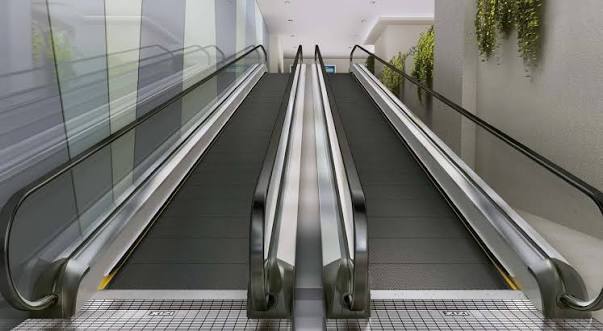
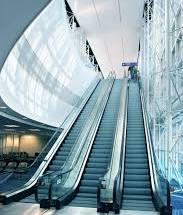
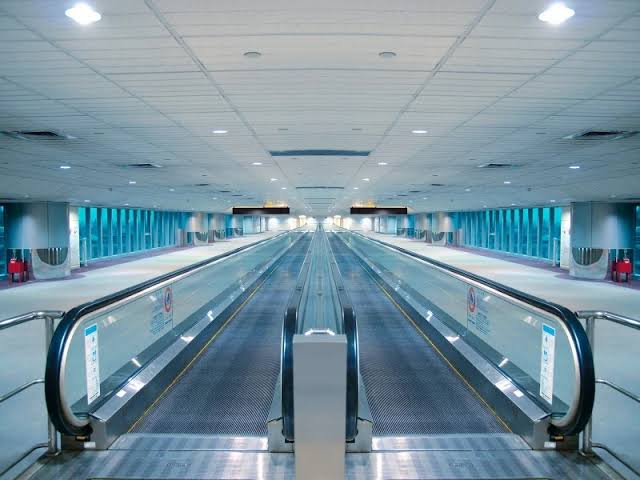
Escalators and moving walkways may also be part of the overall vertical transportation strategy.
Industrial and freight applications
Freight elevators need to be evaluated according to the goods being transported, loading conditions, capacity, operating frequency and building environment.
A passenger-oriented solution should not automatically be treated as suitable for industrial use.
How to Compare Elevator Quotations
Do not compare quotations by price alone.
First, confirm that the specifications are comparable. A quotation with a lower price may exclude items that another supplier has included.
Ask every shortlisted provider for the same basic information:
- Elevator type and configuration
- Rated load and speed
- Number of stops and travel
- Shaft and pit requirements
- Power requirements
- Cabin and door specifications
- Safety equipment
- Installation scope
- Testing and commissioning
- Warranty
- Maintenance options
- Emergency support
- Spare-parts arrangements
- Exclusions and additional charges
This gives procurement teams a much clearer basis for evaluating proposals.
Installation Is Only the Beginning
The best elevator installation does not eliminate the need for maintenance.
Routine service helps identify developing faults before they become larger operational problems. Maintenance requirements should also reflect the equipment, building type, operating conditions and usage.
Karsar’s published UAE service scope includes installation, maintenance, repair, modernization, inspection and technical support for different building types.
For building owners considering an ongoing service arrangement, Elevator AMC Services can provide a more focused explanation of maintenance-contract considerations.
When Should You Repair, Modernize or Replace an Elevator?
There is no single rule that says every elevator should be replaced after a particular number of years.
A technical assessment should consider:
Repair when the fault is identifiable, the equipment remains supportable and repair is economically reasonable.
Modernize when important components are outdated, reliability is declining or the system can benefit from targeted upgrades.
Replace when the existing system is no longer practical to support, repeated repairs are creating unacceptable downtime or a major upgrade would approach the cost and disruption of a new installation.
The decision should be based on the elevator’s actual condition and future requirements.
Questions to Ask Before Signing a Contract
Before appointing a provider, ask these questions:
- Have you completed projects similar to ours?
- Who will manage installation and commissioning?
- What standards and local requirements apply to our project?
- What exactly is included in the warranty?
- What does the maintenance contract cover?
- What happens during an emergency breakdown?
- Are spare parts readily available?
- Which repairs require additional approval?
- What reports will the facility team receive?
- Can you modernize the system later if requirements change?
- What documentation will be provided at handover?
The answers should be specific enough to include in your procurement evaluation.
Why UAE-Specific Support Matters
The UAE is not a single regulatory environment where one generic checklist automatically applies to every project.
Requirements can vary according to emirate, building type, project scope and the authorities involved. Dubai’s current building legislation, for example, places specific emphasis on building quality, safety and continued safe operation of building systems.
That means your elevator provider should be able to work with the project’s applicable requirements rather than relying only on a generic product specification.
Why Consider Karsar Elevator & Escalator LLC?
Karsar Elevator & Escalator LLC states that it provides elevator installation, maintenance, repair, modernization, inspection and technical support across the UAE. Its published service portfolio covers residential, commercial, industrial and public buildings, alongside escalator and travelator solutions.
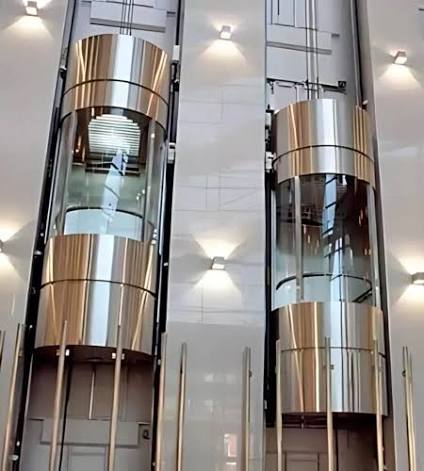
The company also lists passenger elevators, freight elevators, hospital lifts, dumbwaiters, escalators, moving walkways and customized mobility solutions within its expertise.
Karsar’s website states that its team includes certified engineers and skilled technicians and that the company follows international elevator and escalator standards. These company-specific claims should be supported by the relevant certificates and project documentation during procurement.
For a project where installation, maintenance and long-term technical support all matter, this lifecycle approach is worth evaluating alongside the technical and commercial terms of the quotation.
Conclusion
Choosing the right elevator company in the UAE is a long-term business decision, not simply a comparison of installation prices. The right provider should understand your building requirements and offer reliable support across installation, maintenance, repairs, safety, spare parts and future modernization.
Before making a decision, compare technical specifications, service commitments, response procedures, warranty terms and overall lifecycle value. A company that can support your elevator beyond installation can help reduce unexpected downtime and make long-term building management easier.
If you are planning a new elevator installation, upgrading an existing system or looking for ongoing maintenance support, Karsar Elevator & Escalator LLC can help you evaluate the right solution for your project.
Contact Karsar today to discuss your elevator requirements and request a project-specific quotation.
Frequently Asked Questions
What should I look for when choosing an elevator company in the UAE?
Look at technical experience, installation capability, applicable safety requirements, maintenance coverage, emergency support, spare-parts availability, documentation, modernization capability and total lifecycle cost.
Are all elevator suppliers suitable for every building?
No. Elevator requirements vary according to building type, traffic, capacity, travel distance, shaft conditions, operating requirements and the people or goods being transported.
What should an elevator maintenance contract include?
The contract should clearly define planned maintenance, service frequency, emergency support, reporting, exclusions, spare-parts responsibilities, repair procedures and contract terms.
How do I compare elevator quotations?
Compare equivalent technical specifications first, then evaluate installation scope, warranty, maintenance, emergency response, parts, exclusions and long-term costs. The lowest initial price does not necessarily represent the lowest lifecycle cost.
When should an old elevator be modernized?
Modernization should be considered when reliability is declining, important components are obsolete, spare parts are becoming difficult to obtain or repeated repairs are affecting operating costs and availability.
Are elevator regulations identical throughout the UAE?
No. Requirements can depend on the emirate, building type, project and applicable authority. The supplier and project team should confirm the requirements that apply to the specific installation.
Does Karsar provide elevator installation and maintenance?
Karsar’s published service information states that it provides elevator installation, maintenance, repair, modernization, inspection and technical support across the UAE.