


Modern buildings need reliable ways to move people safely and efficiently. Elevators, escalators, and travelators are designed for different transportation requirements, so selecting the right system depends on factors such as building type, passenger traffic, available space, accessibility, and project objectives.
Elevator vs escalator vs travelator is an important comparison for property developers, architects, facility managers, and businesses planning commercial or infrastructure projects. While an elevator transports passengers vertically, an escalator provides continuous movement between levels, and a travelator helps people cover longer horizontal or gently inclined distances.
Understanding how these systems differ can help businesses choose a solution that improves passenger flow, convenience, safety, and long-term operational efficiency.
Quick Comparison
| Feature | Elevator | Escalator | Travelator |
| Movement | Vertical | Vertical or inclined | Horizontal or inclined |
| Passenger flow | On demand | Continuous | Continuous |
| Main purpose | Moving between floors | Connecting nearby levels | Covering longer distances |
| Common locations | Offices, hotels, hospitals | Malls, stations, airports | Airports, malls, large facilities |
| Space requirement | Shaft required | Structural floor space | Longer walkway area |
| Accessibility | Highly suitable | Not suitable for every user | Generally convenient |
What Is an Elevator?
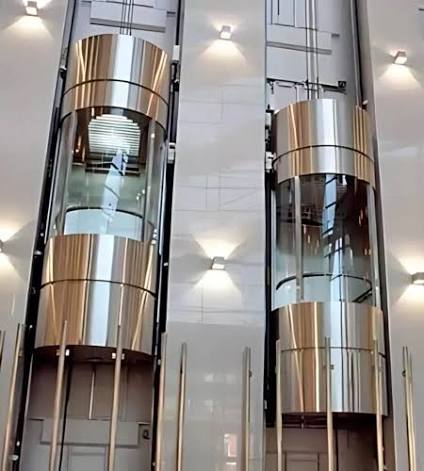
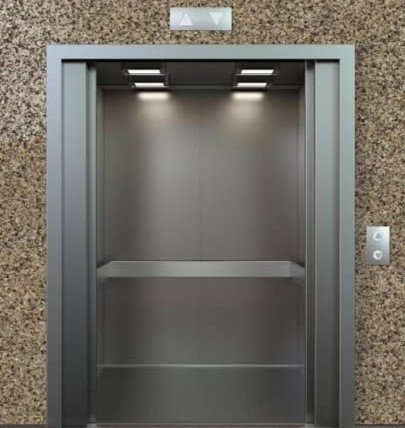
An elevator is a mechanical transportation system that moves passengers or goods between different floors. It is an essential part of most multi-storey buildings because it provides controlled and convenient vertical transportation.
Passenger elevators are commonly found in residential towers, offices, hotels, hospitals, shopping centres, and commercial buildings. Depending on the project, elevators can be selected according to capacity, speed, travel height, cabin size, door configuration, and building usage.
A professional elevator service program is important once the equipment is installed. Regular inspections, preventive maintenance, testing, and replacement of worn components can help maintain dependable performance and reduce unexpected downtime.
Benefits of Elevators
Elevators offer several advantages:
- Convenient transportation between multiple floors
- Better accessibility for people with mobility limitations
- Suitable for passengers and goods
- Controlled movement inside buildings
- Flexible designs for different building requirements
For high-rise properties and buildings with significant vertical movement, elevators are usually an essential transportation solution.
What Is an Escalator?
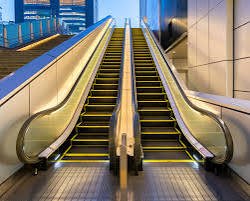
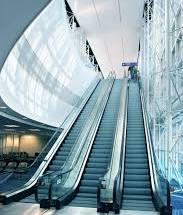
An escalator is a continuously moving staircase that carries passengers between different levels. Unlike an elevator, it does not require passengers to wait for a cabin, making it particularly useful in places where large numbers of people need to move continuously.
Escalators are commonly installed in shopping malls, airports, metro stations, department stores, railway stations, and other busy commercial environments.
Because escalators can operate for long periods with substantial passenger loads, regular escalator service is important. Preventive inspections, lubrication, cleaning, safety checks, and timely component replacement can support reliable operation.
Benefits of Escalators
Escalators can:
- Handle continuous passenger movement
- Reduce congestion between nearby floors
- Improve circulation in busy facilities
- Provide convenient access between frequently used levels
- Support high-footfall commercial environments
They are particularly effective when passenger movement is concentrated between two or more nearby levels.
What Is a Travelator?
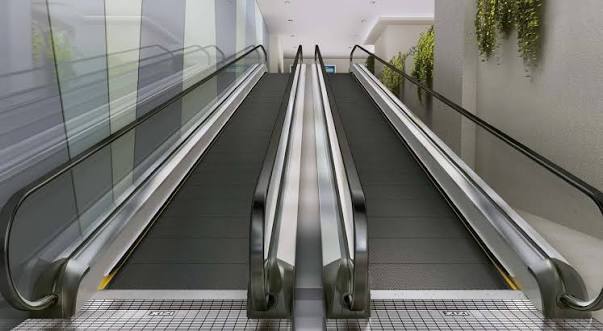
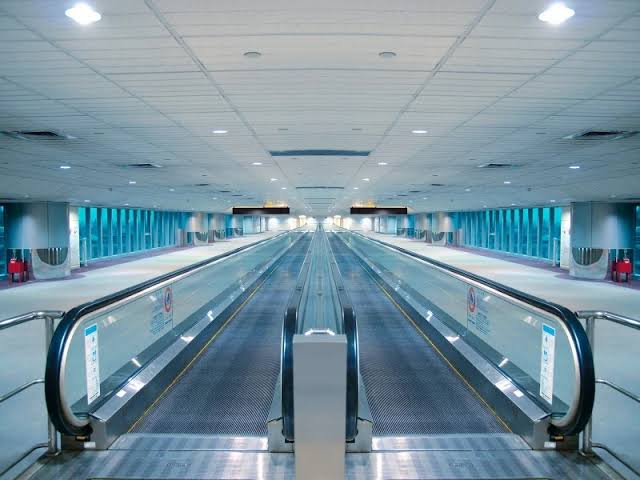
A travelator, also called a moving walkway, is designed to move passengers horizontally or along a gentle incline. Its main advantage is helping people cover long distances without walking the entire route.
Travelators are especially common in airports, where passengers may need to travel between terminals, gates, security areas, and other facilities. They can also be useful in large shopping centres, exhibition venues, railway stations, and transportation hubs.
A reliable travelator service includes routine inspections, preventive maintenance, safety checks, and servicing of mechanical and electrical components.
Travelators are particularly useful where convenience and efficient passenger movement across large spaces are priorities.
Benefits of Travelators
Travelators can:
- Reduce walking effort over long distances
- Improve passenger flow
- Provide greater convenience
- Suitable for airports, malls, and large facilities
- Help passengers move comfortably with luggage
- Improve the overall visitor experience
Difference Between Elevator, Escalator and Travelator
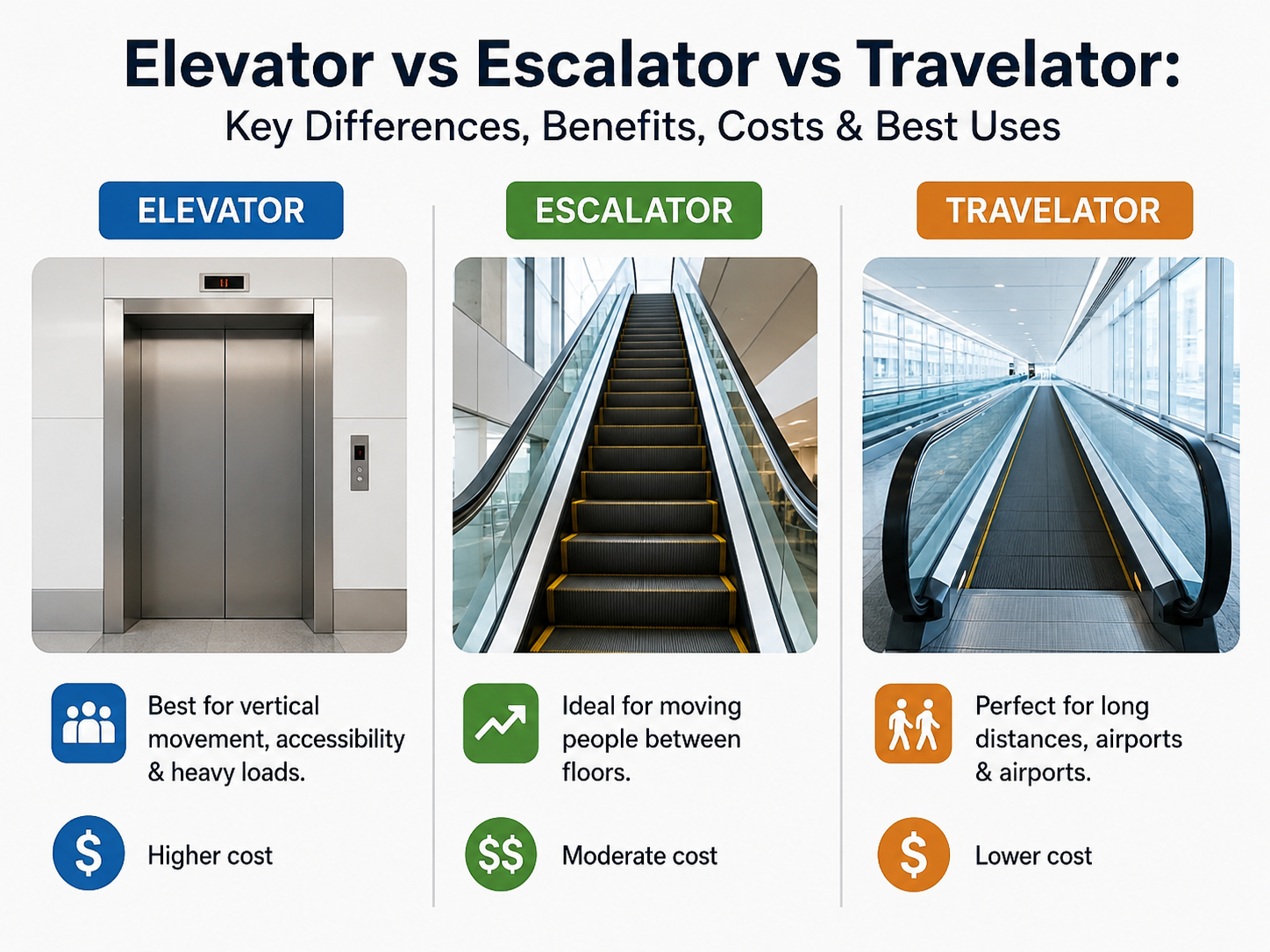
The difference between elevator escalator and travelator is mainly determined by the direction of movement, passenger flow, and the environment where each system is used.
An elevator is designed for vertical transportation between floors and can serve passengers with different mobility needs. An escalator provides continuous movement between levels and is generally suitable for high pedestrian traffic. A travelator focuses on horizontal or gently inclined movement and is useful when passengers need to cover longer distances.
| Comparison Factor | Elevator | Escalator | Travelator |
| Direction | Vertical | Between levels | Horizontal/gentle incline |
| Operation | On-demand | Continuous | Continuous |
| Ideal application | Multi-storey buildings | High-footfall areas | Large facilities |
| Main advantage | Accessibility and vertical travel | Passenger throughput | Convenient long-distance movement |
| Typical planning concern | Shaft and machinery | Floor opening and structural space | Length and available walkway area |
Elevator vs Escalator: Which One Should You Choose?
The elevator vs escalator choice depends on the building’s requirements rather than one system being universally better.
Elevators are generally preferable for high-rise buildings, hospitals, offices, hotels, and properties where accessibility is essential. Escalators are more suitable for continuous passenger movement between nearby levels in locations such as shopping malls and transportation facilities.
Large commercial buildings often use both. Escalators can handle regular foot traffic while elevators provide accessible transportation and serve passengers travelling to different floors.
Escalator vs Travelator: What Is the Difference?
The escalator vs travelator comparison is primarily about the type of journey being supported.
Escalators are designed to move passengers between different levels, whereas travelators are generally used to move people across long horizontal distances or gentle inclines. An airport may therefore use travelators between distant gates while using escalators to connect different floors.
Choosing between them depends on the building layout and expected passenger movement.
Elevator vs Travelator: Which Is Better?
When considering elevator vs travelator, first determine whether passengers need vertical or long-distance horizontal transportation.
An elevator is appropriate when people must move between floors. A travelator is more suitable when passengers need assistance covering a considerable distance across the same level or along a gradual incline.
Large facilities may require both systems to create an efficient passenger transportation network.
Elevator, Escalator and Travelator Applications
A complete elevator escalator travelator comparison should consider the building’s purpose and traffic patterns.
Residential and office buildings: Elevators are generally the primary choice because users need convenient access between floors.
Shopping malls: Elevators can provide accessibility, while escalators support continuous movement between busy retail levels.
Airports: All three systems may be required. Elevators provide vertical access, escalators connect levels, and travelators help passengers cover long distances.
Railway and metro stations: Elevators and escalators can improve passenger circulation and accessibility.
Hospitals: Elevators are particularly important for patients, medical equipment, staff, and visitors.
Exhibition centres: Large venues can benefit from elevators and travelators to manage movement across extensive spaces.
Elevator, Escalator and Travelator Cost
The elevator escalator travelator cost varies from project to project. Equipment specifications, capacity, dimensions, installation conditions, structural requirements, safety systems, customization, energy efficiency, and maintenance arrangements can all influence the final investment.
Instead of relying on a general online price, businesses should obtain a technical assessment and project-specific quotation. This provides a more realistic understanding of equipment, installation, and long-term maintenance expenses.
Installation, Maintenance and Safety
Professional installation is essential because these systems involve mechanical, electrical, structural, and safety considerations. Proper testing and commissioning should be completed before equipment is placed into regular operation.
Maintenance is equally important. Preventive servicing can identify worn components, reduce unexpected failures, support safe operation, and extend equipment life.
When selecting an elevator company in UAE, businesses should consider technical experience, installation capabilities, safety practices, spare-parts availability, warranty terms, maintenance support, response times, and after-sales service.
How to Choose the Right System for Your Project
Start by identifying how people will move through the property. Consider the number of floors, expected passenger traffic, available space, accessibility requirements, building type, operating hours, and long-term maintenance requirements.
For vertical transportation, elevators are generally essential. For continuous movement between nearby levels, escalators can be highly effective. For long horizontal or gently inclined distances, travelators can provide additional convenience.
For large projects, combining different systems can provide a more complete passenger transportation solution.
Conclusion
Choosing the right transportation system requires consideration of passenger flow, building design, accessibility, space, safety, installation requirements, and long-term maintenance.
Elevators are designed for vertical transportation, escalators support continuous movement between levels, and travelators help passengers cover longer horizontal or inclined distances. The right combination can significantly improve convenience and circulation within modern buildings.
For projects in the UAE, working with an experienced provider can help ensure appropriate system selection, professional installation, regular maintenance, and dependable long-term performance.
Planning an elevator, escalator, or travelator project? Contact a qualified UAE provider for a site assessment, technical consultation, and customized quotation tailored to your building’s requirements.
Frequently Asked Questions
1. Why Is Regular Travelator Maintenance Important?
Regular travelator maintenance helps keep moving components, safety systems, motors, and belts operating correctly. Preventive servicing can identify potential problems before major failures occur, reduce downtime, improve passenger safety, and help extend the overall operational life of the equipment.
2. Which Is Better for a Multi-Storey Building?
Elevators are generally the most suitable option for multi-storey buildings because they provide direct vertical transportation and better accessibility. For properties with heavy pedestrian traffic, elevators can also be combined with escalators to improve passenger movement between frequently used floors.
3. Where Are Travelators Commonly Used?
Travelators are commonly used in airports, shopping malls, railway stations, exhibition centres, and other large facilities where people need to travel long distances. They reduce walking effort and help passengers move efficiently between different areas of a large property.
4. How Much Does an Elevator, Escalator or Travelator Cost?
Costs depend on equipment type, capacity, dimensions, installation complexity, building structure, safety features, customization, and maintenance requirements. Because every project is different, businesses should request a professional site assessment and customized quotation before finalizing their transportation system.
5. How Often Should Elevators and Escalators Be Serviced?
Elevators and escalators should receive regular preventive maintenance according to manufacturer recommendations, usage, and applicable safety requirements. Routine inspections help identify worn components, reduce unexpected breakdowns, maintain reliable operation, and improve passenger safety throughout the equipment’s operating life.
6. How Do I Choose an Elevator Company in UAE?
Choose a company based on installation experience, technical expertise, safety practices, product quality, spare-parts availability, warranty, maintenance capabilities, response time, and after-sales support. Reviewing previous projects and requesting a detailed technical quotation can also help with the decision.
7. Are Escalators Suitable for Every Building?
No. Escalators require appropriate structural space and are most effective where there is continuous pedestrian movement between nearby levels. Buildings must also consider accessibility because some passengers may require elevators instead. A combination of elevators and escalators is often more practical.