


Elevators have become an essential part of modern residential, commercial, and mixed-use buildings across the UAE. From high-rise offices and hotels to villas and apartment buildings, the right lift system improves accessibility, convenience, and the overall functionality of a property. Choosing reliable Elevator Installation Services in UAE can also help ensure that the system is properly planned and suited to the building. However, selecting and installing an elevator involves more than choosing a cabin and motor. Building structure, usage, safety standards, available space, technology, and long-term maintenance all need to be considered.
This guide explains elevator installation in UAE, including the installation process, major elevator types, expected costs, requirements, safety considerations, and how to select the right installation provider.
Phone: +971 55 946 0194
What Is Elevator Installation?
Elevator installation in UAE is the process of planning, supplying, assembling, testing, and commissioning an elevator system within a building. The work can be carried out during new construction or as part of a modernization or renovation project.
A typical installation involves several components, including the elevator cabin, doors, control system, drive equipment, guide rails, safety devices, and electrical systems. The exact configuration depends on the building’s height, traffic requirements, available shaft space, and intended use.
For this reason, an elevator should be selected according to the building rather than simply based on price.
Types of Elevators Used in the UAE
Different properties require different elevator solutions. Understanding the main options can make the selection process easier.
Passenger Elevators
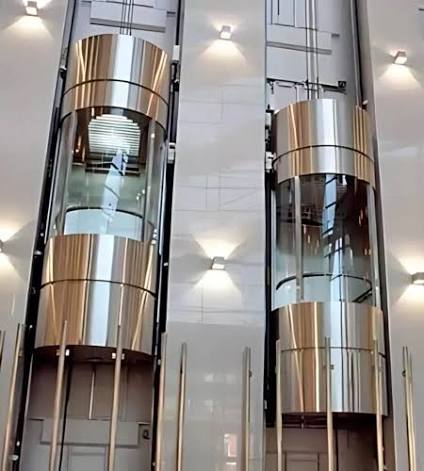
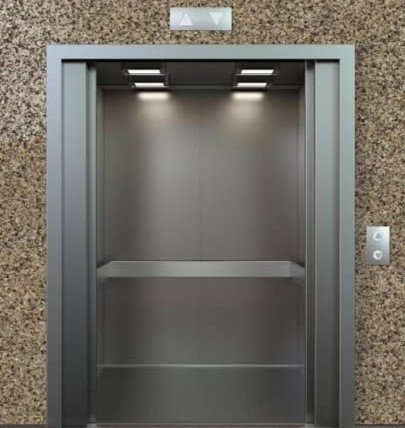
Passenger elevators are commonly installed in residential towers, offices, hotels, shopping centres, and public buildings. They are designed to transport people efficiently and are available in different capacities, speeds, cabin sizes, and finishes.
Commercial Elevators
Commercial elevator installation is generally planned around higher passenger traffic and frequent daily operation. Offices, retail buildings, hospitals, hotels, and other commercial properties may require elevators with higher capacity, durable components, and efficient control systems.
Residential Elevators
A residential elevator installation can improve accessibility and convenience in villas, private residences, and low-rise apartment buildings. Home elevators are typically designed to fit smaller spaces and can be customized according to the property’s architecture.
Freight and Service Elevators
Freight elevators are designed for transporting goods, equipment, and heavy materials rather than regular passenger traffic. They are commonly used in warehouses, factories, hotels, commercial kitchens, and industrial facilities.
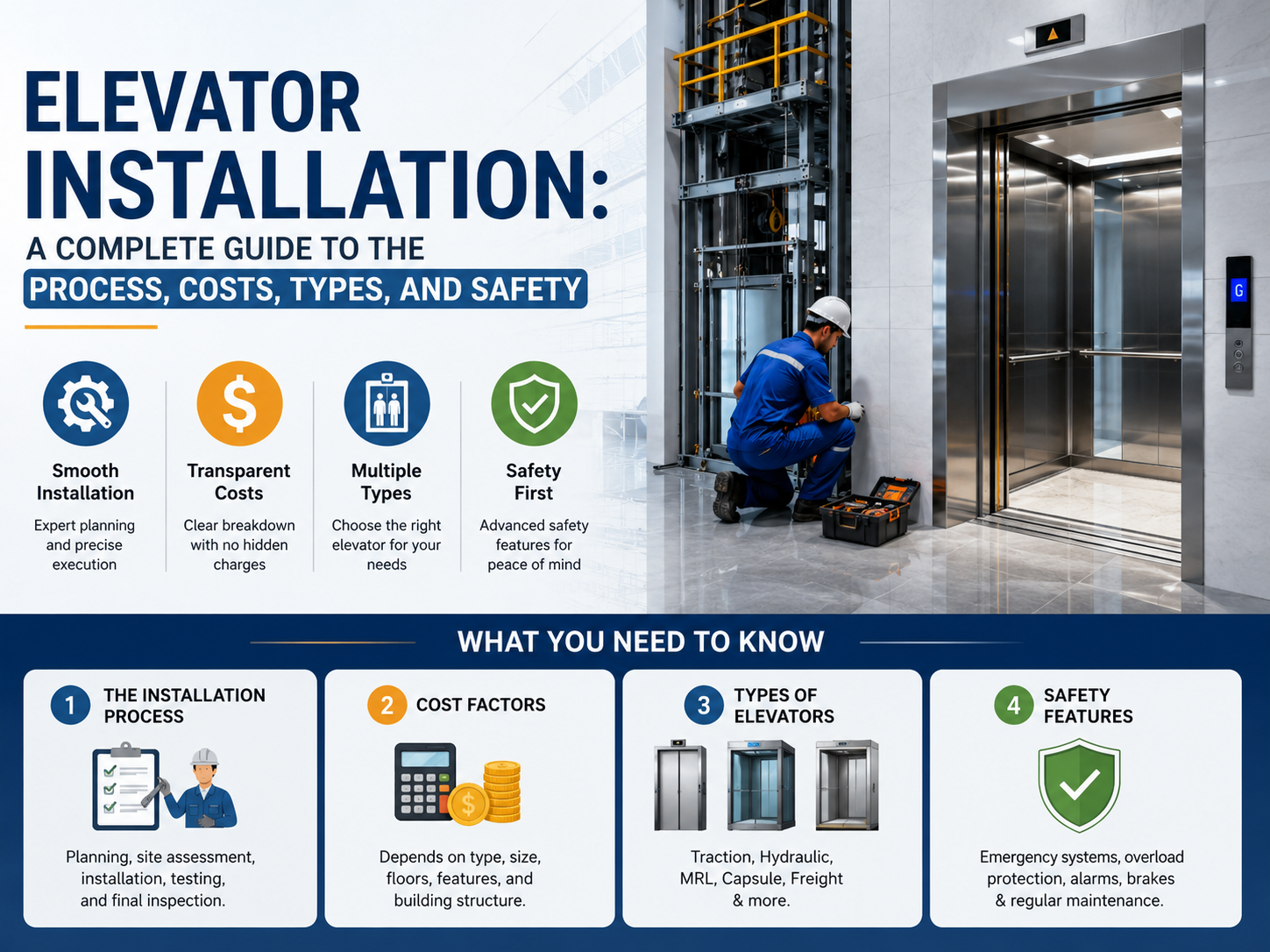
Elevator Installation Process: Step by Step
A professional elevator installation process starts well before equipment arrives at the construction site. Proper planning helps reduce delays and ensures that the selected system fits the building correctly.
1. Site Survey and Assessment
The first step is evaluating the building. Professionals review the available shaft dimensions, pit depth, overhead space, floor-to-floor height, electrical supply, access points, and structural conditions.
For existing buildings, the assessment may also determine whether modifications are necessary before installation can begin.
2. Selecting the Elevator System
The elevator is selected according to the building’s requirements. Important factors include passenger capacity, travel distance, speed, frequency of use, available space, energy efficiency, and design preferences.
The property owner should also consider future usage rather than focusing only on current requirements.
3. Design and Technical Planning
Detailed technical drawings and specifications are prepared before installation. These may cover shaft dimensions, machine-room requirements, landing doors, electrical connections, cabin specifications, control systems, and safety equipment.
Proper planning is particularly important when installing an elevator in an existing structure where space can be limited.
4. Shaft and Site Preparation
The building must be prepared before the elevator equipment is installed. Depending on the project, this can include shaft construction, pit preparation, structural work, electrical connections, and access arrangements.
Meeting the required elevator installation requirements at this stage can prevent expensive changes later in the project.
5. Equipment Installation
Once the site is ready, the elevator components are assembled and installed. Guide rails, doors, cabin components, drive equipment, wiring, control panels, and safety systems are positioned according to the approved design.
Experienced technicians ensure that individual components are properly aligned and connected.
6. Testing and Commissioning
After installation, the elevator undergoes testing to verify its operation and safety functions. Door operation, controls, emergency systems, leveling accuracy, load performance, and other relevant functions are checked before the elevator is placed into service.
Required inspections and approvals should be completed according to applicable UAE regulations and the authority requirements relevant to the project location.
How Much Does Elevator Installation Cost?
Elevator installation cost varies significantly from one project to another. There is no single price that applies to every building because the final amount depends on the elevator type, capacity, travel height, number of floors, shaft requirements, technology, customization, and site conditions.
For example, installing a compact residential lift in an existing villa can have very different requirements from installing multiple high-speed elevators in a commercial tower.
The main factors affecting the overall cost include:
- Elevator type and capacity
- Number of floors served
- Travel speed and distance
- Shaft and pit construction
- Machine-room requirements
- Cabin design and finishes
- Electrical and structural work
- Safety and control systems
- Installation complexity
- Testing and commissioning
- Future maintenance requirements
When comparing quotations, property owners should look beyond the initial equipment price. Installation quality, warranty coverage, spare-parts availability, response time, and after-sales support can have a major impact on the total cost of ownership.
Key Elevator Installation Requirements
Every project has specific technical and regulatory requirements. These can vary depending on the building type, emirate, project location, and applicable authority rules.
Important considerations can include adequate shaft dimensions, pit and overhead clearances, structural support, electrical supply, emergency provisions, appropriate landing doors, ventilation, and safe access for maintenance.
A qualified provider should review the applicable local requirements before the project begins. This helps ensure that the elevator design and installation are suitable for the building and can pass the required inspection process.
Elevator Safety Considerations
Safety should remain a priority throughout the entire project. Modern elevators include multiple systems designed to protect passengers and technicians.
These may include emergency brakes, door safety mechanisms, overload protection, emergency communication systems, accurate floor leveling, alarm systems, and backup arrangements where applicable.
However, safety does not end when the elevator is commissioned. Regular inspections, preventive maintenance, timely replacement of worn components, and professional servicing are essential for reliable operation.
Property owners should also ensure that maintenance work is performed by qualified professionals and that safety issues are addressed immediately.
Choosing the Right Elevator Installation Provider
Selecting the right elevator installation services provider from a reliable elevator company in UAE can significantly influence the quality and reliability of the completed project. A suitable provider should have relevant technical experience, qualified personnel, proper project planning capabilities, and knowledge of applicable local requirements.
Before making a decision, consider:
- Experience with similar building types
- Technical expertise and qualified technicians
- Quality of elevator equipment
- Warranty and maintenance options
- Availability of spare parts
- Project timelines
- Safety and compliance procedures
- After-sales support
Working with an established elevator installation company can also make coordination easier because design, installation, testing, and maintenance can be managed through a more structured process.
Why Professional Installation Matters
Elevator systems combine mechanical, electrical, structural, and electronic components. Even a small installation error can affect performance, passenger comfort, or long-term reliability.
Professional elevator installation contractors follow technical specifications during assembly, alignment, wiring, testing, and commissioning. Their experience can also help identify potential site problems before they become costly project delays.
For building owners, choosing quality installation over the lowest initial quotation can provide better long-term value.
Final Thoughts
A successful elevator installation in UAE depends on careful planning, suitable equipment, correct site preparation, professional installation, comprehensive testing, and ongoing maintenance. The best elevator is not necessarily the most expensive option; it is the system that matches the building’s requirements, expected traffic, available space, safety needs, and long-term operating goals.
Whether the project involves a villa, residential tower, office, hotel, warehouse, or commercial property, evaluating the elevator type, technical specifications, installation requirements, and service support before starting the project can help create a safer and more dependable vertical transportation system.
For property owners planning elevator installation in UAE, obtaining a detailed site assessment and project-specific quotation is a practical first step toward selecting the right solution.
Contact Us for Elevator Installation in UAE
Looking for a reliable solution for your elevator project? Contact us today to discuss your building requirements, installation needs, and project goals. Our team can help you choose a suitable elevator solution and guide you through the process from initial planning to installation and commissioning. Reach out to us for expert assistance and a project-specific consultation.
Phone: +971 55 946 0194
E-mail: karsarliftsescalators@gmail.com
Frequently Asked Questions
How long does an elevator installation usually take?
The timeline depends on the building structure, number of floors, elevator type, site readiness, and project complexity. A simple residential project may take less time than a large commercial development. Proper planning and preparation before work begins can help avoid delays.
Can an elevator be installed in an existing building?
Yes, elevators can often be added to existing buildings. The feasibility depends on available space, structural conditions, shaft requirements, electrical capacity, and the modifications needed. A professional site assessment should be completed before deciding on the final design.
What should I consider before installing an elevator?
Important factors include the building layout, expected passenger traffic, available space, capacity, energy efficiency, safety features, design, budget, maintenance needs, and applicable local regulations. These factors help determine which system is most suitable for the property.
Is Elevator Installation in UAE regulated?
Yes. Elevator Installation in UAE needs to consider applicable local authority requirements and relevant safety standards. The exact approval and inspection requirements can vary depending on the emirate, building type, and project location.
How can I improve elevator safety?
Regular inspections, preventive maintenance, properly functioning safety systems, and timely repairs are essential. Building owners should also ensure that maintenance is carried out by qualified professionals and that any unusual sounds, movements, or faults are addressed promptly.
Is an elevator suitable for every type of building?
Not necessarily. Suitability depends on the building’s height, purpose, available space, structural design, expected usage, and accessibility needs. A professional assessment can help determine whether an elevator is practical and which configuration would work best for the property.