

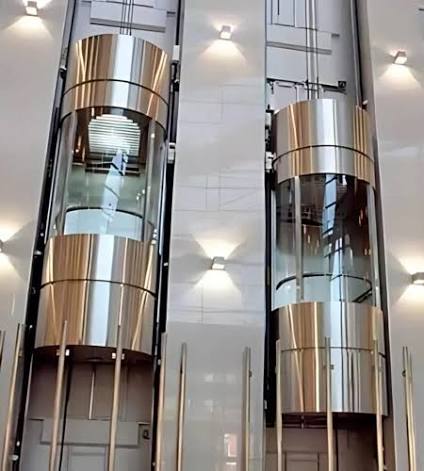
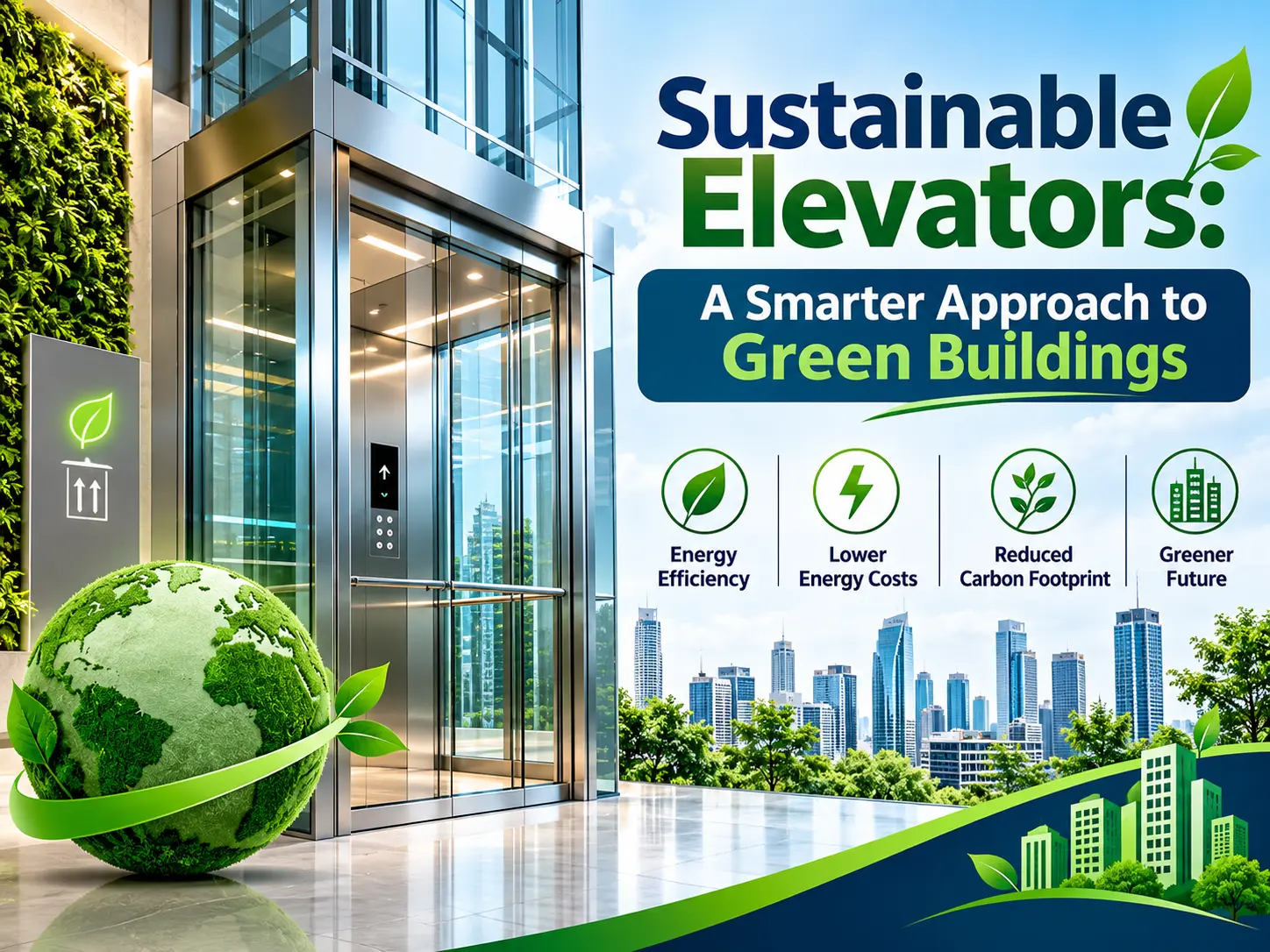

Buildings consume energy through lighting, air conditioning, ventilation and vertical transportation. Elevators are an essential part of this infrastructure, particularly in residential towers, commercial complexes and high-rise developments. Sustainable Elevators help reduce unnecessary energy consumption through efficient motors, intelligent controls, LED lighting and regenerative technology. When planning such systems, choosing experienced Elevator Companies in UAE can help developers identify suitable technologies for their building requirements.
As green construction becomes an important consideration for building developers, selecting appropriate elevator technology can support long-term operational efficiency. Understanding how these systems work, their environmental benefits and the features available helps property owners make informed decisions while planning new installations or upgrading existing equipment.
What Are Sustainable Elevators?
Sustainable Elevators are vertical transportation systems designed to minimise energy consumption, improve operational efficiency and reduce environmental impact throughout their lifecycle. During a new Elevator Installation Service, selecting energy-efficient technology can help building owners create more sustainable transportation systems.
They combine efficient mechanical components with modern electrical controls to optimise elevator movement and power usage. These systems can incorporate regenerative drives, standby modes, LED lighting and intelligent destination controls.
Key Technologies Used in Energy Efficient Elevators
Modern Energy Efficient Elevators use several technologies to improve performance and manage electricity consumption.
- Regenerative drives: Recover energy generated during certain elevator movements and feed it back into the building’s electrical system.
- Gearless motors: Can reduce mechanical losses compared with some traditional geared systems.
- LED lighting: Uses less electricity than conventional cabin lighting.
- Standby modes: Reduce power consumption when elevators are inactive.
- Intelligent controls: Optimise elevator movement and reduce unnecessary journeys.
Together, these features make Eco-Friendly Elevators a practical consideration for buildings seeking improved energy performance.
The Role of Elevators in Sustainable High-Rise Building Design
Elevators influence how efficiently people move throughout high-rise buildings. Their energy requirements, transportation capacity and operating schedules should be considered during the building design stage. Regular Lift and Escalator Maintenance Services also help maintain equipment performance and support efficient building operations.
Developers can incorporate Green Building Elevators by evaluating passenger traffic, lift capacity, travel height and expected usage.
For example, office towers experience higher passenger traffic during morning and evening hours. Destination control and traffic management technologies can help group passengers travelling to similar floors, reducing unnecessary stops and improving transportation efficiency.
What Are the Benefits of Sustainable Elevators?
The main benefits of Sustainable Elevators include:
- Lower energy consumption: Efficient motors, lighting and standby functions help manage electricity usage.
- Improved operational efficiency: Intelligent controls optimise elevator movement and passenger handling.
- Reduced environmental impact: Lower energy demand can contribute to reducing building-related carbon emissions, depending on the electricity source.
- Better passenger experience: Modern control systems can improve waiting times and traffic management.
- Long-term operating value: Efficient equipment can help manage ongoing electricity expenses.
These advantages make Energy Saving Elevators relevant to residential, commercial and mixed-use developments.
How to Choose the Right Sustainable Elevator System?
Selecting an appropriate elevator requires evaluating building requirements rather than focusing only on energy-saving features.
Consider these factors before installation:
- Building height: Determine the number of floors and required travel distance.
- Passenger capacity: Estimate daily traffic and expected transportation demand.
- Motor technology: Compare available traction systems and their energy performance.
- Control systems: Evaluate intelligent scheduling and destination control options.
- Maintenance requirements: Consider component availability, servicing and long-term operating conditions.
Combining these considerations with suitable Smart Elevator Systems can support practical and efficient building operations.
How Do Sustainable Elevators Support Green Building Goals?
Sustainable Building Solutions involve reducing resource consumption while maintaining building functionality and occupant comfort. Elevators contribute to these goals through efficient equipment selection, responsible material choices, energy monitoring and appropriate maintenance. Working with an experienced Elevator Company in UAE can help developers select suitable elevator technologies that align with their building’s energy efficiency and operational requirements.
Building developers should also evaluate elevator energy performance during planning and consider recognised assessment frameworks, such as the ISO 25745 series for the energy performance of lifts, escalators and moving walks.
Conclusion
Sustainable Elevators are becoming an important consideration in modern building design because they combine efficient transportation with responsible energy management. Regenerative drives, intelligent controls, efficient motors and LED lighting can help reduce unnecessary electricity consumption.
For developers and property owners, selecting the right system requires evaluating building height, passenger traffic, technical requirements and maintenance needs. Planning these factors early can support more efficient building operations. Regular Elevator AMC Service in Dubai can also help maintain equipment performance through planned inspections and timely maintenance. Consulting an experienced elevator installation and maintenance provider can help identify suitable technologies for individual projects.
Contact Us Today!
For enquiries about sustainable and energy-efficient elevator solutions, contact our team:
- Email: karsarliftsescalators@gmail.com
- Phone / WhatsApp: +971 55 946 0194
Get in touch with Karsar Elevators to discuss your project requirements and find the right elevator solution for your building.
Frequently Asked Questions
1. Do sustainable elevators consume less electricity?
Yes. Systems equipped with efficient motors, regenerative drives, LED lighting and standby functions can reduce electricity consumption compared with less efficient configurations. Actual savings depend on equipment design, passenger traffic, building height and operating conditions.
2. What is regenerative elevator technology?
Regenerative technology captures energy produced during certain elevator movements and converts it into electrical energy that can be reused within the building’s electrical system, reducing the amount of power drawn from the supply.
3. Are eco-friendly elevators suitable for commercial buildings?
Yes. They can be used in offices, hotels, shopping centres and other commercial developments. The appropriate system depends on passenger capacity, traffic patterns, building height and operational requirements.
4. Can existing elevators become more energy efficient?
Yes. Modernisation can introduce efficient drives, LED lighting, improved control systems and standby functions. The available upgrades depend on the existing elevator’s design, condition and compatibility.
5. Do smart elevator systems improve energy efficiency?
Smart systems can optimise elevator scheduling, manage passenger traffic and reduce unnecessary stops. Their effectiveness depends on building usage patterns, system configuration and the quality of the control technology.