


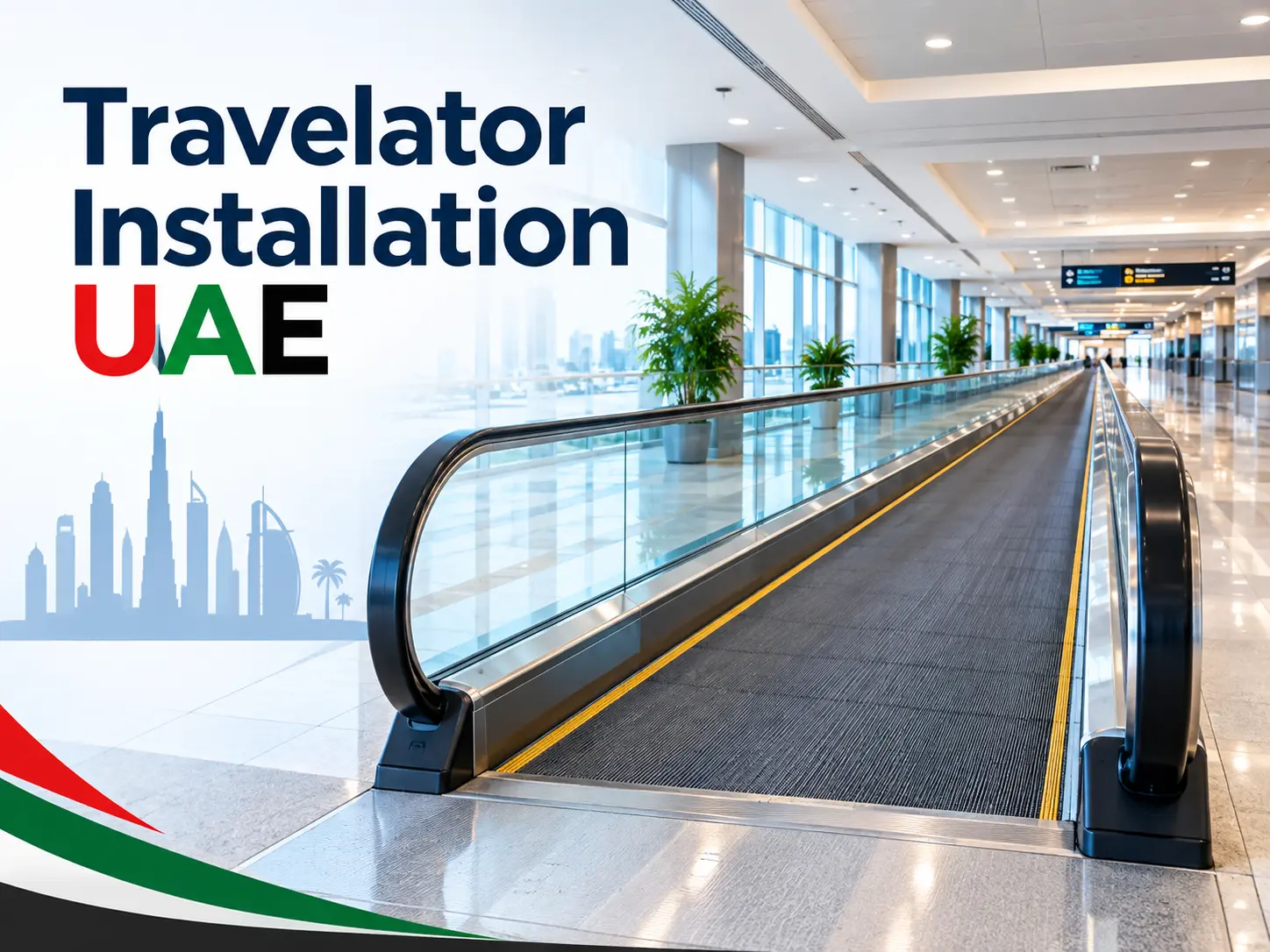

Moving people efficiently through large commercial spaces requires more than conventional stairs and elevators. Travelator Installation UAE is increasingly relevant for airports, shopping malls, metro stations, exhibition centres, hotels, and other high-traffic facilities where people need to cover longer distances comfortably.
A travelator, also called a moving walkway, is a powered conveyor system designed to transport pedestrians horizontally or along a gentle incline. When properly selected and installed, it can improve pedestrian flow, reduce walking effort, and make large buildings easier to navigate. An experienced Elevator Company in Dubai can also provide guidance on integrating travelators with other vertical transportation systems based on the building’s requirements.
This guide explains Travelator Installation UAE, how travelators work, their major components, benefits, installation considerations, safety features, and maintenance requirements.
What Is a Travelator and How Does It Work?
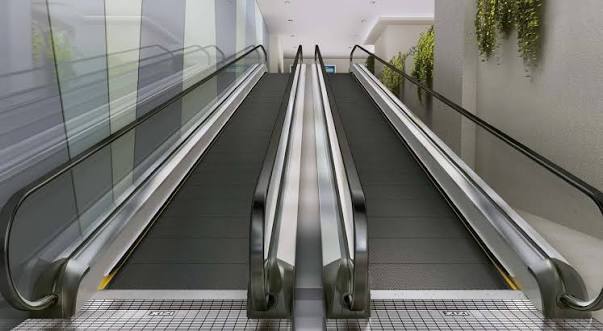
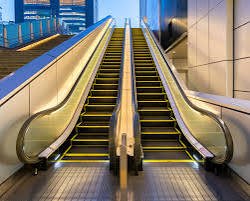
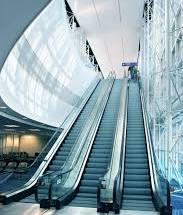
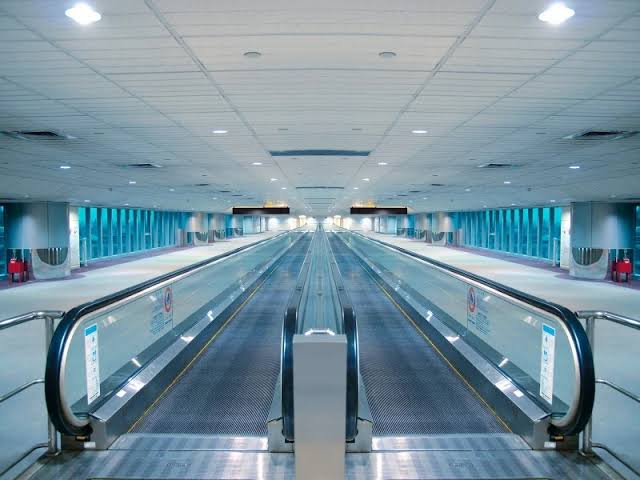
A travelator is a motor-driven moving walkway that continuously carries passengers along a designated route. Unlike an escalator, which primarily moves people between different floors, a travelator is generally used to move people across large horizontal or gently inclined areas.
A typical Travelator System UAE installation includes:
- Moving walkway pallets or belt
- Drive motor and gearbox
- Handrail system
- Balustrades and side panels
- Control system
- Safety sensors and emergency stop devices
- Entry and exit zones
- Structural support and guide components
The motor drives the moving surface while the handrails move at a coordinated speed. Passengers step onto the walkway, hold the handrail if needed, and travel toward the destination without walking the entire distance. An experienced Elevator Company in Fujairah can provide suitable guidance on travelator systems, installation requirements, maintenance, and related vertical transportation solutions.
Where Are Travelators Used in UAE?
Travelators are particularly useful in buildings where visitors need to move between distant entrances, terminals, retail areas, or facilities.
Common applications include:
- Airports and passenger terminals
- Shopping malls
- Metro and railway stations
- Exhibition and convention centres
- Large hotels and resorts
- Hospitals and healthcare facilities
- Commercial complexes
- Parking areas connected to buildings
An Airport Travelator UAE project, for example, may connect terminals, gates, baggage areas, and other passenger zones where walking distances can be considerable. Elevator Services in UAE can also support integrated passenger-transportation solutions, including installation, maintenance, inspection, and repair requirements.
What Are the Benefits of Travelator Installation UAE?
A properly planned Travelator Installation UAE project can provide several practical advantages for building owners and visitors.
1. Improved Pedestrian Movement
Travelators continuously move passengers, helping reduce walking effort and supporting smoother movement through busy areas.
2. Better Accessibility
They can make long routes easier for elderly passengers, travellers carrying luggage, and people who may find extended walking difficult.
3. Efficient Use of Large Spaces
In airports, malls, and transportation facilities, travelators can connect distant sections without requiring passengers to walk the entire route.
4. Convenient Passenger Experience
A comfortable moving walkway can make navigation easier, particularly when visitors are carrying bags or travelling through large facilities.
5. Suitable for High-Traffic Locations
Commercial travelators can be designed for environments where continuous pedestrian movement is expected throughout the day.
Key Factors to Consider Before Installation
Choosing a travelator involves more than selecting equipment. The building layout, passenger volume, available space, operating environment, and maintenance requirements should all be considered.
Important factors include:
Location and available space: The installation area must accommodate the travelator, entrances, exits, safety zones, and required structural elements.
Expected passenger traffic: The system should be selected according to the expected number of users and operating conditions.
Travel distance and inclination: Horizontal and inclined applications may require different configurations and equipment specifications.
Building design: The travelator should integrate properly with floors, entrances, surrounding structures, and pedestrian pathways.
Safety requirements: Emergency stops, sensors, handrails, lighting, and other applicable safety provisions should be incorporated into the design.
Maintenance access: Technicians should have suitable access to important mechanical and electrical components for inspection and servicing.
How Does Moving Walkway Installation UAE Usually Work?
The exact installation process depends on the building and equipment specification, but a typical project involves several stages.
1. Site Assessment
The installation team evaluates the available space, floor conditions, route, passenger flow, electrical requirements, and structural considerations.
2. System Selection and Design
The appropriate travelator configuration is selected based on the application, dimensions, traffic requirements, and building layout.
3. Structural Preparation
Required supports, openings, electrical connections, and other site preparations are completed before equipment installation.
4. Equipment Installation
The main travelator structure, drive mechanism, moving surface, handrails, balustrades, and control systems are installed.
5. Safety Testing
Safety devices and operational controls are checked before the system is placed into service.
6. Commissioning
The completed system is tested under operating conditions and handed over after the required checks are completed.
Travelator Safety Features to Look For
Safety should be considered throughout design, installation, operation, and maintenance. Depending on the equipment and applicable requirements, a travelator may include features such as:
- Emergency stop controls
- Safety sensors
- Handrail monitoring
- Overload protection
- Entry and exit safety zones
- Anti-entrapment provisions
- Direction and warning indicators
- Protective barriers where required
The specific safety configuration should be determined according to the equipment design and applicable UAE requirements.
Why Is Travelator Maintenance Important?
Regular Travelator Maintenance UAE helps identify wear, abnormal operation, and component issues before they develop into larger problems. Maintenance requirements vary according to equipment type, operating hours, usage, and manufacturer recommendations. An experienced Elevator Company in Ajman can also provide guidance on suitable maintenance schedules, inspections, repairs, and passenger-transportation system requirements.
Routine inspections may include checking:
- Moving pallets or belt
- Drive and gearbox components
- Handrails
- Rollers and guides
- Sensors and safety devices
- Electrical connections
- Emergency stop systems
- Unusual noise or vibration
Building operators should follow the manufacturer’s maintenance recommendations and applicable safety requirements rather than relying only on repairs after a breakdown.
How to Choose a Travelator Supplier in UAE
When selecting a Travelator Supplier UAE, building owners and project managers should consider technical capability, equipment compatibility, installation experience, documentation, spare-parts availability, and after-sales support.
Before choosing a supplier, ask about:
- Equipment specifications and application suitability
- Installation methodology
- Safety and compliance documentation
- Warranty terms
- Preventive maintenance support
- Spare-parts availability
- Response procedures for service requirements
A supplier should be able to explain the proposed system clearly rather than simply providing an equipment price.
Travelator vs Escalator: Which One Is Suitable?
Travelators and escalators serve different purposes.
| Feature | Travelator | Escalator |
| Main purpose | Horizontal or gentle movement | Movement between floors |
| Typical locations | Airports, malls, terminals | Malls, stations, commercial buildings |
| Passenger luggage | Convenient for luggage | Less convenient for large luggage |
| Route | Mainly horizontal/inclined | Primarily vertical |
| Best application | Long walking distances | Floor-to-floor movement |
The appropriate choice depends on the building layout and pedestrian movement requirements.
Conclusion
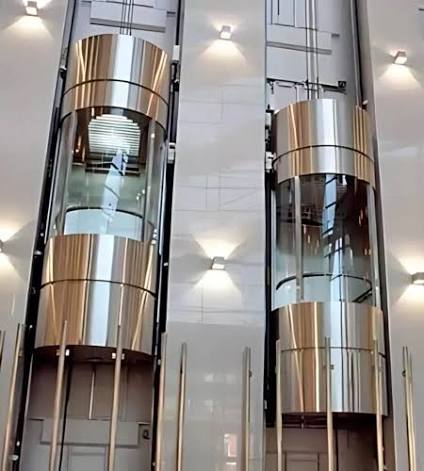
Travelator Installation UAE can be a practical solution for commercial facilities where visitors need to travel across long distances efficiently and comfortably. Airports, malls, metro stations, hotels, and exhibition centres can benefit from appropriately designed moving walkway systems. These systems can also be integrated with other passenger transportation solutions, including مصعد, to support smooth and convenient movement throughout large facilities.
The right solution depends on passenger traffic, building layout, available space, safety requirements, equipment specifications, and long-term maintenance needs. Working with an experienced elevator and mobility solutions provider can help ensure that the system is properly planned, installed, tested, and maintained for its intended application. Explore more to learn about suitable elevator, travelator, installation, maintenance, and mobility solutions for different facilities.
E-mail: karsarliftsescalators@gmail.com
Phone: +971 55 946 0194
FAQs
What is the purpose of a travelator?
A travelator transports pedestrians across horizontal or gently inclined routes using a continuously moving surface. It is commonly used in airports, malls, metro stations, and other large facilities to reduce walking effort and improve movement between distant areas.
How long does travelator installation take?
Installation time depends on the travelator size, site conditions, structural preparation, equipment availability, and project complexity. A proper site assessment is required before providing a realistic installation schedule.
Are travelators suitable for airports?
Yes. Travelators are commonly considered for large passenger facilities because they can help people cover long distances more comfortably. Their design should account for passenger volume, luggage movement, available space, and applicable safety requirements.
How often should a travelator be maintained?
Maintenance frequency depends on the manufacturer’s recommendations, operating hours, passenger traffic, and equipment condition. High-use commercial installations may require more frequent inspections than lightly used systems.
What should I check before buying a travelator?
Consider the intended application, dimensions, passenger volume, installation requirements, safety features, maintenance support, warranty, spare-parts availability, and supplier experience. The system should also be compatible with the building’s design and applicable requirements.
Can travelators be installed in existing buildings?
Yes, depending on the available space and structural conditions. Existing buildings may require additional structural, electrical, and architectural preparation before installation. A professional site assessment should be completed before finalizing the design.