

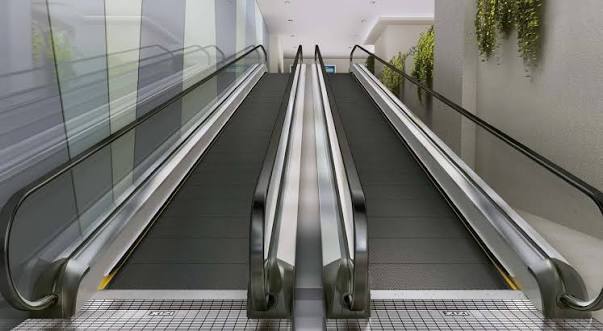
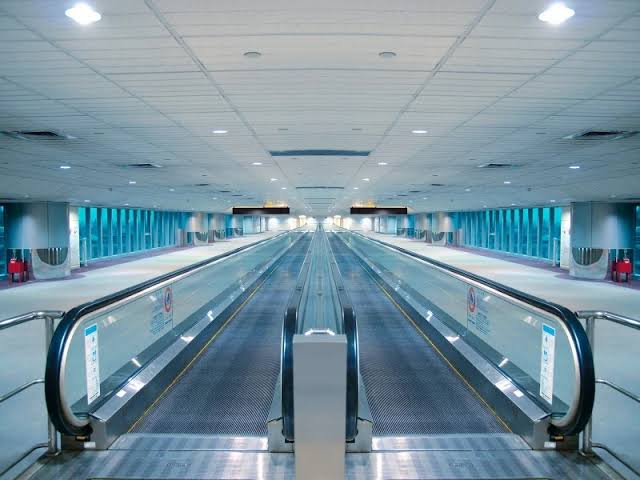
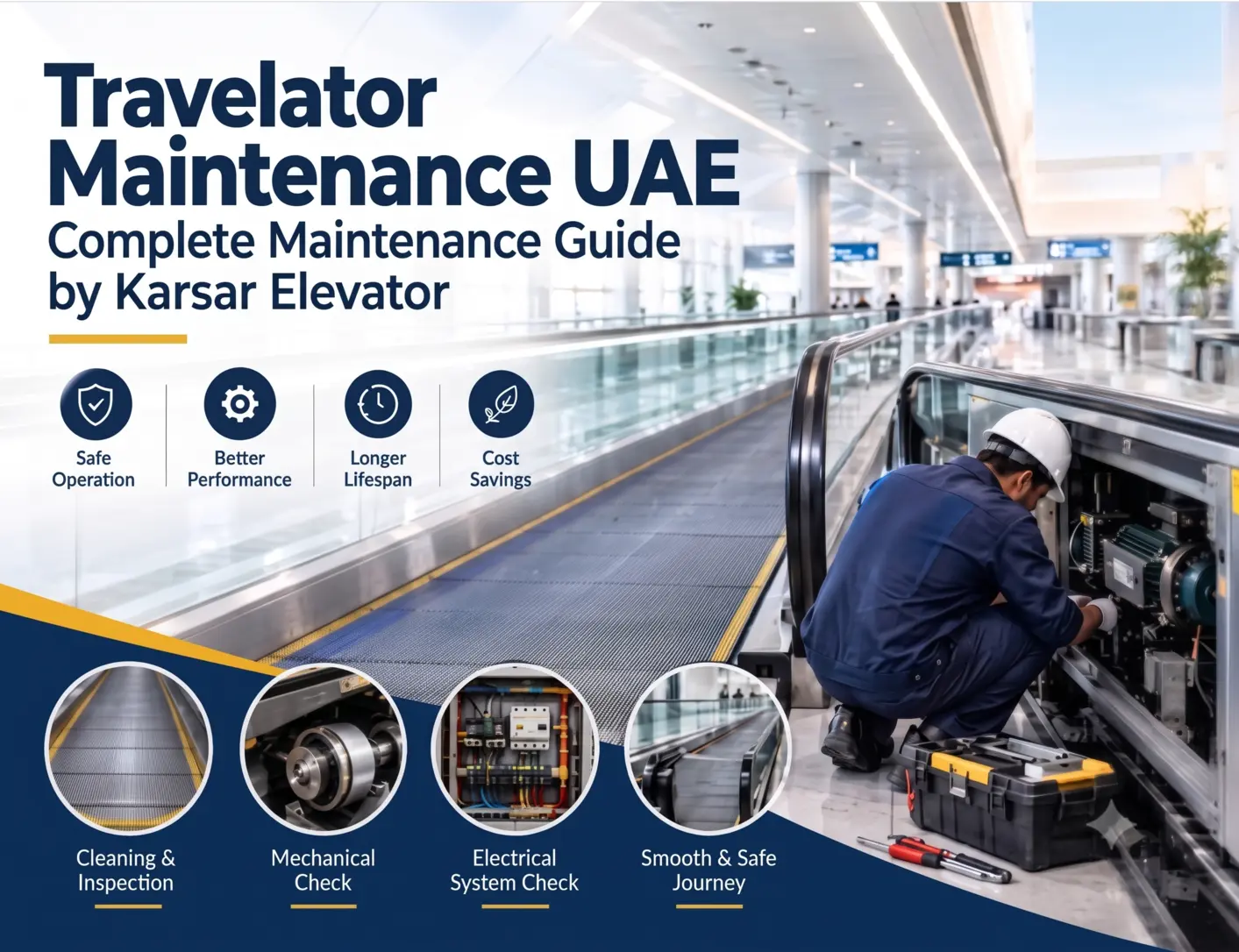

Travelators, also known as moving walkways, are widely used in airports, shopping malls, commercial buildings, retail centres and other locations where people need to move efficiently across longer distances. Because these systems operate continuously in many high-traffic environments, regular Travelator Maintenance UAE is essential for reliable performance, passenger safety and controlled equipment wear.
A proper maintenance programme is more than fixing a travelator after it stops working. It includes routine inspections, cleaning, adjustment, testing, preventive servicing and timely replacement of worn components. The maintenance approach should also consider the equipment design, operating hours, passenger volume, manufacturer recommendations and site conditions.
This guide explains what travelator maintenance includes, why preventive servicing matters, which components require attention, common problems, inspection considerations and how building owners can plan an effective maintenance programme.
What Is Travelator Maintenance?
Travelator maintenance is the planned inspection, servicing, cleaning, adjustment and repair of a moving walkway to keep its mechanical, electrical and safety systems operating correctly.
Regular maintenance can help identify developing faults before they cause unexpected shutdowns. Depending on the equipment, technicians may inspect the drive system, moving surface, handrails, rollers, sensors, safety devices, electrical controls and other components.
For commercial facilities, maintenance should be based on actual equipment usage rather than relying only on a fixed calendar schedule.
Why Is Travelator Maintenance Important in the UAE?
Regular Travelator Maintenance UAE helps reduce avoidable equipment problems and supports safe operation in busy facilities. A travelator may experience frequent starts, stops, passenger loading and continuous operation, particularly in airports and shopping centres.
Key benefits include:
- Improved equipment reliability
- Early identification of worn components
- Reduced unexpected downtime
- Better passenger safety
- More consistent operating performance
- Better control of repair requirements
- Support for longer equipment service life
- Improved maintenance planning
The operating environment should also be considered. Dust, cleaning activity, heavy passenger traffic and frequent daily operation can affect maintenance requirements. The correct service frequency should therefore be determined from the equipment condition, manufacturer guidance and actual site usage.
What Does Travelator Maintenance Include?
A professional maintenance programme normally covers several areas rather than focusing on one component.
1. Moving Surface Inspection
The moving surface, whether pallet- or belt-based, should be checked for visible damage, abnormal movement, alignment issues and unusual operating conditions.
Technicians can also check whether the moving surface is tracking correctly and whether there are signs of excessive wear.
2. Handrail Inspection
The handrail is an important passenger-contact component. Inspection may include checking its movement, condition, alignment and interaction with the travelator system.
Unusual noise, slipping or inconsistent movement should be investigated rather than ignored.
3. Drive System and Mechanical Components
The drive system transfers power to the moving walkway. Maintenance can include inspection of motors, drive components, chains, bearings, rollers and other mechanical parts according to the equipment design.
Early identification of abnormal vibration, noise or wear can help prevent more extensive mechanical problems.
4. Safety Devices and Controls
Safety-related components and control systems require careful inspection and functional testing. These may include emergency stop devices, sensors, monitoring systems and other protective functions installed on the travelator.
Any safety-related fault should be assessed and corrected by qualified technicians before normal operation resumes.
5. Cleaning and General Condition
Dust, debris and accumulated dirt can affect mechanical areas and moving components. Routine cleaning is therefore an important part of servicing, although cleaning methods should follow the manufacturer’s recommendations.
Maintenance teams should also check accessible areas for loose parts, unusual contamination or visible damage.
How Often Should a Travelator Be Serviced?
There is no single maintenance interval that applies to every travelator. The appropriate schedule depends on factors such as operating hours, passenger traffic, equipment age, manufacturer recommendations, environmental conditions and previous maintenance history.
A practical maintenance programme may include:
- Routine visual checks – Identify obvious damage, unusual sounds or operational issues.
- Scheduled preventive servicing – Inspect and service mechanical, electrical and safety components.
- Detailed inspections – Examine component condition and identify developing faults.
- Corrective maintenance – Repair or replace components when defects are identified.
- Periodic performance review – Review recurring faults, downtime and maintenance records.
For heavily used facilities, Travelator Preventive Maintenance becomes particularly important because repeated operation can increase component wear.
Common Travelator Problems and Their Causes
Travelator problems can have different causes, so a visible symptom should not automatically be treated as the underlying fault.
Common issues include:
- Unusual noise or vibration
- Irregular movement
- Handrail movement problems
- Moving surface alignment issues
- Frequent safety stops
- Sensor or control faults
- Worn rollers or mechanical components
- Drive-system problems
- Electrical faults
- Excessive component wear
For example, unusual noise may result from a worn mechanical component, misalignment or another issue within the drive system. A professional inspection is needed to identify the actual cause.
This is why Travelator Repair UAE should generally begin with fault diagnosis rather than immediate component replacement.
Travelator Inspection: What Should Technicians Check?
A Travelator Inspection UAE programme should evaluate the overall condition of the system rather than checking only visible parts.
Important inspection areas can include:
- Moving surface condition
- Handrail operation
- Drive and transmission components
- Rollers and bearings
- Electrical connections
- Control systems
- Sensors and safety devices
- Emergency stop functions
- Unusual noise or vibration
- Alignment and movement
- Signs of excessive wear
Applicable inspection and safety requirements can vary by project and jurisdiction, so building owners should confirm the requirements relevant to their emirate and equipment.
For energy performance, ISO 25745-1:2023 provides methods for measuring and verifying energy consumption of lifts, escalators and moving walks. ISO 25745-3:2015 specifically addresses energy calculation and classification for escalators and moving walks and was confirmed as current in 2025.
Travelator Maintenance for Malls, Airports and Commercial Buildings
Commercial facilities often require a more structured maintenance approach because travelators may operate for long periods and serve significant passenger volumes.
A suitable Commercial Travelator Maintenance UAE programme should consider:
- Daily operating hours
- Passenger traffic
- Number of travelators at the facility
- Equipment age
- Manufacturer and model
- Previous breakdown history
- Availability of replacement components
- Access for maintenance work
- Required response time
- Site safety procedures
Airports, malls and large commercial facilities can benefit from documented maintenance schedules and service records. These records help facility managers track recurring faults, component replacements and future maintenance requirements.
Travelator Maintenance vs Repair: What Is the Difference?
Maintenance is preventive and planned, while repair is generally corrective.
Maintenance involves routine inspection, servicing, cleaning, adjustment and testing intended to keep equipment operating properly.
Repair is performed when a fault, damaged component or performance problem needs to be corrected.
A good maintenance programme does not eliminate every possible breakdown, but it can help identify developing problems earlier. When a fault occurs, Travelator Service UAE should include proper diagnosis before corrective work is carried out.
What Factors Affect Travelator Maintenance Cost?
Travelator maintenance cost varies according to the equipment and service requirements. There is no universal price for every Travelator installation.
Important cost factors include:
- Travelator type and configuration
- Equipment age and condition
- Operating hours
- Passenger traffic
- Number of units
- Maintenance frequency
- Required spare parts
- Component wear
- Emergency repair requirements
- Contract scope
- Site access and working conditions
For this reason, comparing maintenance quotations only by price can be misleading. Building owners should also review the scope of work, inspection frequency, response arrangements, spare-parts support and documentation included in the agreement.
How to Choose a Travelator Maintenance Company in UAE
When selecting a Travelator Maintenance Company UAE, look at technical capability and the actual scope of service rather than focusing only on the advertised price.
Consider whether the provider can support:
- Preventive maintenance
- Inspection and troubleshooting
- Mechanical and electrical servicing
- Component replacement
- Emergency repair
- Maintenance documentation
- Spare-parts requirements
- AMC arrangements
- Technical support
Karsar Elevator provides Travelator Service solutions for airports, shopping malls, commercial complexes and other high-traffic environments, along with maintenance, repair, modernization, inspection and AMC capabilities across its wider vertical transportation service portfolio.
Travelator Maintenance Tips for Building Owners
Building owners and facility managers can support better equipment performance by following a few practical steps:
- Keep a documented maintenance schedule.
- Follow the manufacturer’s maintenance recommendations.
- Report unusual sounds, vibration or movement promptly.
- Do not ignore recurring safety stops or faults.
- Keep the travelator area clear of debris and obstructions.
- Maintain records of inspections and repairs.
- Use qualified technicians for technical servicing.
- Review recurring component failures to identify underlying issues.
These steps work alongside professional maintenance rather than replacing it.
Conclusion
Effective Travelator Maintenance UAE requires a planned approach covering inspection, preventive servicing, safety checks, component condition and timely corrective work. The right maintenance schedule depends on equipment type, operating conditions, passenger traffic, manufacturer guidance and the facility’s requirements.
For malls, airports, commercial buildings and other busy locations, regular servicing can help reduce avoidable downtime and identify equipment issues before they become more significant. Karsar Elevator provides travelator-related maintenance, repair, inspection and AMC support for UAE facilities. A professional site assessment can help determine the appropriate maintenance scope and service schedule for an existing travelator system.
Frequently Asked Questions
1. What does travelator maintenance include?
Travelator maintenance can include inspection, cleaning, adjustment, functional testing and servicing of mechanical, electrical and safety components. Depending on the equipment, technicians may inspect the moving surface, handrails, rollers, drive components, sensors, controls and emergency safety devices.
2. How often should a travelator be maintained?
The required frequency depends on manufacturer recommendations, operating hours, passenger traffic, equipment age, condition and site environment. High-traffic travelators may require a more structured preventive maintenance programme than lightly used systems.
3. What are common signs that a travelator needs servicing?
Common warning signs include unusual noise, vibration, irregular movement, handrail problems, repeated safety stops, visible component wear and unexpected shutdowns. These symptoms should be assessed by a qualified technician to determine the actual cause.
4. What is the difference between travelator maintenance and repair?
Maintenance is planned work intended to keep the system operating reliably and identify developing problems. Repair is corrective work carried out after a fault, damaged component or operational problem has been identified.
5. Is an AMC useful for commercial travelators?
An AMC can provide a structured framework for recurring inspections and preventive servicing. The value depends on what the contract includes, such as service frequency, response arrangements, inspections, repairs, spare parts and documentation.
6. Can travelator maintenance UAE improve equipment reliability?
Regular preventive servicing can help identify worn components, abnormal operating conditions and developing faults earlier. It does not guarantee that breakdowns will never occur, but it can support more predictable maintenance and reduce avoidable equipment problems.
7. Does Karsar Elevator provide travelator maintenance UAE?
Karsar Elevator provides Travelator Service solutions for airports, shopping malls, commercial complexes and other high-traffic environments. Its wider service portfolio includes maintenance, repair, modernization, inspection and AMC support for vertical transportation systems across the UAE.