

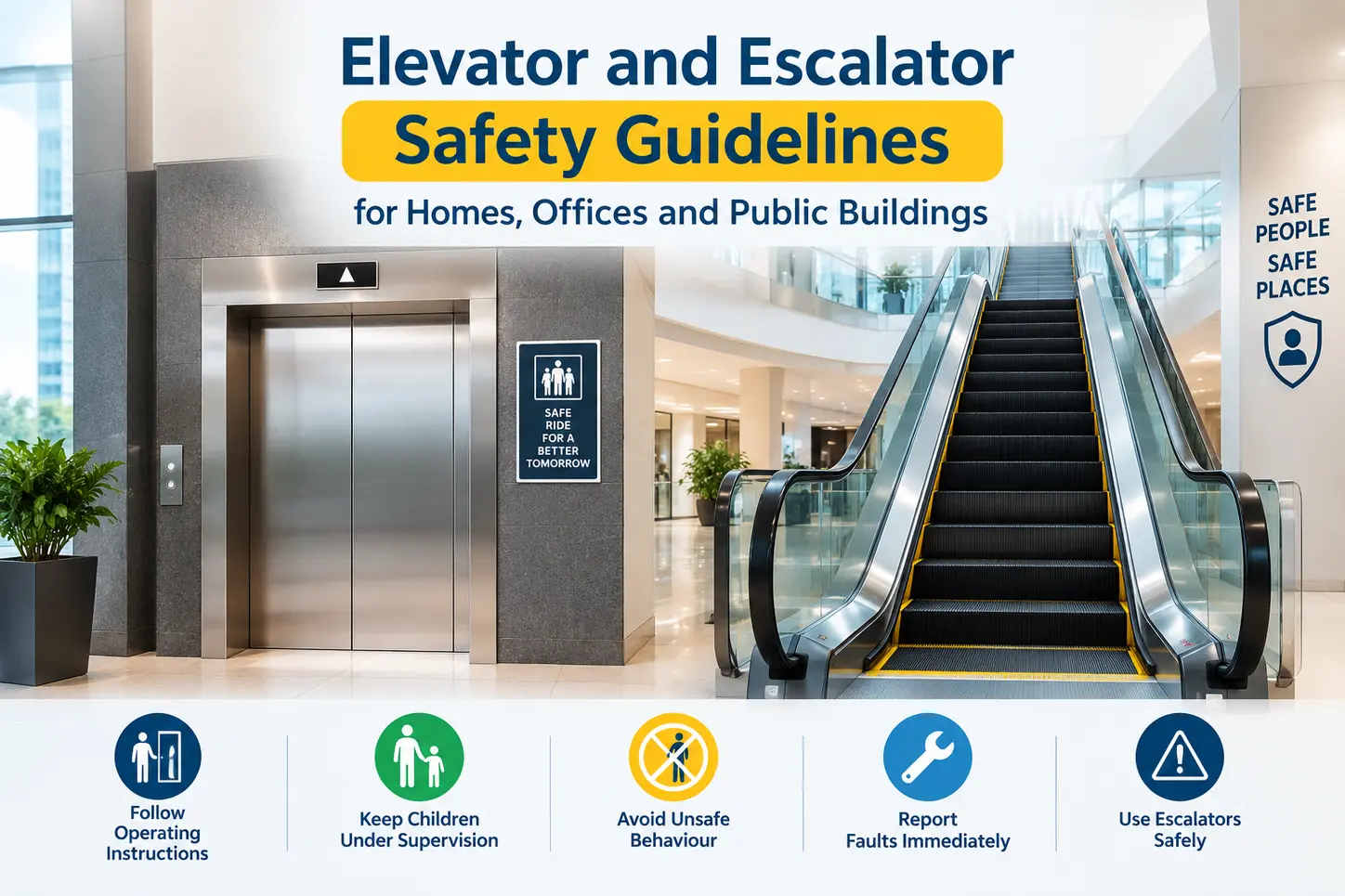

Elevators and escalators make movement between floors faster and more convenient, but safe operation depends on both proper equipment maintenance and responsible passenger behavior. Following Elevator and Escalator Safety Guidelines can help passengers, building owners, facility managers, and families reduce avoidable risks during everyday use.
Safety requirements can differ according to equipment type, building use, manufacturer instructions, and applicable local regulations. In the UAE, elevator companies in UAE follow applicable requirements for escalators and moving walkways, including protection measures, warning signs, safety devices, and periodic maintenance. These requirements help support safe and reliable operation across different commercial, residential, and public-use buildings.
This guide explains practical Elevator Safety Guidelines for homes, offices, shopping centres, commercial properties, and other public buildings, along with common mistakes and emergency precautions.
Why Are Elevator and Escalator Safety Guidelines Important?
Elevator and Escalator Safety Guidelines provide practical instructions for using vertical transportation equipment correctly and responding appropriately when something goes wrong. They cover passenger behavior, equipment safety, emergency procedures, and maintenance responsibilities.
Following these guidelines is important because:
- Elevators carry people and goods between different levels.
- Escalators contain moving steps, handrails, and mechanical components.
- Improper passenger behavior can increase the risk of falls or entrapment.
- Children may require additional supervision around elevators and escalators.
- Regular inspection and maintenance help identify developing equipment problems.
Safety is therefore a shared responsibility between passengers, building owners, facility managers, elevator installation teams, maintenance teams, and equipment manufacturers.
Elevator Safety Tips for Homes and Residential Buildings
Residential elevators require particular attention because children, visitors, elderly passengers, and people unfamiliar with the equipment may use them.
1. Keep children supervised
Children should not play inside or around an elevator. Parents and caregivers should explain that elevator doors, landing entrances, and controls are not areas for games.
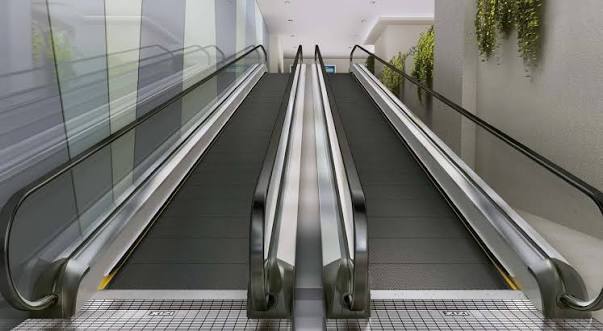
For residential elevators, door arrangements and clearances should also be inspected by qualified professionals where there are safety concerns. The U.S. Consumer Product Safety Commission has specifically warned about child entrapment hazards associated with certain residential elevator door configurations. Similar attention to safety is also important when planning or maintaining Travelator Services in UAE, particularly for equipment used in high-traffic public and commercial environments.
2. Keep hands and belongings away from doors
Passengers should stand clear while doors open and close. Do not attempt to stop closing doors by placing hands, feet, bags, or other objects between them.
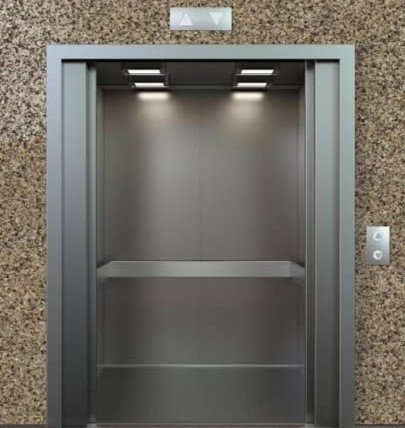
Elevator Door Safety also means reporting doors that repeatedly reopen, close unevenly, make unusual sounds, or appear damaged.
3. Do not exceed the rated capacity
Every elevator has a specified passenger or load capacity. Avoid exceeding the displayed limit, particularly when moving furniture, equipment, or heavy materials.
4. Keep the landing area clear
The area outside an elevator should remain free from stored materials, obstacles, water, or debris. A clear landing makes it easier for passengers to enter and exit safely.
Office and Commercial Elevator Safety
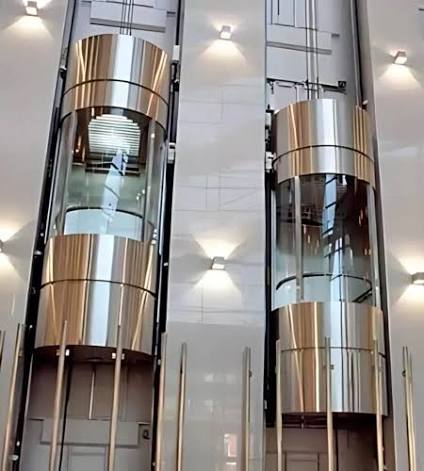
Busy offices, hotels, hospitals, malls, and commercial buildings can experience high passenger traffic. This makes Office Elevator Safety an important part of everyday building management.
Passengers should:
- Allow passengers to exit before entering.
- Stand away from the doors when the car is crowded.
- Avoid blocking door sensors.
- Hold packages securely.
- Use designated service or goods elevators when required.
- Report unusual movement, noise, vibration, or door behavior.
- Follow posted instructions and emergency notices.
Building managers should also ensure that maintenance, inspection, and elevator installation services are carried out according to applicable requirements and the equipment manufacturer’s recommendations.
Escalator Safety Rules Passengers Should Follow
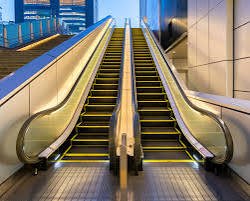
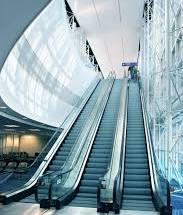
Escalators operate continuously and have moving steps, handrails, comb plates, and other mechanical parts. Basic Escalator Safety Guidelines focus on maintaining balance, holding the handrail, and keeping clothing and belongings away from moving components.
Important Escalator Safety Tips include:
- Face forward while travelling.
- Hold the handrail when using the escalator.
- Stand securely on the step.
- Keep feet away from the sides of the steps.
- Keep loose clothing, shoelaces, and bags away from moving parts.
- Do not sit on escalator steps.
- Do not run or play on an escalator.
- Hold children’s hands when appropriate.
- Pay attention when entering and leaving the escalator.
The U.S. CPSC similarly advises passengers to face forward, hold the handrail, keep children close, avoid the sides of steps, and ensure footwear is properly secured.
Escalator Handrail Safety
The handrail is designed to provide stability while travelling. Passengers should use it rather than leaning against moving panels or attempting to balance without support.
If an escalator has an obvious malfunction, unusual movement, damaged component, or other unsafe condition, passengers should move away from the equipment and report the issue to building staff.
Public Building Safety: Malls, Stations and Hotels
Public Elevator Safety becomes especially important in places where many unfamiliar passengers use the equipment throughout the day.
Shopping centres, hotels, airports, hospitals, and other public facilities should provide clear safety instructions and keep emergency controls identifiable and accessible to authorised personnel.
Passengers should:
- Follow warning signs and instructions.
- Keep children supervised.
- Avoid overcrowding.
- Do not force elevator doors open.
- Use escalator handrails.
- Keep luggage and personal belongings under control.
- Report damaged equipment immediately.
- Follow staff instructions during an emergency.
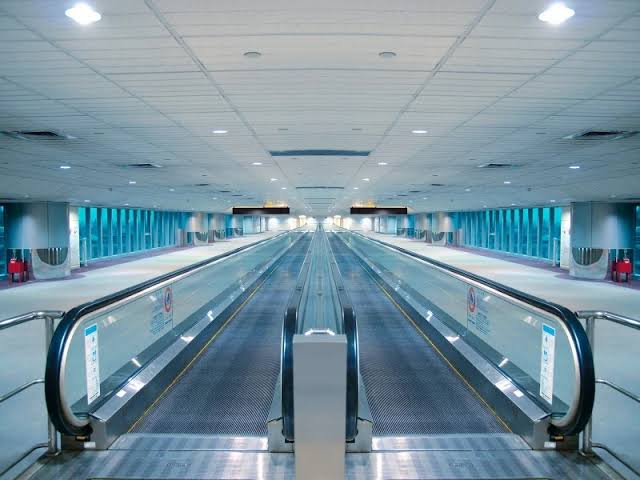
For escalators and moving walkways, UAE requirements include safety measures, warning signs, signals, and devices intended to reduce risks to users.
What Should You Do During an Elevator Emergency?
A common mistake during an elevator problem is attempting to force the doors open or leave the elevator without professional assistance.
Basic Elevator Emergency Procedures include:
- Stay calm and avoid unnecessary movement.
- Use the emergency alarm or communication system if available.
- Contact the building’s security, facility team, or emergency service as appropriate.
- Do not attempt to climb out of the elevator yourself.
- Follow instructions from trained personnel.
- Keep away from the doors until assistance arrives.
If an elevator stops between floors, the safest response is generally to remain inside and use the available communication or alarm system rather than attempting an unauthorised exit.
What Should Building Owners and Facility Managers Check?
Passenger behavior is only one part of Elevator and Escalator Safety Guidelines. Equipment condition and planned maintenance are equally important.
Facility managers should pay attention to:
- Door operation and safety devices
- Emergency alarm and communication systems
- Unusual noise or vibration
- Escalator steps and handrails
- Comb plate condition
- Warning signs and instructions
- Lighting around entrances and exits
- Cleanliness of equipment areas
- Reported passenger complaints
- Scheduled inspection and maintenance records
UAE regulations place maintenance-related obligations on owners of public-use escalators and require cooperation with competent authorities regarding inspection reports and related documentation.
Common Elevator and Escalator Safety Mistakes
Even properly maintained equipment can be used incorrectly. Common mistakes include:
- Holding elevator doors open with objects.
- Running into an elevator at the last moment.
- Exceeding the elevator’s rated capacity.
- Allowing children to play around elevator entrances.
- Standing too close to escalator sides.
- Sitting on escalator steps.
- Ignoring unusual sounds or movement.
- Attempting to repair equipment without qualified personnel.
- Blocking emergency access or controls.
- Continuing to use equipment that has been identified as unsafe.
Small unsafe behaviors can become more serious when equipment is crowded or when passengers are distracted.
How Can Buildings Improve Elevator and Escalator Safety?
A practical safety program combines Elevator Safety Tips for users with proper technical maintenance.
For passengers
- Follow posted instructions.
- Use equipment as intended.
- Supervise children.
- Report faults quickly.
- Never attempt unauthorised repairs or rescue.
For building owners
- Maintain equipment according to applicable requirements.
- Keep inspection and maintenance records.
- Respond to reported faults promptly.
- Ensure warning signs remain visible.
- Use qualified maintenance personnel.
- Review recurring faults rather than repeatedly treating symptoms.
Regular maintenance is particularly important for public-use escalators. UAE requirements specifically address periodic maintenance intended to support safe use throughout the product’s service life.
Elevator vs Escalator Safety: What Should Passengers Remember?
| Elevator | Escalator |
| Stand clear of closing doors | Hold the handrail |
| Do not exceed capacity | Face forward |
| Keep children supervised | Keep feet away from step edges |
| Use emergency communication when necessary | Do not sit or play on steps |
| Never force doors open | Keep loose clothing and belongings clear |
| Report unusual operation | Report faults to building staff |
The equipment is different, but the basic principle is the same: use the equipment correctly, follow warning instructions, and report unsafe conditions promptly.
Conclusion
Following Elevator and Escalator Safety Guidelines is a practical way to promote safer everyday use in homes, offices, commercial properties, and public buildings. Passengers should follow basic operating rules, supervise children, respect warning signs, and report unusual equipment behavior promptly.
For building owners and facility managers, passenger awareness should be supported by appropriate inspection, preventive maintenance, safety checks, and qualified technical support from an Elevator Company in Abu Dhabi. A consistent approach helps keep elevators and escalators operating as intended while addressing developing issues before they become larger operational concerns.
For professional elevator, escalator, installation, maintenance, or inspection requirements in the UAE, building owners can consult a qualified vertical transportation service provider and arrange an assessment based on the equipment and site requirements.
Frequently Asked Questions
1. What are the most important elevator safety rules?
The most important rules include staying within the rated capacity, allowing passengers to exit before entering, keeping clear of closing doors, supervising children, and following emergency instructions. Passengers should never force elevator doors open or attempt to leave a stalled elevator without appropriate assistance.
2. How can children stay safe around home elevators?
Children should be supervised around residential elevators and should not play with doors, controls, or entrances. Home elevator owners should also have the equipment professionally inspected if there are concerns about door clearances or other safety hazards. Particular attention is warranted where young children regularly use the elevator.
3. What should you do if an elevator gets stuck?
Stay inside the elevator, remain calm, and use the alarm or communication system if available. Contact building management or emergency assistance and follow their instructions. Do not force the doors open, climb through the opening, or attempt an unauthorised rescue.
4. What are the main escalator safety rules?
Passengers should face forward, hold the handrail, stand securely, keep feet and belongings away from the sides of steps, and avoid running or sitting on the escalator. Children should be supervised, particularly when entering or leaving the equipment.
5. Why is escalator maintenance important?
Escalator maintenance helps identify and address mechanical, electrical, and safety-related issues before they affect normal operation. UAE requirements for public-use escalators include periodic maintenance and safety measures intended to support safe use.
6. Who is responsible for elevator and escalator safety?
Safety is shared among passengers, building owners, facility managers, maintenance providers, manufacturers, and relevant authorities. Passengers must use equipment correctly, while owners and responsible building teams must arrange appropriate maintenance, inspections, safety measures, and corrective action.
7. Should passengers repair an elevator or escalator themselves?
No. Elevator and escalator equipment contains specialised mechanical, electrical, and safety systems. Faults should be assessed and repaired by appropriately qualified personnel. Passengers should report problems to building management or the responsible maintenance team rather than attempting repairs themselves.