

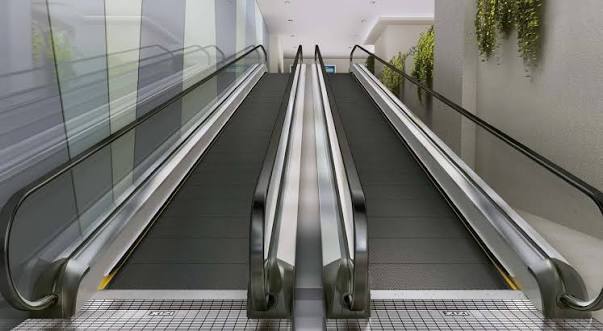
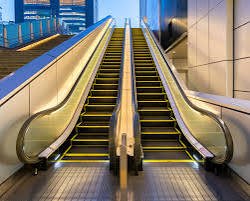
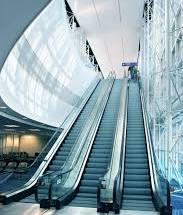

Escalators operate continuously in places such as shopping malls, metro stations, hotels, airports, commercial buildings, and other high-traffic facilities. Regular servicing helps identify mechanical, electrical, and safety-related issues before they affect daily operation. Escalator Maintenance and Repair Services in UAE typically involve inspection, cleaning, adjustment, testing, component servicing, fault diagnosis, and repair based on the equipment’s condition and manufacturer requirements.
For building owners and facility managers, the objective is not simply to fix an escalator after a breakdown. A planned maintenance approach can help support safe operation, reduce unexpected downtime, and identify worn components before they develop into larger problems.
What Do Escalator Maintenance and Repair Services in UAE Include?
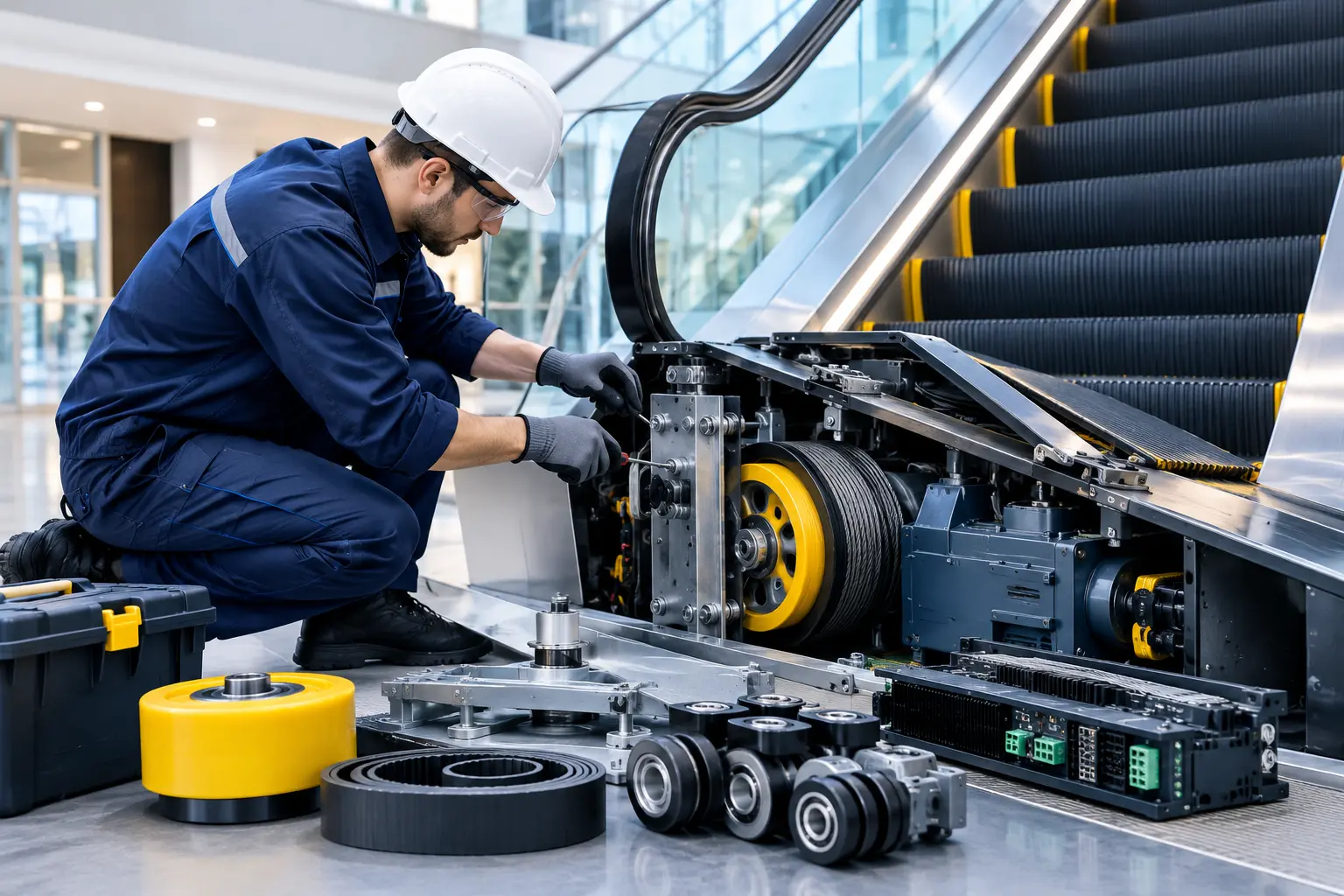
Escalator Maintenance and Repair Services in UAE combines routine inspection and servicing with corrective repairs when faults are identified. The exact work depends on the escalator’s design, age, usage, operating environment, and manufacturer’s recommendations.
Typical maintenance activities may include:
- Inspection of steps, rollers, chains, and handrails
- Checking drive and braking components
- Inspection of comb plates and skirt areas
- Cleaning and lubrication where specified
- Checking sensors, switches, and safety devices
- Examination of electrical and control systems
- Testing emergency stop and safety functions
- Identification of unusual noise, vibration, or movement
- Replacement of worn or damaged components
- Functional testing after repair
ASME’s A17.1 safety code covers the design, construction, operation, inspection, testing, maintenance, alteration, and repair of elevators and escalators, while A17.2 provides guidance for inspection and testing procedures. Applicable local requirements should also be considered for each UAE installation.
Why Is Escalator Preventive Maintenance Important?
Preventive maintenance is important because escalators contain numerous moving, electrical, and safety-related components that experience wear during regular operation. Planned inspections allow technicians to identify developing faults rather than waiting for a complete failure.
A preventive maintenance program can help with:
- Identifying component wear at an early stage
- Reducing unexpected operational interruptions
- Maintaining smoother escalator movement
- Checking safety-related components regularly
- Planning component replacement more effectively
- Supporting consistent equipment performance
- Keeping maintenance records for future reference
The required maintenance frequency should not be assumed to be the same for every escalator. Traffic levels, operating hours, equipment condition, manufacturer recommendations, and the surrounding environment should all be considered.
Common Escalator Problems That Require Repair
Some faults develop gradually, while others can cause an immediate shutdown. Recognizing early warning signs can help facility teams arrange an inspection before the problem becomes more serious.
1. Unusual Noise or Vibration
Grinding, rattling, clicking, or excessive vibration may indicate wear or misalignment in mechanical components. Technicians should identify the source rather than simply treating the noise as a normal operating characteristic.
2. Handrail Problems
A handrail that moves unevenly, slips, becomes damaged, or does not maintain proper movement may require adjustment, inspection, or replacement.
3. Step and Roller Issues
Damaged steps, worn rollers, or abnormal step movement can affect smooth operation. Continued use without proper assessment may increase component wear.
4. Comb Plate Damage
The comb area is an important part of the escalator entrance and exit. Damaged or improperly positioned comb components require prompt technical attention.
5. Unexpected Stoppages
Repeated stopping can be associated with safety circuits, sensors, electrical controls, mechanical issues, or other faults. A technician should diagnose the underlying cause rather than repeatedly resetting the system.
6. Drive or Brake Problems
Issues involving the drive system or braking components can have significant safety implications. These components should be inspected and serviced by qualified personnel according to applicable requirements.
What Does an Escalator Repair Process Involve?
A professional repair process normally begins with fault identification rather than immediate component replacement.
Step 1: Initial Inspection
Technicians examine the escalator and gather information about reported symptoms, operating conditions, and previous maintenance.
Step 2: Fault Diagnosis
Mechanical, electrical, control, and safety-related systems are checked to determine the likely cause of the problem.
Step 3: Repair Recommendation
The required repair work, component condition, and potential replacement requirements are assessed. Where appropriate, the technician can distinguish between adjustment, repair, and escalator component replacement.
Step 4: Repair and Testing
The identified work is completed, followed by functional and safety-related checks appropriate to the equipment.
Step 5: Return to Service
The escalator is returned to operation after the required checks have been completed and the equipment is considered suitable for service.
How Often Should Escalators Be Maintained?
There is no single maintenance interval that applies to every escalator. A suitable schedule depends on factors such as operating hours, passenger traffic, equipment age, manufacturer instructions, site conditions, and previous fault history.
For example, an escalator in a busy shopping mall may experience substantially more operating cycles than equipment in a lower-traffic commercial building. UAE environmental conditions, including dust and high temperatures, may also influence maintenance requirements depending on the installation and equipment enclosure.
A documented maintenance plan should therefore be based on the actual equipment and site rather than a generic schedule.
Escalator Safety Inspection: What Should Be Checked?
An escalator safety inspection should focus on safety devices as well as mechanical and electrical operating conditions. Depending on the equipment and applicable requirements, inspections may address emergency stops, sensors, braking functions, step movement, handrails, comb areas, skirt-related safety devices, electrical controls, and other protective systems.
ISO/TS 25740-1 addresses global essential safety requirements for escalators and moving walks and includes requirements intended to minimize safety risks during operation, use, and work on the equipment.
Because safety requirements can vary by jurisdiction and equipment type, inspection and maintenance should be carried out according to applicable codes, manufacturer instructions, and local requirements.
What Factors Affect Escalator Repair Cost in the UAE?
The cost of repair cannot be determined accurately without assessing the equipment and the required work. Several factors can influence the final cost:
- Type and age of the escalator
- Nature of the fault
- Condition of mechanical components
- Electrical or control system issues
- Availability of replacement parts
- Extent of component damage
- Labour and access requirements
- Emergency versus planned repair
- Whether multiple components require replacement
Minor adjustments and component servicing may require considerably less work than major mechanical or control-system repairs. For older equipment, repeated component failures may also lead building owners to evaluate escalator modernization UAE options.
How Can Businesses Choose Escalator Maintenance Services?
When evaluating Escalator Maintenance UAE providers, facility managers should look beyond the basic service price. A suitable provider should be able to explain what is included in the maintenance plan and how faults, inspections, parts, and emergency repairs are handled.
Consider:
- Experience with the specific escalator type or manufacturer
- Scope of preventive maintenance
- Availability of breakdown support
- Inspection and maintenance documentation
- Technician qualifications and safety procedures
- Availability of suitable replacement components
- Clear maintenance and repair reporting
- Understanding of applicable safety requirements
For large commercial properties, a structured maintenance agreement can help establish responsibilities, service frequency, inspection records, and response procedures.
Maintenance vs Repair: What Is the Difference?
Maintenance is planned work intended to inspect, clean, adjust, test, and service equipment before major problems occur. Repair is generally corrective work performed after a fault, failure, or damaged component has been identified.
Both are necessary. Preventive maintenance can help identify developing issues, while repair restores equipment when a fault has already occurred. Escalator repair services UAE providers may offer both planned maintenance and corrective support depending on the service agreement.
For reliable repairs and component replacement, using suitable Commercial Escalator Spare Parts can help support the safe and efficient operation of escalator systems. Selecting the right parts based on equipment specifications is important for maintenance and long-term performance.
Conclusion
Regular inspection and servicing are essential for maintaining escalator performance and addressing developing faults before they lead to larger operational problems. Escalator Maintenance and Repair Services in UAE can include preventive maintenance, safety checks, fault diagnosis, component servicing, emergency repairs, and modernization assessments depending on the equipment and site requirements.
For building owners and facility managers, the right approach is to combine a planned maintenance schedule with timely technical inspection when abnormal operation occurs. Working with an experienced service provider can also help ensure that maintenance activities, repairs, replacement components, and safety checks are properly documented and aligned with applicable requirements.
FAQs About Escalator Maintenance and Repair
1. What is included in Escalator Maintenance and Repair Services in UAE?
Escalator Maintenance and Repair Services in UAE may include inspection, cleaning, lubrication where applicable, adjustment, safety-device checks, electrical and mechanical inspections, functional testing, and identification of worn components. The exact scope depends on the equipment, manufacturer recommendations, operating conditions, and applicable safety requirements.
2. What are the most common escalator problems?
Common issues can include unusual noise or vibration, handrail movement problems, damaged or worn steps, roller wear, comb plate issues, unexpected stoppages, sensor faults, and drive or braking problems. Repeated faults should be investigated to identify the underlying cause rather than repeatedly resetting the equipment.
3. How often should an escalator be serviced?
The appropriate frequency depends on manufacturer recommendations, operating hours, passenger traffic, equipment age, condition, and site environment. High-traffic installations may require closer monitoring than lower-use equipment. A maintenance schedule should be established after considering the actual escalator and operating conditions.
4. When does an escalator need repair?
An escalator may require repair when it develops abnormal noise, vibration, repeated stoppages, handrail problems, step movement issues, safety-device faults, or other operating abnormalities. Prompt inspection can help determine whether the issue requires adjustment, component repair, or replacement.
5. Can old escalators be modernized instead of replaced?
In some cases, modernization may be considered when the existing structure and major components remain suitable but certain systems are outdated or difficult to maintain. A technical assessment is needed to determine whether modernization is practical compared with continued repair or complete replacement.
6. What affects escalator repair costs in the UAE?
Repair costs depend on the type of fault, component condition, parts required, equipment age, labour requirements, access conditions, and whether the repair is planned or urgent. A site inspection provides a more reliable basis for estimating the required work.