



Escalator drive chains are critical mechanical components that transfer power from the drive system to moving parts of an escalator. Because they operate continuously under load, Escalator Drive Chain Maintenance is important for identifying wear, lubrication issues, alignment problems, and other mechanical faults before they affect escalator operation.
A properly maintained chain can support smoother operation and help maintenance teams identify developing problems earlier. This guide explains how an escalator drive chain works, what technicians inspect, common chain problems, lubrication requirements, replacement considerations, and practical maintenance steps for commercial buildings in the UAE. Karsar Elevator & Escalator LLC provides professional support for escalator maintenance and related mechanical requirements across the UAE.
What Is an Escalator Drive Chain?
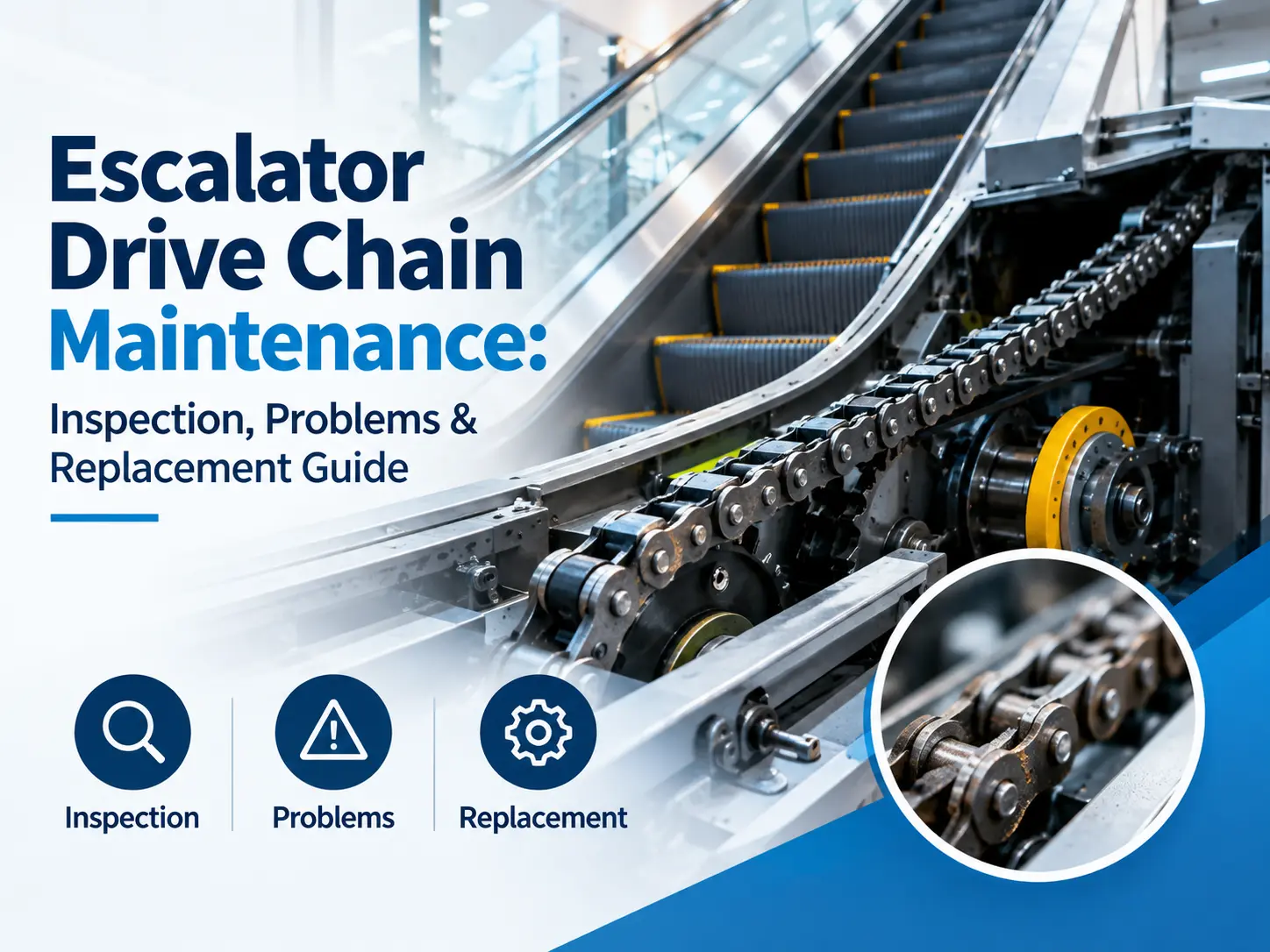
An escalator drive chain is a mechanical chain used to transmit rotational power within the escalator drive system. Depending on the escalator design, chains can be used between the main drive and other components, including the handrail drive or related mechanisms.
The chain works together with sprockets and other drive components. As the drive system rotates, the chain transfers movement through the connected components. Manufacturer documentation shows that escalator systems can use dedicated main-drive and handrail-drive chains, with specifications varying by equipment model.
Because chain specifications differ between escalator models, maintenance should follow the equipment manufacturer’s instructions rather than using a generic replacement or lubrication specification.
Why Is Escalator Drive Chain Maintenance Important?
Regular Escalator Drive Chain Maintenance helps maintenance teams monitor the mechanical condition of the chain and its associated components.
Important reasons include:
- Detecting excessive chain wear
- Identifying lubrication problems
- Checking chain alignment and tension
- Reducing the risk of unexpected mechanical faults
- Supporting smoother escalator operation
- Identifying damaged sprockets or connecting components
- Planning replacement before serious deterioration occurs
The chain should not be inspected in isolation. The drive system, sprockets, bearings, tensioning arrangements, and related components should also be considered during maintenance.
How Does an Escalator Drive Chain Work?
The drive motor produces rotational power, which is transmitted through the escalator’s drive mechanism. The chain engages with sprockets and transfers this movement to the connected mechanical components.
The exact arrangement depends on the escalator model. Some systems also incorporate separate chains for different functions. Otis documentation, for example, identifies main-drive-to-handrail-drive chains as specific escalator components.
This is why technicians should identify the exact escalator model and chain specification before carrying out adjustment, lubrication, or replacement work.
How Is Escalator Drive Chain Inspection Performed?
An escalator drive chain inspection should be performed by qualified maintenance personnel following the manufacturer’s procedures and applicable safety requirements.
1. Check the Overall Chain Condition
Technicians inspect the chain for visible signs of deterioration, damage, corrosion, contamination, or abnormal wear.
Parts such as links, pins, rollers, and connecting components should be checked according to the applicable equipment design.
2. Inspect Lubrication
Proper lubrication reduces friction between moving chain components. However, the correct lubricant and application method depend on the chain and manufacturer requirements.
Some modern escalator systems use automatic or smart lubrication systems. Manufacturer documentation also shows dedicated lubrication equipment for escalator drive chains.
3. Check Alignment and Tension
Incorrect alignment or unsuitable chain tension can contribute to uneven wear and abnormal mechanical operation.
Technicians should verify these conditions according to the manufacturer’s specified procedures rather than making adjustments based only on visual appearance.
4. Inspect Sprockets and Related Components
Chain condition can be affected by the components it engages with. Sprocket wear, misalignment, or other mechanical issues may contribute to accelerated chain deterioration.
For this reason, a complete inspection should consider the chain and its associated drive components together.
What Are Common Escalator Chain Problems?
Several escalator chain problems can develop through normal wear, inadequate maintenance, contamination, incorrect adjustment, or component deterioration.
Common issues include:
Chain Wear
Repeated operation can gradually wear chain components. Excessive wear may affect the interaction between the chain and sprockets.
Poor Lubrication
Insufficient or unsuitable lubrication can increase friction between moving components. Over-lubrication can also create maintenance issues, depending on the equipment design.
Corrosion
Moisture, contamination, and environmental exposure can contribute to corrosion. This can be particularly relevant where equipment operates in demanding environments.
Misalignment
A chain that does not run correctly with its associated sprockets can experience abnormal loading and uneven wear.
Damaged Components
Individual links, pins, rollers, connecting links, or related components may become damaged and require inspection or replacement.
What Are the Signs of Escalator Drive Chain Wear?
Some warning signs can indicate that an escalator drive chain requires closer inspection.
Look for:
- Unusual mechanical noise
- Abnormal vibration
- Irregular movement
- Visible corrosion or damage
- Excessive slack or abnormal tension
- Repeated mechanical faults
- Visible wear on chain components
- Problems involving associated drive components
These symptoms do not automatically confirm a chain fault. Noise or vibration, for example, can originate from other parts of the escalator drive system. A qualified technician should diagnose the actual cause before replacement.
Escalator Chain Lubrication: What Should You Know?
Escalator chain lubrication should always follow the manufacturer’s specifications. Different chain designs can use different lubrication methods, and some newer systems are designed around automatic lubrication or lubrication-free components.
For example, Otis describes automatic lubrication systems for escalators and also offers designs using lubrication-free step chains.
Maintenance teams should therefore avoid applying a generic lubricant simply because it is commonly used on chains.
A proper lubrication program should consider:
- Manufacturer recommendations
- Chain type and design
- Lubricant specification
- Application method
- Operating environment
- Existing automatic lubrication equipment
When Does an Escalator Drive Chain Need Replacement?
Escalator drive chain replacement may be considered when inspection identifies significant wear, damage, corrosion, or other conditions that prevent the component from meeting the manufacturer’s maintenance requirements.
Replacement decisions should be based on inspection findings rather than age alone.
Before replacing the chain, technicians should verify:
- Correct chain specification
- Compatible connecting components
- Sprocket condition
- Alignment
- Tension requirements
- Lubrication requirements
- Manufacturer’s replacement procedure
Using the correct component is essential because escalator chains can vary by model and application. Manufacturer parts documentation lists different chain specifications for different escalator models.
How to Prevent Escalator Chain Failure
Preventive maintenance is generally more effective when it combines regular inspection with timely corrective action.
A practical approach includes:
- Follow the manufacturer’s maintenance schedule
- Inspect chain condition regularly
- Monitor lubrication condition
- Check associated sprockets
- Investigate unusual noise or vibration
- Maintain appropriate alignment and tension
- Replace damaged components promptly
- Keep maintenance records
- Use compatible replacement parts
Escalator preventive maintenance should cover the complete mechanical system rather than focusing on the chain alone.
What Affects Escalator Drive Chain Maintenance Cost?
There is no single maintenance price for every escalator because requirements vary between installations.
Factors that can affect maintenance or replacement costs include:
- Escalator model and design
- Chain specification
- Extent of chain wear
- Availability of compatible parts
- Condition of sprockets and related components
- Labour requirements
- Access to the drive system
- Whether additional components require replacement
- Frequency and scope of maintenance
For commercial properties, identifying wear early can also help maintenance teams plan parts and shutdown requirements more effectively.
Escalator Drive Chain Maintenance in UAE
For buildings in the UAE, maintenance planning should consider the operating environment, usage levels, equipment condition, and manufacturer’s requirements. Shopping centres, metro facilities, hotels, airports, commercial buildings, and other high-traffic properties can place substantial operating demands on escalators.
A professional escalator maintenance UAE program should include inspection of mechanical and safety-related components, documentation of findings, and timely corrective work.
Maintenance teams should also ensure that any work is performed by suitably qualified personnel and that the equipment is safely isolated before mechanical maintenance.
Conclusion
Escalator Drive Chain Maintenance plays an important role in monitoring the condition of the mechanical drive system. Regular inspection can help identify chain wear, lubrication issues, alignment problems, corrosion, and damaged components before they lead to more significant operational concerns.
The most effective approach is to follow the escalator manufacturer’s maintenance requirements, use compatible parts and lubricants, and have inspections performed by qualified technicians. For commercial and high-traffic installations, consistent preventive maintenance can also help maintenance teams plan repairs and replacement work more effectively.
For professional escalator inspection, maintenance, repair, or spare-parts support in the UAE, Karsar Elevator can assess the equipment condition and recommend the appropriate maintenance approach.
Frequently Asked Questions
1. How often should an escalator drive chain be inspected?
Inspection frequency depends on the escalator model, operating conditions, manufacturer requirements, and maintenance program. High-traffic equipment may require closer monitoring. The manufacturer’s maintenance documentation should be the primary reference for inspection intervals.
2. What causes escalator drive chain wear?
Common contributing factors can include normal operating cycles, inadequate or incorrect lubrication, misalignment, unsuitable tension, contaminated components, and worn sprockets. A technician should determine the actual cause before replacing the chain.
3. Can a worn escalator drive chain be repaired?
Some individual components or connections may be serviceable depending on the chain design, but significant wear or damage may require chain replacement. The correct approach depends on the manufacturer’s specifications and inspection findings.
4. What lubricant is used for an escalator drive chain?
The correct lubricant depends on the chain design and manufacturer. Maintenance teams should use the specified lubricant and application method rather than selecting a general-purpose chain oil without checking the equipment documentation.
5. What are the signs of escalator chain failure?
Potential warning signs include unusual noise, vibration, abnormal movement, visible damage, corrosion, excessive wear, or repeated mechanical faults. These symptoms can have other causes, so professional inspection is required before identifying the chain as the source.
6. Should the sprocket be replaced with the drive chain?
Not necessarily. The sprocket should be inspected when the chain is serviced or replaced. If it shows excessive wear or damage, replacement may be required to ensure proper interaction with the new chain.
7. Can poor maintenance affect escalator performance?
Yes. Problems with lubrication, alignment, tension, or worn mechanical components can contribute to abnormal operation and additional component wear. Regular maintenance helps identify these conditions before they develop into larger mechanical problems.