


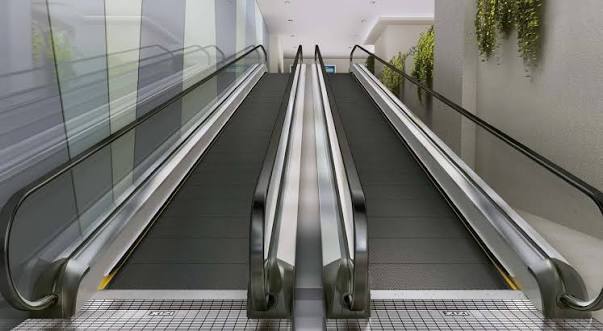
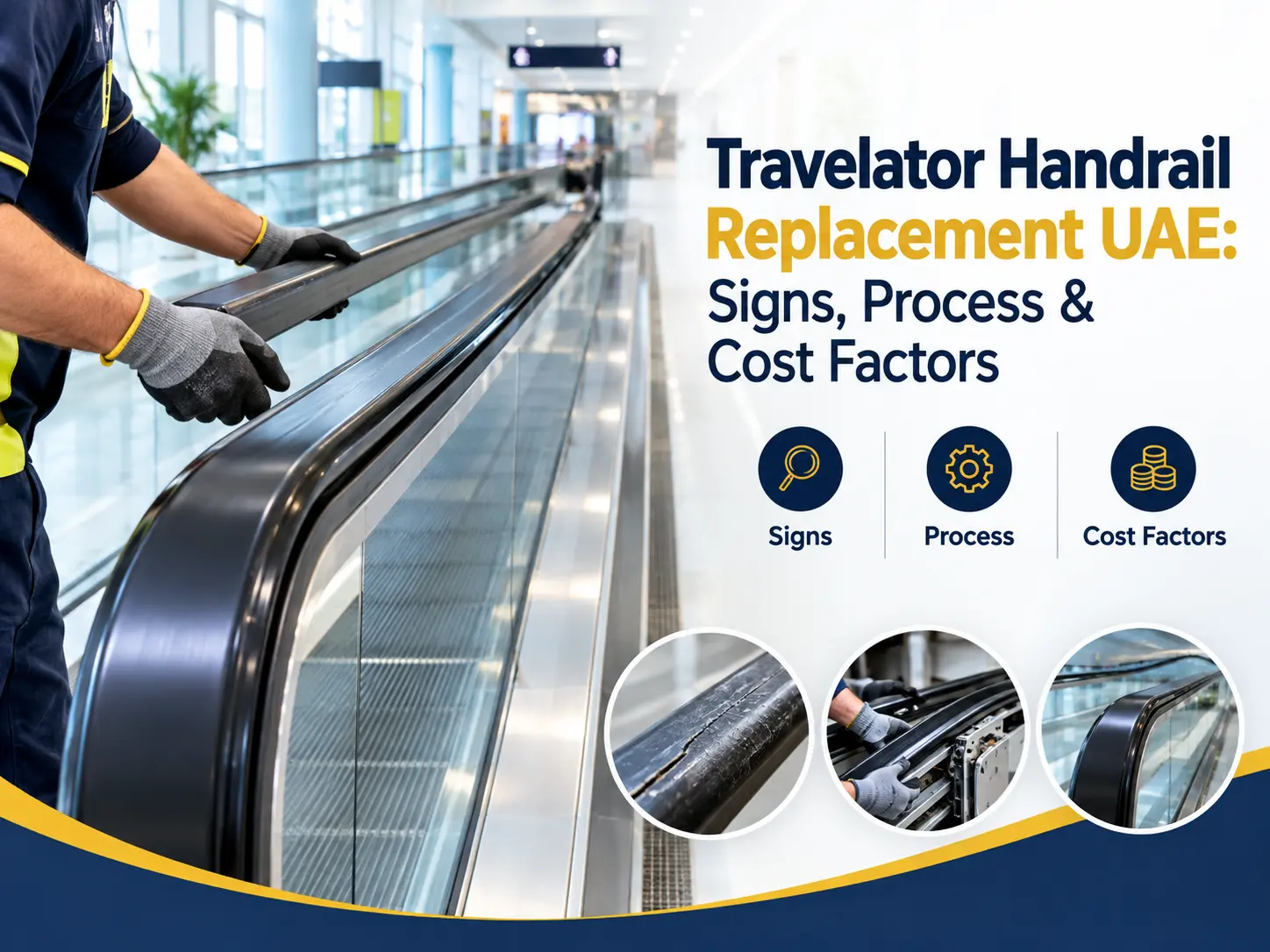

A travelator handrail provides passengers with a moving surface to hold while using a moving walkway. When the handrail becomes cracked, worn, damaged, loose, or fails to move correctly with the walkway, inspection and replacement may be required. Travelator Handrail Replacement UAE should be based on the handrail’s condition, equipment design, manufacturer requirements, and compatibility with the existing system.
For commercial buildings, airports, shopping malls, hotels, and other high-traffic facilities, a properly functioning handrail is an important part of the passenger experience and equipment operation. Professional Travelator service in UAE can help address handrail wear, maintenance, and replacement requirements. This guide explains common wear signs, replacement considerations, the replacement process, cost factors, and how to select a compatible handrail.
What Is a Travelator Handrail?
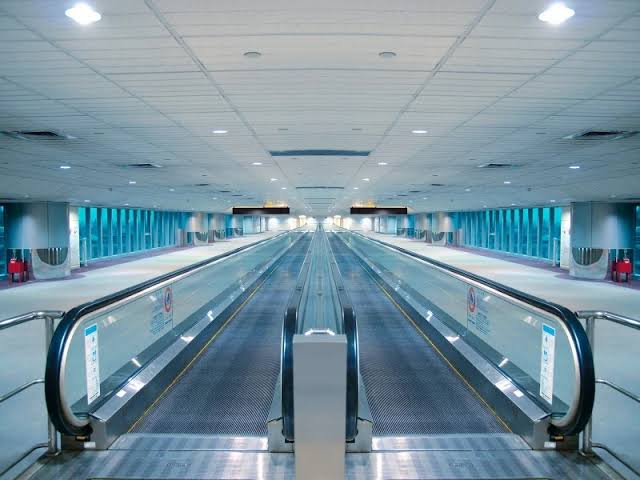
A travelator handrail is the continuously moving belt-like handhold installed alongside a moving walkway. It allows passengers to maintain a steady grip while travelling on the walkway.
The handrail operates through a dedicated drive arrangement that keeps its movement synchronized with the moving walkway. Depending on the equipment design, the handrail system may use different drive configurations and components. Modern moving-walk designs can use systems intended to reduce friction and vibration, which can influence handrail performance and service life.
The exact handrail profile, dimensions, material, and drive arrangement vary by manufacturer and model. Therefore, replacement should not be based only on appearance or approximate measurements.
Why Is Travelator Handrail Replacement Important?
Travelator Handrail Replacement UAE becomes necessary when the existing handrail can no longer provide reliable operation or has significant physical deterioration.
A damaged handrail can affect passenger confidence and may indicate underlying problems with the handrail drive or associated components. Manufacturer documentation also treats handrails as an integral part of escalator and moving-walk systems, with dedicated handrail options and drive arrangements.
Replacement can help:
- Restore proper handrail movement
- Address visible surface deterioration
- Reduce problems caused by damaged handrail material
- Improve passenger grip and usability
- Support reliable moving-walk operation
- Prevent a minor component issue from developing into a larger repair requirement
However, replacement is not always the first step. The cause of the problem should be diagnosed before a new handrail is ordered.
What Are the Signs of Travelator Handrail Wear?
Several visible and operational symptoms can indicate that a handrail requires closer inspection.
1. Cracks and Surface Damage
Cracks, cuts, splits, or significant surface deterioration can indicate that the handrail material has degraded.
Small cosmetic marks do not necessarily mean immediate replacement is required, but deeper damage should be assessed by a qualified technician.
2. Excessive Wear
Continuous passenger use and repeated movement can gradually affect the handrail surface. High-traffic installations may require closer condition monitoring.
3. Abnormal Movement
The handrail should move consistently with the travelator system. Slipping, hesitation, uneven movement, or noticeable differences in movement can indicate a problem with the handrail or its drive arrangement.
4. Unusual Noise
Noise from the handrail area can have several causes, including friction, alignment issues, drive components, or other mechanical conditions. A technician should identify the source before deciding on replacement.
5. Loose or Improperly Positioned Handrail
A handrail that does not maintain its correct position can require inspection of the handrail, guides, drive components, or tensioning arrangement.
These symptoms are not proof that the handrail itself has failed. Proper diagnosis is necessary because related components can produce similar symptoms.
What Causes Travelator Handrail Problems?
Travelator handrail problems can result from normal wear, operating conditions, mechanical issues, or incorrect component selection.
Common contributing factors include:
- Continuous operating cycles
- Heavy passenger traffic
- Friction within the handrail drive
- Misalignment
- Worn drive components
- Incorrect tension
- Environmental exposure
- Damaged or deteriorated handrail material
- Incorrect replacement components
A moving walkway’s handrail system is connected to other mechanical components, so diagnosing only the visible handrail may overlook the underlying cause.
For example, replacing a handrail without checking an underlying drive or alignment problem could allow the same issue to affect the replacement component.
When Should a Travelator Handrail Be Replaced?
Travelator Handrail Replacement UAE should generally be considered when inspection confirms significant physical deterioration, persistent operational problems, or damage that cannot be appropriately addressed through adjustment or repair. As part of Travelator Maintenance UAE, regular inspection can help identify handrail issues before they affect safe and reliable operation.
Replacement may be appropriate when the handrail has:
- Significant cracks or splitting
- Severe surface deterioration
- Persistent slipping
- Abnormal deformation
- Damage affecting passenger grip
- Excessive wear
- Repeated operational problems after corrective adjustment
The decision should be based on the manufacturer’s requirements and inspection findings rather than simply replacing a handrail because it has been installed for a certain number of years.
How Does Travelator Handrail Replacement Work?
The exact procedure varies according to the moving-walk design, but a professional replacement normally involves several stages.
Step 1: Inspect the Existing System
The technician identifies the handrail condition and checks related components such as guides, drive arrangements, tensioning elements, and entry areas.
Step 2: Confirm the Correct Specification
Before ordering a replacement, technicians should verify the equipment manufacturer, model, handrail profile, dimensions, length, connection requirements, and other relevant specifications.
Step 3: Remove the Existing Handrail
The travelator is safely taken out of service and isolated according to the applicable maintenance procedure. The existing handrail is then removed using equipment-specific methods.
Step 4: Inspect Related Components
The handrail drive and associated components should be checked before installing the replacement. If another component is causing abnormal wear, that issue should also be addressed.
Step 5: Install and Align the New Handrail
The replacement handrail is installed according to the equipment manufacturer’s procedure. Correct positioning and alignment are important for reliable movement.
Step 6: Test the System
After installation, the system should be tested to confirm appropriate handrail movement and overall operation before the travelator is returned to normal passenger service.
Professional moving-walk service providers commonly treat repair, maintenance, and inspection as connected activities because equipment condition and traffic patterns can affect service requirements. Elevator installation services can also support projects where vertical transportation systems need to be planned and installed alongside moving-walk solutions.
What Factors Affect Travelator Handrail Replacement Cost?
There is no single replacement price for every travelator. The total cost depends on the equipment and the work required.
Important factors include:
- Travelator manufacturer and model
- Handrail length and profile
- Handrail material and specification
- Availability of compatible parts
- Condition of the handrail drive
- Required installation work
- Access to the handrail system
- Additional damaged components
- Labour and testing requirements
- Whether the work is part of a larger refurbishment
For this reason, a reliable quotation should be prepared after confirming the equipment details and replacement requirements rather than using a generic handrail price.
How to Choose the Right Replacement Handrail
Choosing the correct component is one of the most important parts of the replacement process.
Before purchasing a replacement, confirm:
- Manufacturer and model – Identify the exact travelator.
- Handrail profile – The profile must match the existing system.
- Dimensions – Confirm required length and other measurements.
- Drive compatibility – The handrail must work correctly with the existing drive system.
- Material and construction – Verify the specification required for the application.
- Installation requirements – Check whether additional components or specialist installation are required.
Using a visually similar handrail does not guarantee compatibility. Moving-walk manufacturers offer different handrail designs and configurations, so technical verification is important.
Travelator Handrail Repair vs Replacement
Not every handrail problem requires complete replacement.
Travelator handrail repair may be considered when the issue originates from an adjustable or replaceable related component and the handrail itself remains in acceptable condition.
Replacement is more appropriate when the handrail material has significant physical deterioration or when the component no longer meets the required operating condition.
A technician should therefore inspect the complete handrail system before recommending either option.
Travelator Handrail Replacement UAE for Commercial Buildings
Commercial travelators often operate in environments with frequent passenger use. Airports, shopping centres, exhibition facilities, hotels, and transportation facilities can have different traffic patterns and operating requirements. An Elevator Company in Dubai can provide professional guidance on related vertical transportation systems and maintenance requirements based on the facility’s needs.
For these installations, Travelator Handrail Replacement UAE should be planned around equipment condition, passenger usage, component availability, and the manufacturer’s requirements.
Moving walkways are used in busy public environments, including airports, exhibition halls, subway systems, and shopping complexes, making reliable passenger movement an important part of their application.
A planned replacement can also help building operators coordinate equipment shutdowns, replacement-part availability, testing, and return to service.
Conclusion
A travelator handrail is more than a passenger handhold; it is part of the moving walkway’s operating system and works with dedicated drive and guiding components. Travelator Handrail Replacement UAE should therefore be approached as a technical replacement project rather than simply changing a worn belt. An Elevator modernization company can also provide technical expertise for upgrading related transportation systems and improving their long-term performance.
Visible cracks, severe wear, abnormal movement, slipping, and persistent damage are reasons to arrange an inspection. Before replacement, technicians should confirm the equipment model, handrail specification, drive compatibility, and condition of related components. For commercial buildings in the UAE, proper assessment and compatible replacement parts can help support reliable moving-walk operation. During Travelator Installation UAE, selecting compatible handrail and drive components can also help reduce future operational issues.
For travelator handrail inspection, replacement, or related component requirements, Karsar Elevator & Escalator LLC can assess the equipment details and recommend the appropriate next step. Explore more about travelator handrail inspection, replacement, and related services.
Frequently Asked Questions
1. How do I know if my travelator handrail needs replacement?
Look for significant cracks, splitting, surface deterioration, abnormal movement, slipping, deformation, or damage affecting the passenger grip. However, these signs do not always mean the handrail itself is defective. A qualified technician should inspect the handrail and its drive system to determine whether repair, adjustment, or replacement is appropriate.
2. How long does a travelator handrail replacement take?
The time required depends on the travelator design, handrail length, access conditions, equipment condition, and whether related components also require work. The technician must first inspect the system and confirm the correct replacement component. A reliable time estimate can then be provided based on the actual installation requirements.
3. Can any moving walkway handrail be used as a replacement?
No. A replacement must be compatible with the specific moving walkway. Profile, dimensions, material, drive arrangement, and equipment configuration can vary between manufacturers and models. Technical information should be verified before ordering the component to avoid compatibility or installation problems.
4. What is the difference between repairing and replacing a travelator handrail?
Repair may be suitable when the handrail itself remains in usable condition and the problem is caused by an adjustable or related component. Replacement is generally considered when the handrail has substantial physical deterioration, damage, or wear that cannot be appropriately corrected.
5. What information is needed to order a replacement handrail?
Useful information includes the travelator manufacturer, model, equipment identification details, existing handrail profile, dimensions, photographs, and any available part information. Providing accurate equipment details allows the supplier or technician to verify compatibility before sourcing the replacement.
6. Does the handrail drive need inspection during replacement?
Yes. The handrail drive and related components should be checked when replacing a handrail. If an underlying alignment, friction, tension, or drive issue caused abnormal wear, replacing only the handrail may not address the original problem.
7. Can Karsar provide travelator handrail replacement in the UAE?
Karsar Elevator & Escalator LLC can support travelator-related service and component requirements in the UAE. For a replacement assessment, providing the travelator model, existing handrail details, photographs, and equipment information can help determine the appropriate replacement requirements.